





Introduction
Over the past two decades, Esports has transformed from an underground pastime into one of the fastest-growing industries in the world. What was once viewed as a hobby for a small group of dedicated gamers has become a billion-dollar global entertainment sector with professional players, massive tournaments, and dedicated audiences rivaling those of traditional sports. Esports has not only changed how people play games but also how society perceives competition, technology, and digital culture.
This blog explores the journey of Esports — from its humble origins to its explosive rise — and analyzes its cultural, social, and economic impact.
The Birth of Esports: Humble Beginnings
The story of Esports begins in the early 1970s when competitive gaming was first introduced at universities and arcades. One of the earliest recorded competitions took place in 1972 at Stanford University, where students competed in the game Spacewar! for a prize of a year’s subscription to Rolling Stone magazine.
During the 1980s, the arcade boom gave rise to a new era of competition. Titles like Pac-Man, Donkey Kong, and Space Invaders became battlegrounds for top players, each striving to set high scores that would earn them a spot in magazines and leaderboards. This era marked the beginning of gaming as a public spectacle — though limited by technology and reach.
It was in the 1990s, with the growth of home consoles and personal computers, that competitive gaming truly began to evolve. LAN parties — where players connected their computers in local networks — created the first communities dedicated to multiplayer gaming. Games like Quake, StarCraft, and Counter-Strike laid the foundation for organized competition.
The Early 2000s: The Foundation of Professional Esports
The early 2000s marked a turning point for competitive gaming. Broadband internet became more accessible, allowing players across the globe to connect and compete in real time. Online multiplayer games exploded in popularity, and the first organized Esports leagues began to form.
Organizations like the Cyberathlete Professional League (CPL), Major League Gaming (MLG), and the World Cyber Games (WCG) became the cornerstones of early Esports. They introduced structured tournaments, cash prizes, and a professional environment that mirrored traditional sports.
Games such as Counter-Strike 1.6, Warcraft III, Unreal Tournament, and Halo 2 defined the era. Players began to gain recognition not only within their communities but also on mainstream media platforms. It was during this period that gaming began to be seen not just as entertainment but as a legitimate career path for the most skilled and dedicated.
The 2010s: The Explosion of Esports Culture
The 2010s were the golden age of Esports expansion. Streaming platforms like Twitch, YouTube Gaming, and later Facebook Gaming revolutionized how audiences consumed competitive matches. Viewers could now watch their favorite players and teams live, interact in chat rooms, and even learn strategies directly from professionals.
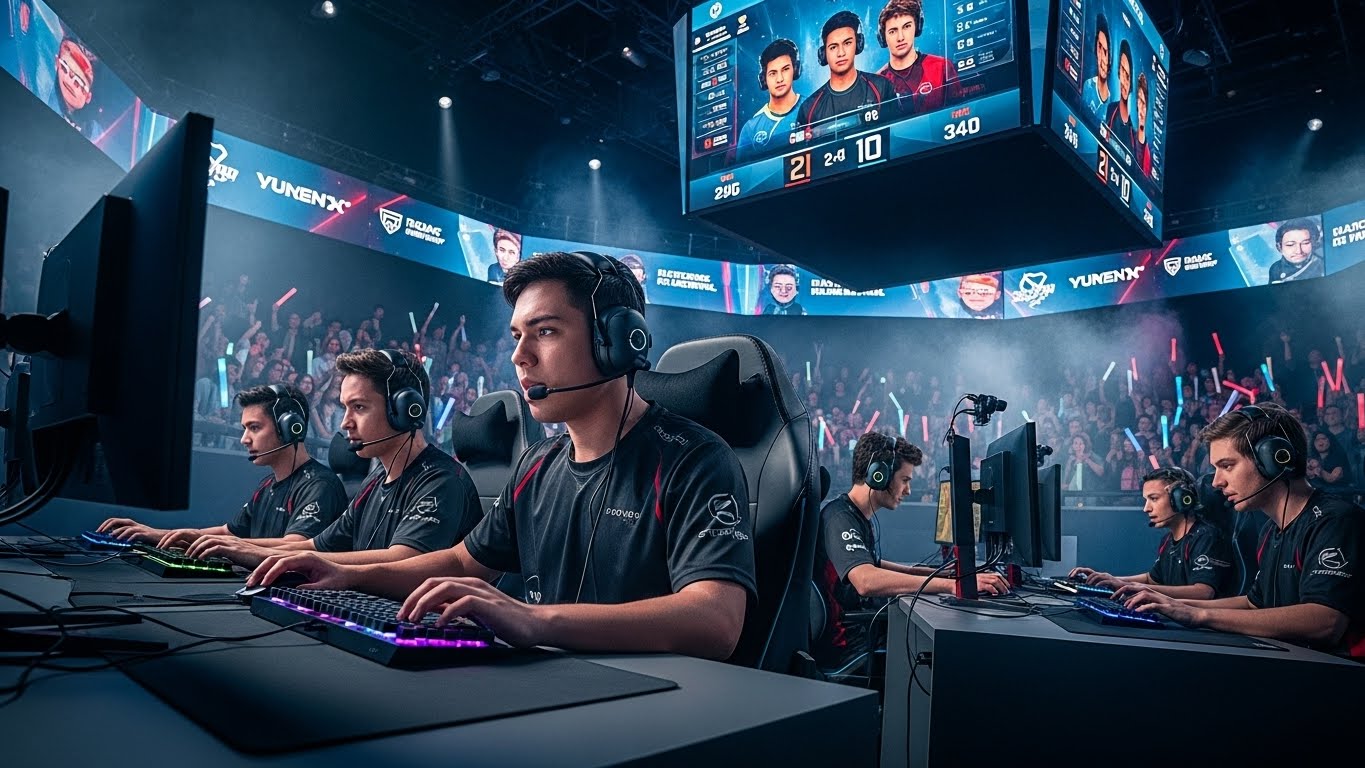
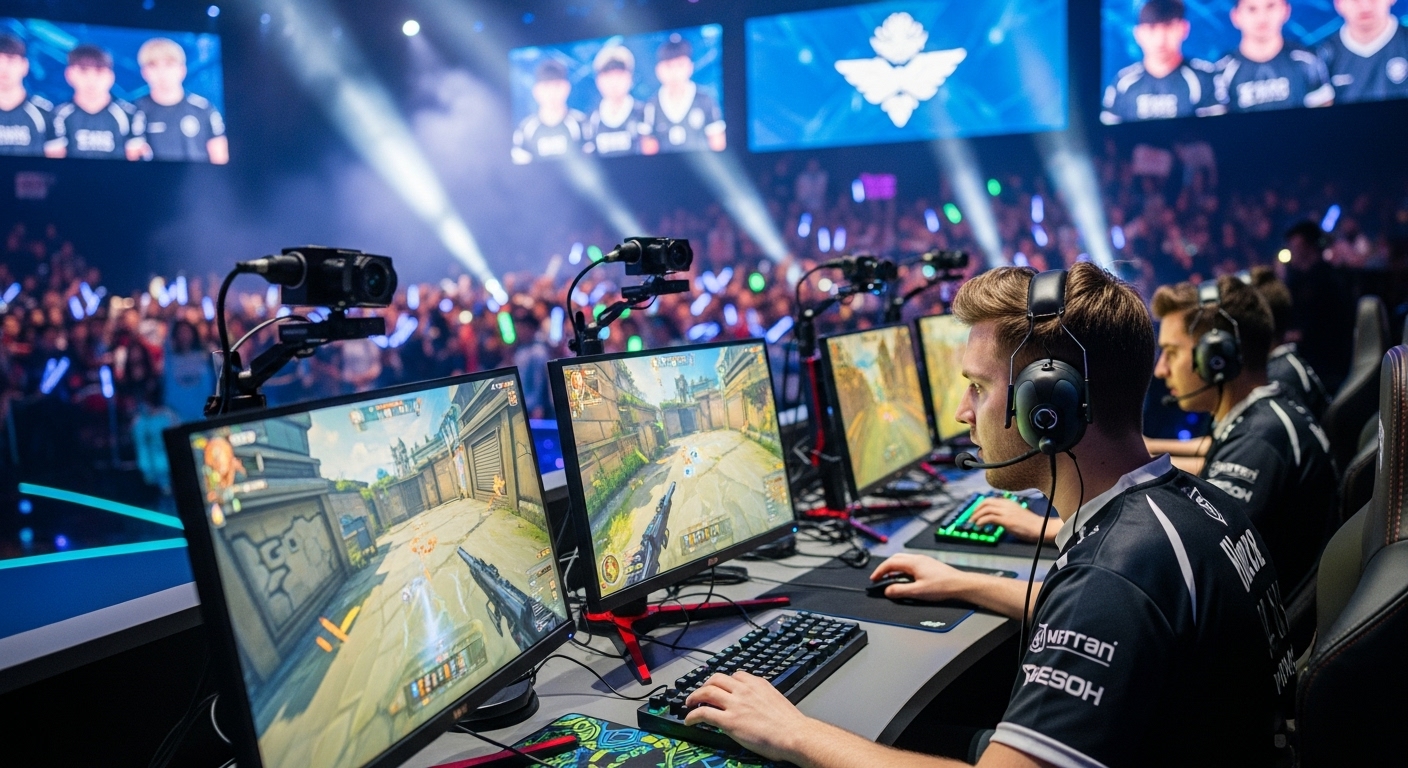
Esports was no longer confined to internet cafés or local tournaments. Stadiums and arenas were filled with cheering fans. Games like League of Legends, Dota 2, and Counter-Strike: Global Offensive became household names, each hosting international tournaments with multimillion-dollar prize pools.
The League of Legends World Championship, for example, began attracting millions of live viewers, rivaling traditional sporting events like the Super Bowl in audience numbers. Meanwhile, Dota 2’s The International broke records each year, with prize pools exceeding $40 million — a testament to community support and corporate sponsorship.
The Rise of Streaming and Content Creation
Streaming changed everything for Esports. Platforms gave rise to a new kind of celebrity — the gaming influencer. Players no longer relied solely on tournament winnings to make a living; they could now earn income from subscriptions, donations, sponsorships, and advertisements.
This development blurred the line between professional Esports players and entertainers. Many players became content creators, building personal brands that reached beyond the competitive scene. The relationship between the player and the audience became more personal and direct, fostering a deeper sense of community.
Streaming also democratized Esports by allowing anyone with skill, charisma, and internet access to showcase their talent. Aspiring players could build their reputations online before joining official teams. This openness helped fuel the industry’s growth and diversity.
Global Expansion and Cultural Integration
Esports grew into a global movement that transcended cultural and linguistic barriers. Asia, particularly South Korea, played a monumental role in shaping the modern Esports ecosystem. South Korea’s investment in high-speed internet infrastructure, combined with the popularity of StarCraft, turned the country into the world’s Esports capital. Professional players were treated like national celebrities, and matches were broadcast on television.
China soon followed, with massive government support and corporate investment helping to establish Esports as a national pastime. Western countries, initially slower to embrace gaming as a profession, quickly caught up as global tournaments showcased the industry’s legitimacy.
Today, Esports is recognized as a legitimate sporting activity in many countries, complete with player visas, training facilities, and professional contracts. Universities offer Esports scholarships, and cities host global championships that attract tourism and international recognition.
The Economics of Esports
The financial side of Esports is as fascinating as the gameplay itself. What started with modest prizes and fan-run tournaments has evolved into a multibillion-dollar industry supported by sponsorships, advertising, media rights, and merchandising.
Sponsorships from major brands — including those outside the gaming sector — became a major source of revenue. Companies ranging from energy drinks to car manufacturers and even financial institutions recognized the potential of reaching young, tech-savvy audiences through Esports.
Franchised leagues, such as the Overwatch League and Call of Duty League, adopted business models similar to traditional sports. Teams were granted city-based franchises, and revenue sharing became standard practice. This professional structure ensured financial stability and long-term growth for players and organizations alike.
Esports also generated a massive secondary economy. Hardware companies thrived as gamers invested in high-performance PCs, monitors, and peripherals. Streaming services and content creators benefited from the constant demand for gaming-related media. The ecosystem became self-sustaining, with each component feeding into the next.
The Role of Technology in Esports Growth
The growth of Esports is inseparable from technological advancement. Every leap in gaming hardware, software, and connectivity has expanded the possibilities of competitive play.
Modern graphics cards, powerful processors, and optimized network infrastructure have allowed for seamless online experiences and cinematic-level visuals. Game developers now design titles with competitive balance in mind, ensuring fair gameplay and spectator-friendly mechanics.
Virtual reality and augmented reality are beginning to shape the future of Esports, introducing immersive experiences where physical and digital competition merge. Cloud gaming is also reducing barriers to entry, allowing players without expensive hardware to compete at a high level.
Artificial intelligence and data analytics are enhancing training methods. Teams use performance tracking and predictive models to refine strategies, similar to how traditional sports teams analyze statistics to improve play.
Esports and Education
The intersection between Esports and education is one of the most exciting developments of the past decade. Universities and colleges around the world now offer Esports programs, combining academic studies with competitive gaming.
Students can major in Esports management, marketing, game design, or broadcasting. This academic recognition has legitimized the industry further and created pathways for careers beyond playing professionally — such as coaching, production, and event management.
High schools have also begun integrating Esports into extracurricular activities. Programs encourage teamwork, discipline, and strategic thinking while promoting inclusivity and digital literacy.
The Social Impact of Esports
Esports has had a profound influence on society. It has connected millions of people across the world, fostering communities built around shared passion and competition. For many, Esports has been a source of belonging and identity.
Unlike traditional sports, Esports breaks down physical barriers. Players from different backgrounds, genders, and abilities can compete on equal footing. This accessibility has made Esports a platform for inclusivity and diversity.
Esports has also challenged stereotypes about gaming. Where once it was considered an isolating hobby, today it is recognized as a collaborative, skill-based pursuit requiring discipline, reflexes, and teamwork. The rise of professional female gamers and international teams has helped reshape societal views about who belongs in gaming spaces.
Esports and Mental Health
While Esports offers countless opportunities, it also presents unique mental and physical challenges. Professional gamers often face high-pressure environments, long hours of practice, and intense public scrutiny.
Burnout, anxiety, and repetitive strain injuries are common concerns. As the industry matures, organizations are beginning to address these issues through better player management, mental health support, and balanced training schedules.
Teams now employ sports psychologists, nutritionists, and physical therapists to ensure that players maintain both mental and physical well-being. The focus has shifted from short-term performance to long-term sustainability, mirroring the evolution seen in traditional athletics.
The Role of Women in Esports
For many years, Esports was seen as a male-dominated field, but that perception is rapidly changing. Female gamers and commentators have been breaking barriers, proving that skill and dedication know no gender.
Organizations and tournaments dedicated to promoting women in Esports — such as all-female leagues and mentorship programs — are helping level the playing field. Influencers and role models are inspiring a new generation of female players to pursue careers in gaming.
The inclusion of women has also expanded audience demographics, bringing new perspectives and diversity to the community. The industry’s future depends on maintaining this inclusivity and ensuring equal opportunities for everyone.
The COVID-19 Pandemic and Its Impact on Esports
The COVID-19 pandemic was a defining moment for Esports. While traditional sports leagues around the world were forced to pause, Esports thrived. Online tournaments continued virtually, and viewership skyrocketed as people turned to digital entertainment during lockdowns.
This period demonstrated the resilience of Esports and its adaptability to a changing world. It also accelerated the development of remote production technologies and cloud-based tournaments.
Brands and advertisers, noticing the consistent engagement levels, increased their investment in Esports. What began as a temporary solution became a long-term opportunity for growth and innovation.
Esports as a Career
Esports offers a variety of career paths beyond professional play. The industry requires coaches, analysts, broadcasters, event organizers, marketers, and content producers. The ecosystem surrounding Esports is vast and constantly evolving.
Many former professional players transition into commentary or team management roles, bringing their experience to the next generation. Aspiring professionals can find opportunities in journalism, community management, or technology development within the Esports sphere.
This professionalization ensures that the industry can sustain itself for decades to come.
Challenges Facing Esports
Despite its success, Esports faces challenges that must be addressed for sustainable growth. Issues like match-fixing, performance-enhancing software, and player exploitation have surfaced in recent years.
There are also ongoing debates about regulation. Unlike traditional sports governed by centralized bodies, Esports is fragmented across publishers and leagues. This lack of universal governance can lead to inconsistencies in rules, prize distribution, and player treatment.
Additionally, the fast-paced nature of gaming means that popular titles can fade quickly, forcing organizations to constantly adapt. Balancing the commercial side of Esports with its community roots remains an ongoing struggle.
The Future of Esports
The future of Esports is incredibly promising. As technology advances, so too will the ways players and audiences experience competition. Virtual reality tournaments, AI-driven training programs, and enhanced broadcasting techniques will make Esports even more immersive.
Cross-platform integration will bring together communities that were once divided by hardware, and mobile Esports — already huge in Asia — will continue to grow globally.
Esports may even become an official part of the Olympic Games in the near future, a move that would further cement its legitimacy and global appeal. With governments, educators, and investors embracing the industry, its trajectory shows no sign of slowing down.
Conclusion
From arcade high scores to packed arenas and international broadcasts, Esports has evolved into a global cultural and economic powerhouse. It has united people across continents, challenged perceptions, and created a thriving ecosystem built on passion, skill, and innovation.
Esports is not just about playing video games — it represents the convergence of technology, creativity, and human competition. Its journey from niche to mainstream reflects how digital culture is redefining what it means to be an athlete, a fan, and a global community.
As we look ahead, one thing is certain: Esports is here to stay, and its story is only just beginning.