





Introduction: Esports as a Modern Phenomenon
The world of competition has evolved dramatically over the past few decades. Where traditional sports once dominated the global stage, a new form of competition has emerged, combining technology, entertainment, and skill into a rapidly expanding industry: esports. What began as casual video gaming among friends has transformed into a professional arena, attracting millions of viewers, lucrative sponsorship deals, and even academic recognition. Esports is no longer a niche hobby; it has become a cultural and economic powerhouse, redefining how the world perceives sports and competition.
Understanding Esports Beyond Casual Gaming
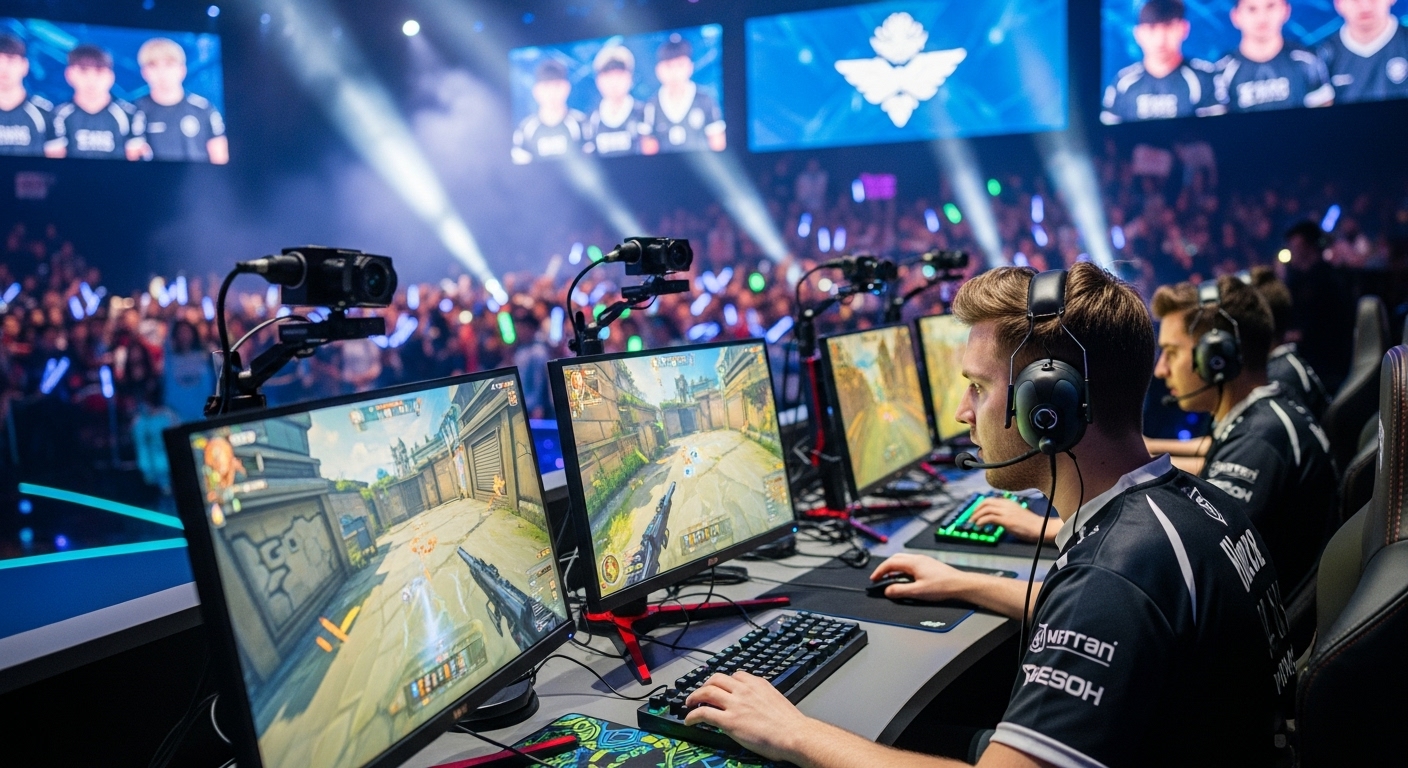
Esports, or electronic sports, refers to organized competitive video gaming where professional players and teams compete in tournaments across multiple genres. Unlike casual gaming, esports demands rigorous training, strategic thinking, and precise execution. Competitors study opponents, refine gameplay mechanics, and develop teamwork and communication skills, making esports a legitimate form of professional competition. This structured approach distinguishes esports from ordinary gaming and positions it alongside traditional athletic sports in terms of skill and discipline.
Historical Evolution of Esports
The roots of esports can be traced back to arcade competitions and early multiplayer games in the 1980s and 1990s. Simple tournaments evolved into online competitions with the advent of high-speed internet. Games like StarCraft, Counter-Strike, and Warcraft gained professional followings, setting the stage for modern esports leagues. As technology advanced, so did the industry, transitioning from local competitions to global tournaments with massive prize pools and international recognition. Today, esports is a multi-billion-dollar industry with structured leagues, professional teams, and a devoted global audience.
Popular Genres in Esports
Esports encompasses a wide variety of game genres, each requiring unique skills and attracting diverse audiences. Multiplayer online battle arena games emphasize strategy, coordination, and teamwork. First-person shooters test reflexes, precision, and spatial awareness. Real-time strategy games reward planning, multitasking, and adaptability. Sports simulations mirror real-world sports, appealing to traditional sports fans. The diversity of game types allows esports to engage a wide demographic, from casual viewers to hardcore gamers, contributing to its rapid growth.
The Life of a Professional Esports Player
Professional esports players are more than just skilled gamers; they are disciplined athletes. Daily routines often involve hours of practice, strategy meetings, physical conditioning, and mental preparation. Hand-eye coordination, reaction time, decision-making under pressure, and teamwork are critical for success. Many teams employ coaches, nutritionists, and psychologists to ensure players maintain peak performance. The commitment required demonstrates that esports is not just entertainment—it is a demanding career that requires focus, resilience, and dedication.
Esports Organizations and Team Dynamics
Behind every successful player is an organization that provides structure, branding, sponsorship, and management. Esports organizations operate similarly to traditional sports franchises, focusing on talent development, marketing, and long-term sustainability. Teams often have specialized roles including analysts, coaches, and content creators. The organization creates an ecosystem that supports player growth while engaging fans, managing competitions, and promoting the team brand. This professional infrastructure is essential for the credibility and longevity of the esports industry.
The Role of Streaming in Esports
Streaming platforms have been pivotal in esports’ growth. They allow fans to watch live competitions, interact with players, and become part of a digital community. Unlike traditional sports broadcasts, streaming platforms offer real-time interaction, enabling viewers to engage directly with players and other fans. This connectivity fosters a sense of participation and loyalty among audiences, making esports more than just a spectator activity. The accessibility of digital platforms ensures esports can reach millions globally, regardless of geographical location.
Esports as a Cultural Movement
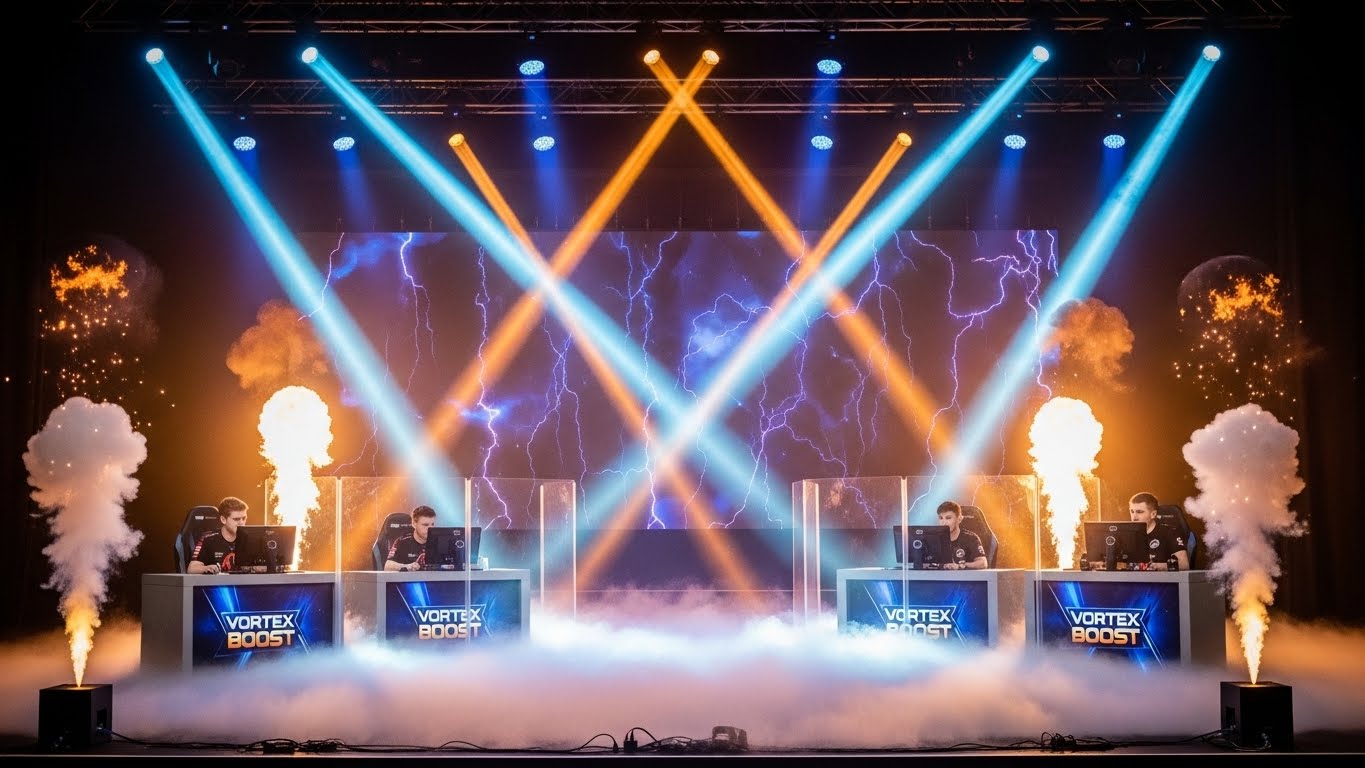
Esports is not only about competition; it has become a cultural phenomenon. Events are immersive experiences that combine high-level gameplay with entertainment, production value, and storytelling. Fans participate through cosplay, fan art, and online communities, creating a vibrant subculture around their favorite games and players. Major tournaments are festival-like events, bringing together fans from around the world and celebrating a shared passion. This cultural dimension strengthens the community and solidifies esports as an integral part of modern entertainment.
Economic Impact and Career Opportunities
The economic impact of esports extends beyond player salaries. Revenue streams include sponsorships, advertising, merchandise, media rights, and ticket sales. The industry also creates jobs for coaches, analysts, broadcasters, event managers, and game developers. Educational institutions have begun offering programs related to esports management, production, and marketing, recognizing it as a legitimate career path. This growth highlights esports’ role in the modern digital economy, where technology, entertainment, and sports intersect.
Educational and Personal Development Through Esports
Esports programs in schools and universities offer more than competitive opportunities; they teach valuable life skills. Teamwork, strategic thinking, problem-solving, leadership, and adaptability are all cultivated through competitive gaming. Academic institutions are increasingly recognizing esports for its ability to engage students and provide practical skills relevant in technology-driven careers. When balanced with academics and health, esports can be a powerful tool for personal and professional development.
Challenges Facing Esports
Despite its rapid growth, esports faces significant challenges. Player burnout is a serious concern due to long hours of practice and intense competition. Issues like lack of standardized rules, inclusivity, and ethical management also persist. Rapid technological change can make certain games obsolete, requiring adaptability from teams and organizations. Addressing these challenges is essential for ensuring long-term sustainability and player well-being in the competitive esports environment.
Esports and Traditional Sports Collaboration
Esports and traditional sports are increasingly intersecting. Many sports teams have created esports divisions, and professional athletes participate in digital competitions. Both share core elements of competition, entertainment, and fan engagement. This collaboration introduces traditional sports fans to esports while providing digital natives an entry point into established sports culture. The integration of esports into mainstream sports demonstrates its legitimacy and growing influence.
The Global Reach of Esports
One of esports’ most compelling aspects is its global connectivity. Competitors and fans from different continents come together in international tournaments, promoting cross-cultural interaction and understanding. Global events highlight talent from diverse backgrounds and foster a sense of unity among communities. The worldwide appeal of esports emphasizes its power as a universal language, bridging cultural and geographic divides through shared gaming experiences.
The Future of Esports
Looking ahead, esports is expected to continue its rapid evolution. Emerging technologies such as virtual reality, augmented reality, and artificial intelligence will likely reshape gameplay and viewing experiences. Enhanced production quality, interactive platforms, and global audience engagement will drive the next phase of growth. As esports matures, there will be increased focus on sustainability, player health, and regulatory frameworks to ensure the industry’s long-term stability.
Conclusion: Redefining Sports for a Digital Era
Esports has redefined the meaning of sports and competition in the digital era. Combining skill, strategy, technology, and entertainment, it offers a unique platform for competition and cultural expression. From its humble beginnings as casual gaming to its current status as a global industry, esports demonstrates the transformative power of technology and passion. As the industry continues to grow, it will not only entertain millions but also shape the future of competitive sports, career opportunities, and digital culture.