




Introduction: Competition in the Digital Era
Competition has always been a fundamental part of human nature. From ancient athletic contests to modern professional sports, people have consistently sought challenges that test skill, strategy, and determination. In the twenty-first century, this competitive instinct has taken a new form through esports. What began as casual gaming among friends has transformed into a global industry that attracts millions of viewers, generates massive revenue, and creates new career paths. Esports represents the fusion of technology and competition, redefining what it means to be an athlete in the digital age.
Defining Esports Beyond Gaming
Esports, or electronic sports, refers to organized competitive video gaming played under structured rules and formats. Unlike recreational gaming, esports involves professional teams, individual players, coaches, analysts, and large-scale tournaments. Success in esports requires not only mechanical skill but also strategic thinking, teamwork, communication, and mental resilience. The presence of rankings, leagues, and championships distinguishes esports as a legitimate competitive discipline rather than simple entertainment.
The Origins of Competitive Gaming
The roots of esports can be traced back to early arcade competitions where players competed for high scores. As gaming technology evolved, home consoles and personal computers made multiplayer gaming more accessible. Local tournaments and small gatherings laid the foundation for organized competition. The rise of the internet was a turning point, enabling players to compete across long distances. This connectivity allowed competitive gaming to grow rapidly, forming communities that would later evolve into professional esports scenes.
The Rise of Professional Esports
As competitive gaming gained popularity, it began to attract sponsors, investors, and media attention. Organized leagues and international tournaments emerged, offering substantial prize pools and global recognition. Professional esports organizations were formed to manage players, branding, and logistics. Training facilities, contracts, and salaries became standard, signaling the transition from hobby to profession. Esports was no longer just about playing games; it became a structured industry with clear career pathways.
Popular Esports Game Categories
Esports includes a wide range of game genres, each offering a unique competitive experience. Multiplayer online battle arena games emphasize teamwork, map awareness, and strategic coordination. First-person shooters focus on precision, reflexes, and tactical positioning. Real-time strategy games reward planning, resource management, and multitasking. Sports simulation games recreate real-world sports, appealing to traditional sports fans while offering a digital twist. This diversity ensures esports remains inclusive and engaging for different types of players and audiences.
The Daily Life of an Esports Athlete
Professional esports players follow disciplined routines similar to traditional athletes. Their schedules often include long practice sessions, team scrimmages, individual skill development, and strategy discussions. Physical fitness and mental health are increasingly prioritized, as endurance and focus are essential for peak performance. Many teams incorporate exercise, proper nutrition, and mental coaching into training programs. The demands of esports require dedication, adaptability, and the ability to handle pressure in high-stakes environments.
Teams, Coaches, and Support Systems
Esports success is rarely achieved alone. Teams rely on a network of support staff, including coaches, analysts, managers, and medical professionals. Coaches guide strategy and teamwork, while analysts study opponents and game data to gain competitive advantages. Managers handle scheduling, contracts, and public relations. This professional structure allows players to focus on performance while ensuring long-term development and stability within the competitive scene.
The Power of Streaming and Viewership
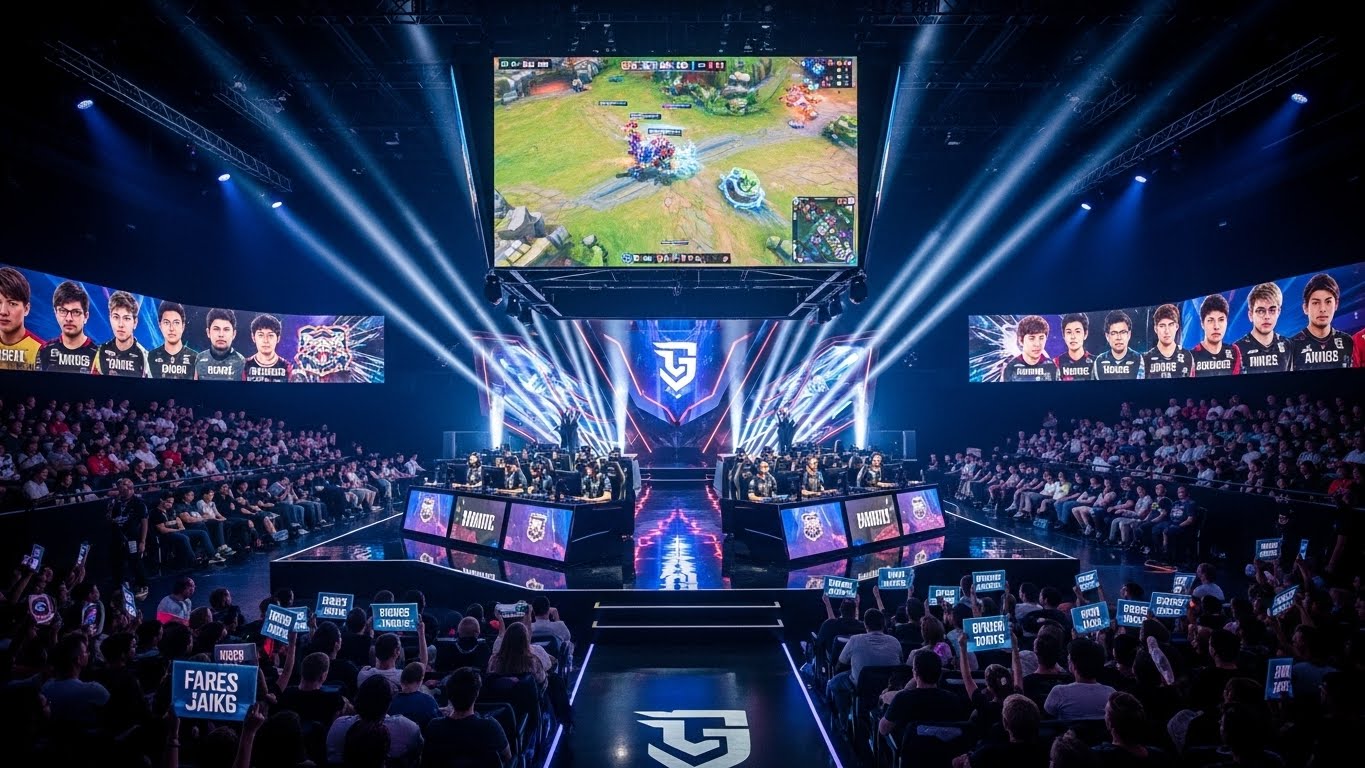
One of the most influential factors in esports growth is digital streaming. Live broadcasts allow fans to watch competitions in real time from anywhere in the world. Interactive features enable viewers to engage with players, commentators, and fellow fans. This accessibility has helped esports build loyal communities and expand rapidly. Unlike traditional sports, esports thrives in online spaces where fans actively participate in discussions and analysis, strengthening the connection between players and audiences.
Esports as Entertainment and Culture
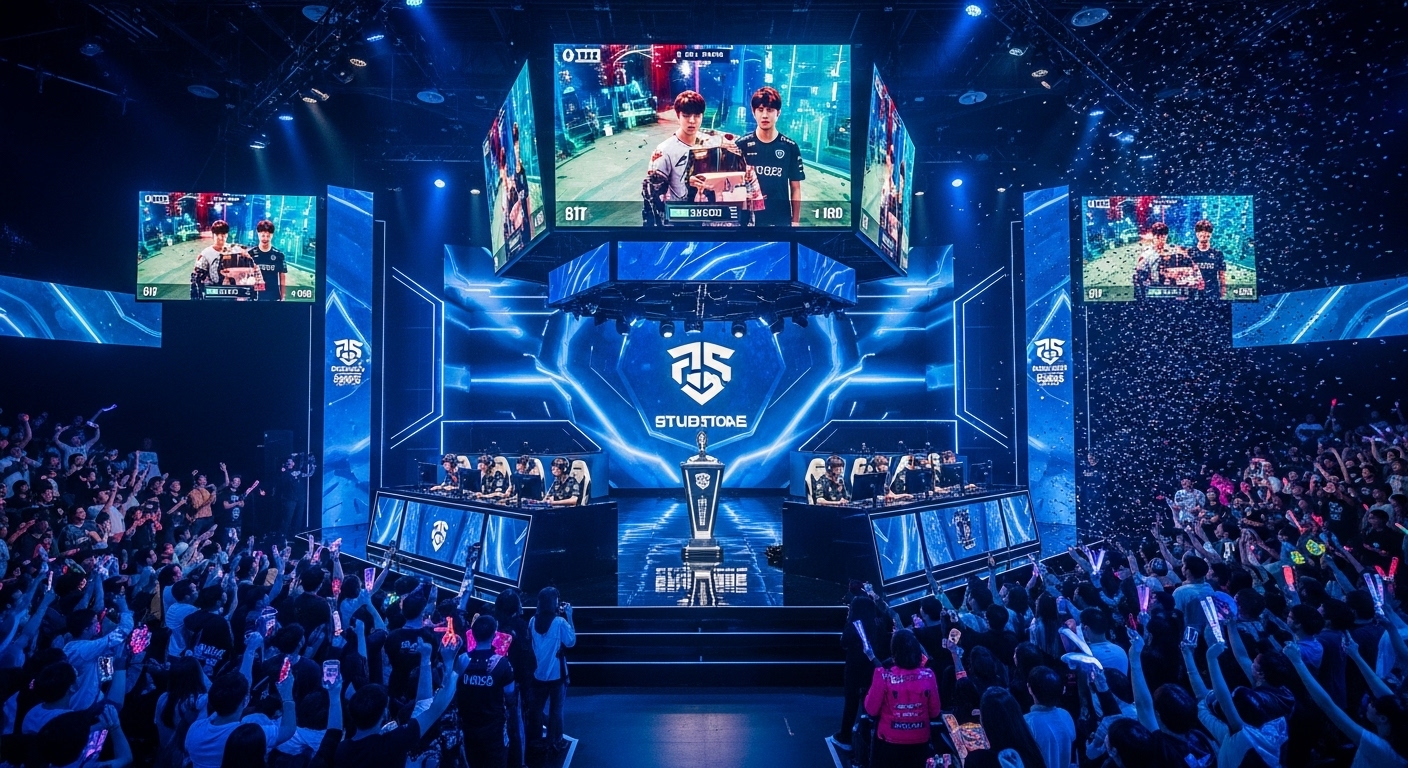
Esports has developed into a cultural phenomenon that extends beyond gameplay. Major tournaments feature elaborate stage designs, professional commentary, and dramatic storytelling. Fans express their passion through creative content, community events, and shared traditions. Players become influential figures, inspiring aspiring gamers and shaping gaming culture. This cultural depth transforms esports into a shared experience that combines competition, creativity, and entertainment.
Economic Growth and Career Opportunities
The esports industry generates revenue through sponsorships, advertising, merchandise, ticket sales, and media rights. Its growth has created diverse career opportunities beyond playing professionally. Coaches, broadcasters, event organizers, graphic designers, marketers, and developers all contribute to the ecosystem. Educational institutions now offer esports-related programs, recognizing the industry’s potential and preparing students for careers in digital entertainment and management.
Esports in Education and Skill Development
Esports is increasingly being integrated into educational environments. Schools and universities establish esports clubs and teams to engage students and teach valuable skills. Competitive gaming encourages teamwork, communication, strategic thinking, and time management. When guided responsibly, esports programs promote discipline and balance, demonstrating that gaming can be both educational and competitive. These initiatives help legitimize esports as a constructive and skill-building activity.
Challenges Facing the Esports Industry
Despite its success, esports faces ongoing challenges. Player burnout is a significant concern due to intense practice schedules and competitive pressure. The lack of standardized regulations across different games and regions can lead to inconsistencies. Issues related to diversity, inclusion, and fair treatment are also important discussions within the community. Addressing these challenges is essential for ensuring the long-term sustainability and integrity of esports.
The Relationship Between Esports and Traditional Sports
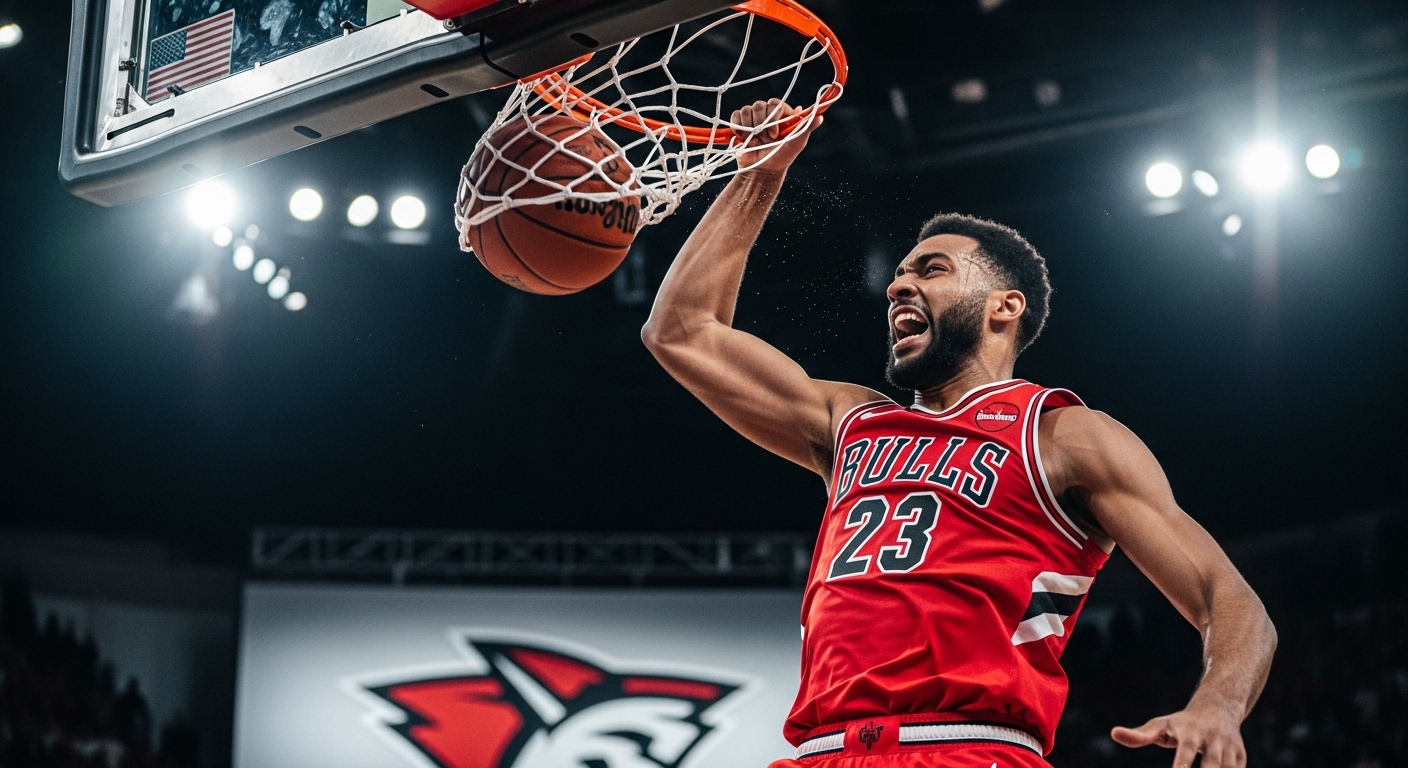
Esports and traditional sports increasingly influence one another. Many sports organizations invest in esports teams, while traditional athletes participate in gaming competitions. Both share values such as discipline, teamwork, and competitive spirit. The crossover between digital and physical sports introduces new audiences and creates opportunities for collaboration. This relationship highlights how esports complements rather than replaces traditional athletic competition.
Esports on a Global Scale
One of esports’ greatest strengths is its global reach. Players and fans from different countries compete and connect through international tournaments. Cultural and language barriers fade as shared passion unites communities. Esports fosters global interaction and mutual respect, showcasing how digital platforms can bring people together through competition. This worldwide participation makes esports one of the most inclusive forms of modern entertainment.
The Future of Esports
The future of esports is filled with potential and innovation. Advancements in technology will enhance gameplay, training, and viewing experiences. Greater emphasis on player welfare, standardized governance, and sustainable growth will shape the industry’s next phase. As new games emerge and audiences expand, esports will continue to redefine digital competition and entertainment.
Conclusion: Redefining Competition for a New Generation
Esports represents a new era of competition where technology, skill, and community intersect. From humble beginnings to global recognition, it has transformed gaming into a professional and cultural force. Esports challenges traditional ideas of sport while embracing the same values of dedication, teamwork, and excellence. As it continues to evolve, esports will remain a powerful symbol of how innovation and passion can reshape the way the world competes and connects.