






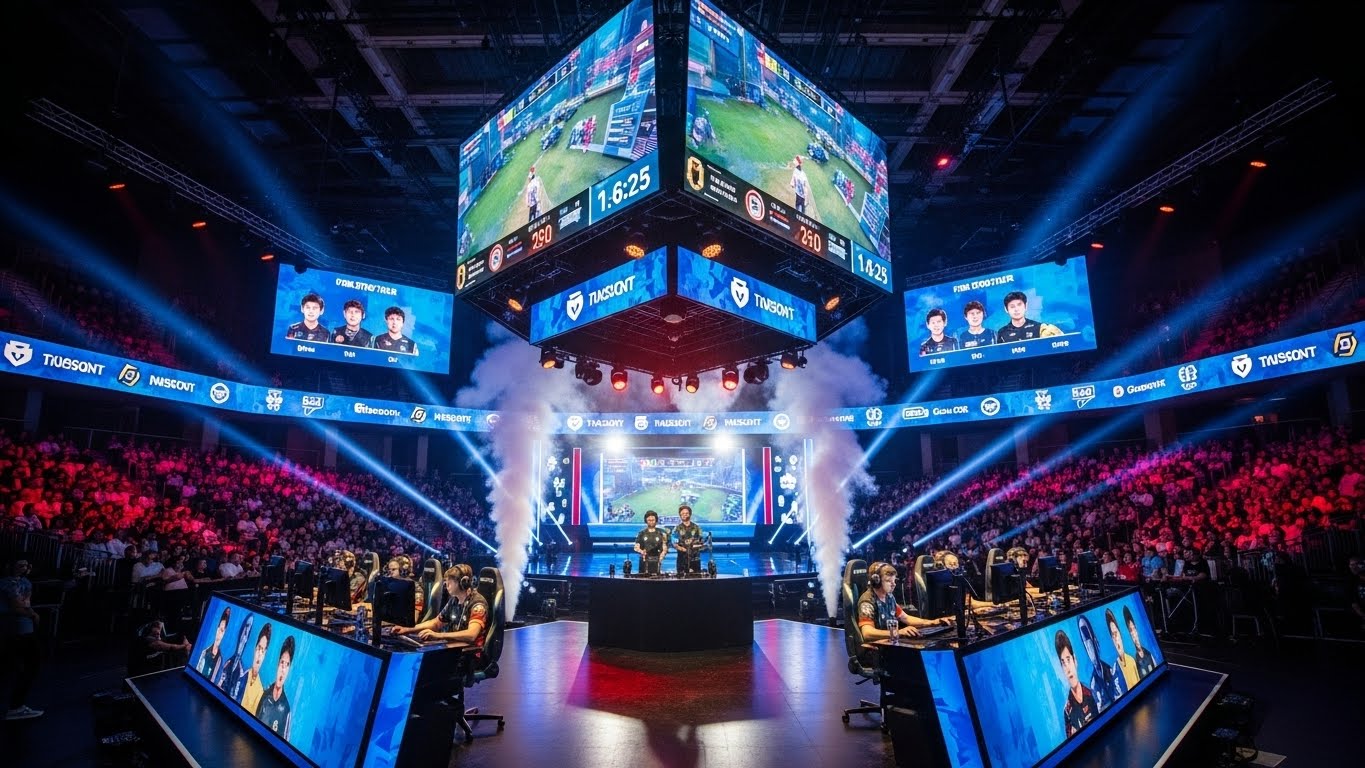
Sports are far more than just games played on fields, courts, or tracks. They are a reflection of human determination, teamwork, and creativity. Across cultures and generations, sports have inspired individuals, brought communities together, and shaped societies. From the earliest ancient competitions to the high-tech professional leagues of today, sports remain a universal language that transcends borders, languages, and social differences. In this blog, we explore the evolution of sports, their impact on individuals and communities, technological advancements, challenges, and future trends.
The Historical Evolution of Sports
Sports have been an integral part of human society for millennia. Ancient civilizations, including the Greeks, Egyptians, and Chinese, held athletic competitions to honor deities, display physical prowess, and strengthen military skills. The Greek Olympic Games, for instance, showcased a variety of athletic competitions such as running, wrestling, and discus throwing. These early events were not only about physical achievement but also about fostering unity and cultural identity.
Over the centuries, sports evolved into organized competitions with standardized rules. The 19th and 20th centuries saw the development of modern football, cricket, baseball, and athletics. Sports transitioned from local community activities to structured national and international competitions, laying the foundation for the global sports industry we know today.
Sports as a Universal Language
One of the most remarkable qualities of sports is their ability to unite people across cultural, linguistic, and geographic boundaries. Football matches, Olympic Games, and international tournaments bring together fans from around the world. Sports communicate passion, emotion, and camaraderie without the need for words. This universality fosters understanding, friendship, and solidarity, making sports a powerful tool for diplomacy and cultural exchange.
Physical Benefits of Sports
Participation in sports has profound physical benefits. Regular involvement improves cardiovascular health, strengthens muscles, enhances flexibility, and supports overall fitness. Engaging in sports can prevent chronic diseases such as obesity, diabetes, and hypertension. Beyond structured exercise, recreational sports encourage active lifestyles, helping individuals maintain energy, stamina, and endurance throughout their lives.
Mental and Emotional Benefits of Sports
Sports are equally beneficial for mental health. Physical activity stimulates the release of endorphins, which improve mood and reduce stress, anxiety, and depression. Sports also promote mental resilience, focus, and problem-solving skills. Athletes learn how to handle pressure, adapt to challenging situations, and maintain composure during critical moments. These cognitive and emotional benefits extend far beyond the sports arena, enhancing personal and professional life.
Building Character Through Sports
Sports play a critical role in shaping character and instilling core values. Dedication, discipline, responsibility, and teamwork are essential for success in any sport. Players must commit to regular practice, follow rules, and cooperate with teammates to achieve goals. These lessons translate into life skills, helping individuals become more organized, ethical, and goal-oriented in their personal and professional lives.
Social Interaction and Community Building
Sports provide opportunities for social engagement and community development. Team sports, recreational leagues, and local competitions create environments where individuals can interact, communicate, and collaborate. These interactions build relationships, enhance communication skills, and foster leadership abilities. Communities often gather to support local teams or host sports events, strengthening social cohesion and collective identity.
Economic Impact of Sports
The sports industry contributes significantly to the global economy. Professional leagues, tournaments, and sporting events generate revenue through ticket sales, merchandise, media broadcasting, sponsorships, and advertising. Additionally, sports infrastructure, including stadiums, training facilities, and academies, creates employment opportunities and stimulates local economies. Grassroots sports programs also support small businesses, equipment manufacturers, and community development initiatives.
The Role of Technology in Modern Sports
Technology has transformed every aspect of sports, from performance to entertainment. Advanced equipment, wearables, and performance-tracking devices enable athletes to monitor progress and prevent injuries. Video analysis, digital coaching platforms, and virtual simulations enhance training and strategy development. High-definition broadcasting and live-streaming platforms allow fans to experience events in real-time, expanding global audiences and engagement. Technology also ensures fairness through tools like goal-line technology, instant replay, and performance analytics.
The Rise of Women in Sports
Women’s participation in sports has grown exponentially in recent decades. Female athletes compete at the highest levels, breaking stereotypes and achieving recognition on par with their male counterparts. Women’s sports leagues, tournaments, and media coverage continue to expand, inspiring young girls to pursue athletic careers. This growing inclusivity enhances diversity and strengthens the cultural significance of sports worldwide.
Youth Sports and Their Importance
Youth sports are crucial for holistic development. They teach children teamwork, discipline, resilience, and leadership while promoting physical health. Participation in youth sports encourages social interaction, boosts self-confidence, and develops problem-solving skills. Structured youth programs also provide opportunities for talent identification, mentorship, and lifelong engagement with physical activity.
Professional Sports and Global Influence
Professional athletes serve as role models, inspiring millions with their dedication, talent, and sportsmanship. Major sporting events, such as the World Cup, Olympics, and basketball championships, attract global audiences and generate cultural excitement. Professional leagues set high standards for performance, discipline, and competitive integrity. Athletes’ stories of perseverance, overcoming adversity, and achieving excellence resonate with fans and motivate individuals worldwide.
Sportsmanship and Ethics
Sportsmanship is fundamental to the integrity of sports. Respect for opponents, adherence to rules, and gracious behavior in victory or defeat cultivate fair play and mutual respect. Ethical conduct in sports ensures that competition remains honorable and meaningful. Coaches, players, and organizers emphasize integrity, teamwork, and personal accountability to maintain a culture of respect and trust in all levels of athletic competition.
Challenges in the World of Sports
Despite its numerous benefits, the sports world faces challenges. Issues such as doping, corruption, match-fixing, and excessive commercialization threaten the integrity of competition. Athletes may face intense pressure, leading to burnout or mental health concerns. Inequalities in access to facilities, coaching, and opportunities can limit participation for marginalized groups. Addressing these challenges requires regulation, education, and a commitment to fair play and athlete welfare.
Inclusivity and Accessibility in Sports
Efforts to make sports inclusive and accessible have gained momentum in recent years. Adaptive sports for athletes with disabilities, community outreach programs, and initiatives promoting gender equality ensure that everyone can participate and benefit from sports. Accessible infrastructure, coaching support, and equitable opportunities empower individuals of all backgrounds to experience the physical, mental, and social benefits of sports.
Sports and Community Development
Sports strengthen communities by creating shared experiences, fostering pride, and encouraging collaboration. Local leagues, school competitions, and neighborhood events bring people together, building relationships and collective identity. Sporting success, whether at a local or national level, can unite communities, inspire youth, and stimulate social and cultural engagement.
Sports as Entertainment
Beyond participation, sports serve as one of the most popular forms of entertainment. Fans enjoy attending matches, following teams, and celebrating victories. The unpredictability of outcomes, skill displays, and dramatic moments create excitement and engagement. Sports broadcasting, online coverage, and fan interactions provide continuous entertainment while connecting audiences globally.
The Future of Sports
The future of sports promises continued innovation, inclusivity, and global expansion. Technology will enhance training, performance, and fan engagement through virtual reality, artificial intelligence, and wearable analytics. Women’s sports and adaptive athletics will continue to grow, offering broader opportunities and representation. Youth programs will expand globally, promoting healthier lifestyles and talent development. Sports will remain an essential aspect of culture, shaping the next generation of athletes and fans.
Conclusion
Sports are more than games—they are a reflection of human spirit, determination, and community. They build character, foster social interaction, and contribute to physical and mental well-being. From local youth leagues to professional global competitions, sports have the power to unite people, inspire individuals, and create shared experiences. Despite challenges such as inequality, pressure, and ethical concerns, the enduring appeal of sports ensures they will remain a vital part of human culture for generations. Sports teach life lessons, celebrate human achievement, and provide entertainment that transcends borders, proving that their impact reaches far beyond the game itself.