





Introduction: The Rise of Esports
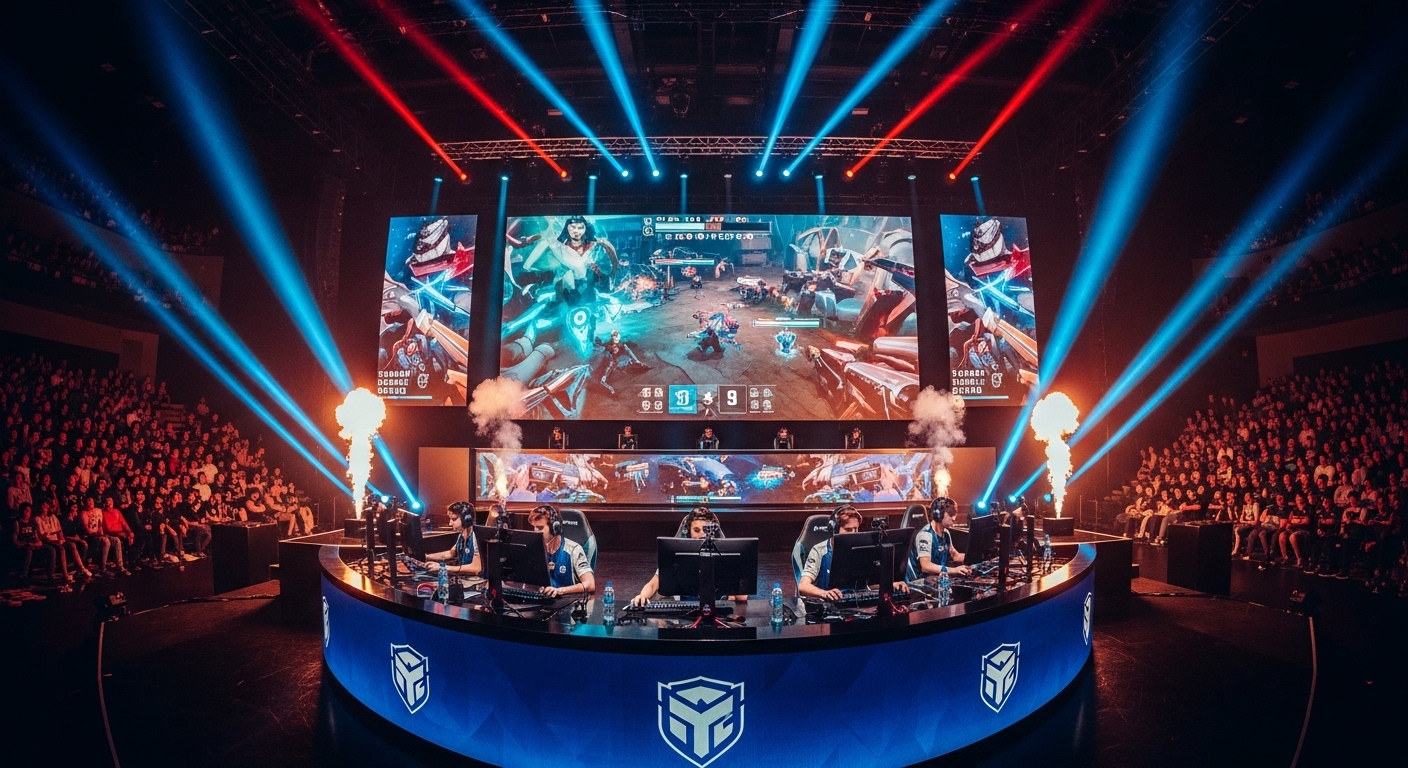
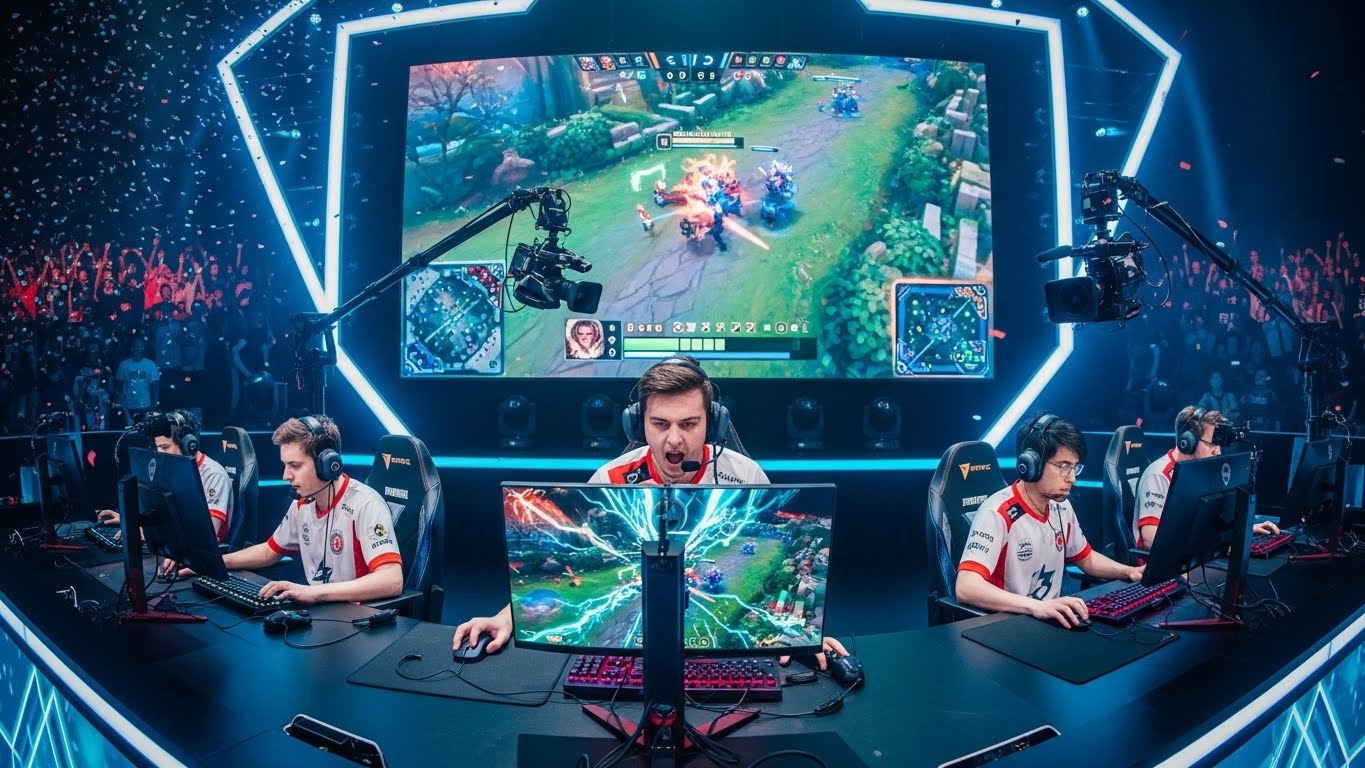
In the last decade, a silent revolution has transformed the way people view competitive gaming. What was once considered a niche hobby for dedicated gamers has now emerged as a global phenomenon known as esports. With professional leagues, multi-million-dollar tournaments, and worldwide fan bases, esports is no longer just a pastime—it has become a serious industry that rivals traditional sports in both popularity and revenue.
The term “esports” refers to organized, competitive video gaming where players or teams compete at a professional level. Games like League of Legends, Dota 2, Counter-Strike: Global Offensive, and Fortnite have dominated this space, offering thrilling experiences for both participants and spectators. The industry has evolved from simple local competitions to international tournaments broadcasted to millions of viewers. The transformation reflects technological advancements, changing social dynamics, and the increasing legitimacy of gaming as a professional pursuit.
The Evolution of Competitive Gaming
Esports has a rich history that dates back to the late 20th century. Early gaming competitions were modest gatherings in arcades or college campuses, with participants competing for small prizes or simply for bragging rights. Classic games like Pac-Man, Space Invaders, and Street Fighter played a significant role in creating competitive communities.
The 1990s and early 2000s marked a turning point with the advent of online gaming. Multiplayer games allowed players from across the globe to compete without physical presence, paving the way for larger tournaments. Titles like StarCraft and Counter-Strike laid the foundation for the professional esports scene. By the 2010s, esports had become mainstream, with major tournaments offering prize pools in the millions and attracting sponsorships from major brands.
Popular Esports Titles and Genres
Esports is not a monolithic field; it encompasses various genres, each with its own dedicated audience and professional scene. Multiplayer Online Battle Arena (MOBA) games like League of Legends and Dota 2 dominate in terms of global viewership and tournament prizes. These games require strategic thinking, teamwork, and fast reflexes, making them highly engaging for spectators.
First-Person Shooter (FPS) games such as Counter-Strike: Global Offensive, Call of Duty, and Valorant attract players who excel in precision and tactical gameplay. Battle Royale games like Fortnite and PUBG have introduced a new dimension of competitive gaming with large-scale, last-player-standing mechanics. Additionally, sports simulation games like FIFA and NBA 2K bridge the gap between traditional sports and digital competition, attracting both gamers and sports enthusiasts alike.
The Business of Esports
The meteoric rise of esports is closely linked to its economic potential. The industry generates revenue through multiple streams, including sponsorships, advertising, merchandise sales, broadcasting rights, and ticket sales for live events. Major brands, from tech companies to lifestyle products, have recognized the value of esports audiences, often younger and more digitally engaged than traditional sports fans.
Professional players and teams have become celebrities in their own right. Top players earn substantial salaries, complemented by winnings from tournaments and sponsorship deals. Esports organizations operate similarly to traditional sports franchises, managing teams, marketing, and fan engagement. The combination of competitive excellence and commercial viability has solidified esports as a legitimate and sustainable industry.
The Role of Streaming Platforms
One of the key factors driving esports growth is the rise of streaming platforms. Platforms like Twitch, YouTube Gaming, and others have made it easier for fans to watch live competitions, interact with players, and become part of gaming communities. Live streaming has transformed spectatorship from a passive experience into an interactive one, allowing viewers to comment, cheer, and even influence events in real time.
Streaming also provides aspiring players a platform to showcase their skills, potentially attracting the attention of professional teams. The combination of accessibility and interactivity has turned esports into a form of entertainment that rivals traditional sports broadcasts, engaging audiences worldwide.
Esports and Technology
Esports is inherently linked to technological advancement. High-speed internet, powerful gaming hardware, and sophisticated software have all contributed to the growth of competitive gaming. Innovations in virtual reality and augmented reality promise to take esports to new levels, offering immersive experiences that blend the physical and digital worlds.
Artificial intelligence and data analytics also play a growing role. Teams use data-driven strategies to analyze opponents, optimize gameplay, and enhance training routines. This integration of technology makes esports not just a test of reflexes and strategy but also a showcase of human ingenuity in a digital environment.
The Social and Cultural Impact
Esports has significant social and cultural implications. It has redefined what it means to be an athlete, challenging traditional notions that physical activity is the sole domain of sports. Gaming communities foster camaraderie, teamwork, and social interaction across geographical boundaries. Fans often form deep connections with players and teams, creating vibrant online and offline cultures.
Moreover, esports has contributed to changing perceptions about gaming. Once viewed skeptically by mainstream society, competitive gaming is now celebrated for its skill, dedication, and entertainment value. Universities and colleges have even started offering scholarships for esports athletes, further legitimizing gaming as a viable career path.
Challenges Facing Esports
Despite its rapid growth, esports faces several challenges. One major concern is sustainability. The industry is heavily dependent on sponsorships and brand partnerships, which can fluctuate with market conditions. Another challenge is player health and well-being. Long hours of practice, intense competition, and high expectations can lead to physical and mental health issues, including repetitive strain injuries and burnout.
Regulatory challenges also exist. With varying standards across countries, organizing international tournaments can be complex. Issues such as cheating, match-fixing, and gambling have occasionally tarnished the reputation of esports. Addressing these challenges is crucial for the long-term credibility and growth of the industry.
The Future of Esports
The future of esports looks promising. The industry is expected to continue growing, with increasing investment from traditional sports organizations, entertainment companies, and technology firms. Emerging technologies such as virtual reality and cloud gaming could redefine the esports experience, making it more immersive and accessible.
Esports may also become more integrated with traditional sports, entertainment, and education. Imagine stadiums hosting combined esports and sports events, or universities offering advanced esports curricula that blend strategy, analytics, and game design. The potential for innovation is vast, and the industry is poised to expand beyond its current boundaries.
Conclusion: Esports as a Cultural Phenomenon
Esports has come a long way from humble beginnings in arcades and college dorms. Today, it is a global industry with professional athletes, international tournaments, and millions of fans worldwide. It challenges traditional notions of sports, creates vibrant communities, and drives technological innovation.
While challenges exist, the continued growth and mainstream acceptance of esports indicate that it is more than a passing trend. It represents a new form of competition, entertainment, and cultural expression in the digital age. Whether as a player, fan, or investor, engaging with esports offers a window into a dynamic, fast-paced world that blends skill, strategy, and digital creativity like never before.