




Esports has transformed from a niche hobby into a global phenomenon, redefining competition, entertainment, and professional sports. Once dismissed as casual gaming, esports now represents a multi-billion-dollar industry with professional players, organized leagues, international tournaments, and passionate communities around the world. This digital revolution goes beyond entertainment; it embodies skill, strategy, teamwork, and technological innovation. In this blog, we explore the history of esports, the lifestyle of players, the economic and cultural impact of competitive gaming, and what the future holds for this rapidly growing industry.
What Esports Really Is
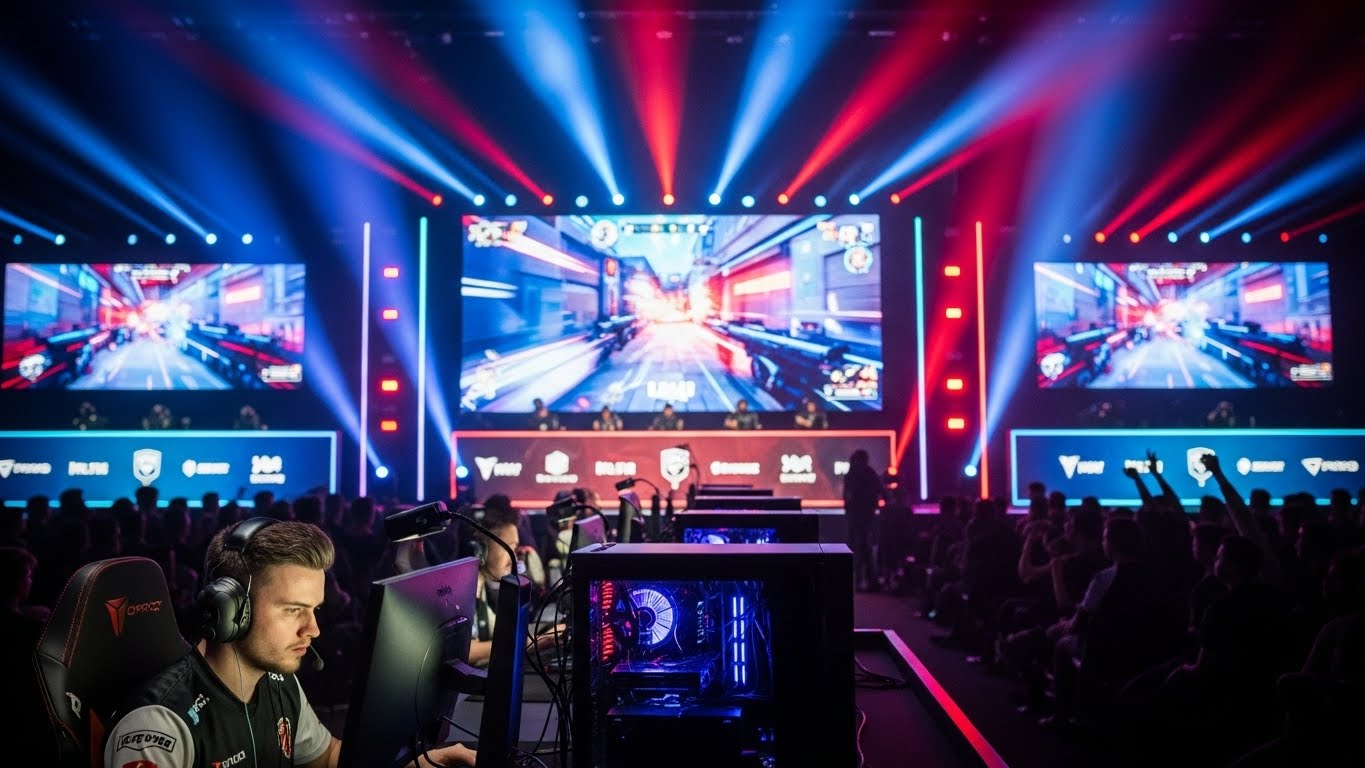
Esports, short for electronic sports, is the practice of organized competitive video gaming. Unlike casual gaming, esports is highly structured, with professional players, standardized rules, and large-scale competitions. Matches can occur online or in live arenas, and they often feature commentators, analysts, and referees to ensure fair play.
Similar to traditional sports, esports emphasizes skill, dedication, and teamwork. Players train rigorously, strategize with teammates, and continuously adapt to evolving game mechanics. The main distinction is that the battleground is digital, with players interacting through keyboards, controllers, or virtual interfaces instead of physical fields or courts.
The Origins of Competitive Gaming
The roots of esports trace back to arcade competitions and early gaming tournaments in the late 20th century. High score challenges, speed runs, and small-scale competitions were the foundation for organized gaming. These early events celebrated skill and mastery, providing recognition to top players even before the industry became mainstream.
The growth of the internet was pivotal in expanding esports. Multiplayer online games allowed players from different cities, countries, and continents to compete against one another. Communities formed around games, creating fan followings and shared experiences. This led to the emergence of structured tournaments, sponsorships, and professional teams, setting the stage for esports as we know it today.
Popular Esports Game Genres
Esports encompasses a variety of game genres, each appealing to different audiences and skill sets.
Multiplayer Online Battle Arena (MOBA) Games: Titles like League of Legends and Dota 2 require teamwork, strategic thinking, and map control. Success depends on coordination with teammates and adapting to opponents in real time.
First-Person Shooters (FPS): Games such as Counter-Strike, Valorant, and Call of Duty focus on precision, reflexes, and tactical decision-making. Communication and strategy are vital for victory.
Real-Time Strategy (RTS) Games: RTS games like StarCraft demand long-term planning, resource management, and rapid multitasking. Players must anticipate opponents’ moves while executing complex strategies.
Fighting Games: One-on-one competitions like Street Fighter and Tekken emphasize timing, reflexes, and psychological strategy. Every move counts, and mental resilience is as important as physical skill.
Sports Simulation Games: Digital versions of sports, including FIFA and NBA 2K, combine athletic knowledge with gaming mechanics, allowing players to simulate professional sports experiences.
This diversity ensures that esports can cater to a wide range of players, from casual participants to elite professionals.
The Life of a Professional Esports Player
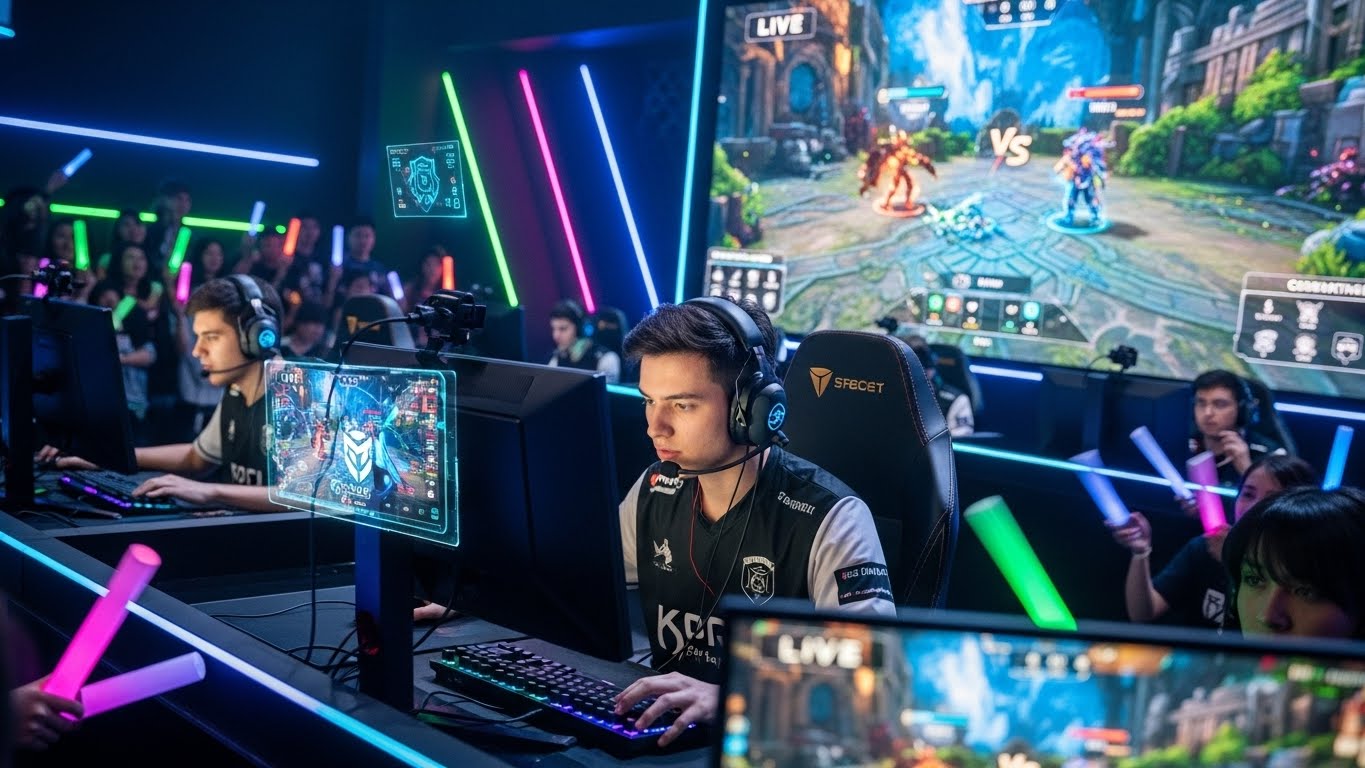
Professional esports athletes lead demanding lives similar to traditional sports stars. Daily training often spans several hours, focusing on game mechanics, strategy, and teamwork. Players review past matches, analyze opponents’ techniques, and refine their skills to stay competitive.
Mental preparation is a critical component. Players must maintain focus under pressure, manage stress, and make rapid decisions during high-stakes matches. Many teams employ coaches, analysts, and mental performance specialists to support players’ development.
Physical health is also important. Despite the sedentary nature of gaming, posture, hand and wrist care, and overall fitness are essential to prevent injuries and maintain performance over time. Nutrition, sleep, and recovery routines contribute to long-term success in esports careers.
Esports as a Cultural Phenomenon
Esports has grown beyond mere competition into a global cultural movement. Fans follow teams, celebrate victories, and share experiences in digital communities. Streaming platforms, social media, and forums provide spaces for players and audiences to interact, creating a sense of belonging.
Major esports tournaments attract massive viewership, rivaling traditional sports events. These competitions combine skill, strategy, entertainment, and storytelling, producing moments that resonate with audiences worldwide. Players often become role models, inspiring younger generations to pursue gaming with dedication and discipline.
Esports culture also influences fashion, digital identity, and creative expression. Team merchandise, fan art, and cosplay reflect the vibrant community surrounding competitive gaming.
The Economic Impact of Esports
The esports industry has evolved into a major economic powerhouse. Revenue comes from sponsorships, advertising, tournament ticket sales, merchandise, and streaming rights. Large competitions offer prize pools that reach millions of dollars, drawing elite players and increasing global visibility.
Career opportunities in esports extend beyond the players themselves. Analysts, commentators, coaches, event managers, graphic designers, marketers, and content creators all contribute to the ecosystem. Additionally, technology developers, hardware manufacturers, and software engineers benefit from the growing demand for high-quality gaming infrastructure.
Esports’ economic influence demonstrates that it is a sustainable and expanding industry, with long-term potential for innovation and growth.
Streaming and Fan Engagement
Streaming has revolutionized how esports reaches audiences. Platforms allow fans to watch live matches, follow players’ progress, and engage with communities in real time. Interactive features like live chat and commentary strengthen the connection between players and audiences.
Professional players also stream content outside tournaments, sharing practice routines, tutorials, and behind-the-scenes insights. This transparency builds personal brands, fosters loyalty, and strengthens the overall esports ecosystem.
Esports in Education and Skill Development
Educational institutions have begun embracing esports as a tool for personal and professional growth. Organized programs teach teamwork, leadership, communication, and strategic thinking. Students learn to set goals, manage time, and collaborate under pressure.
Some schools and universities offer scholarships, competitive teams, and academic programs focused on gaming, technology, and digital media. These initiatives demonstrate that esports can be more than a recreational activity; it can serve as a pathway to valuable skills and career opportunities.
Inclusivity and Accessibility in Esports
One of esports’ unique strengths is accessibility. Physical limitations, size, or geographic location do not prevent individuals from competing at high levels. Talent and dedication determine success, making esports one of the most globally inclusive forms of competition.
Efforts to improve representation and diversity continue to shape the industry. Encouraging inclusive practices strengthens communities, fosters creativity, and ensures esports remains a welcoming space for all players.
Challenges and Ethical Considerations
Despite rapid growth, esports faces challenges. Intense schedules and performance pressure can lead to burnout and mental health concerns. Ensuring player well-being is a critical priority.
Other challenges include cheating, online toxicity, and inconsistent regulations across tournaments and regions. Establishing clear ethical standards, rules, and player protections is essential for maintaining trust and credibility.
The Future of Esports
The future of esports is intertwined with technological advancement. Virtual reality, augmented reality, artificial intelligence, and cloud computing will redefine gameplay, training, and spectator experiences.
Esports will continue integrating with mainstream media, entertainment, and education. Interactive tournaments, personalized fan experiences, and global accessibility will expand the industry’s reach. As esports grows in popularity, it will continue shaping culture, careers, and digital innovation worldwide.
Conclusion: Esports as a Modern Sporting Revolution
Esports represents a new frontier of competition where technology, skill, and human ingenuity converge. It challenges traditional ideas of sports while maintaining essential values such as teamwork, dedication, and resilience.
Beyond entertainment, esports builds communities, drives economic growth, and provides career opportunities. It inspires players and audiences to push boundaries, embrace innovation, and connect globally through shared passion.
From controllers to champions, esports has proven that competition is no longer limited to physical arenas. In the digital age, skill, strategy, and perseverance define success, making esports one of the most exciting and transformative industries in modern culture.