




The gaming industry has grown beyond simple recreation to become one of the most influential entertainment mediums in the modern world. Within that vast universe, esports has emerged as a powerhouse that blends competition, technology, culture, and business. Esports, or electronic sports, refers to organized competitive gaming where professional players and teams compete against each other in a variety of video games. Over the last two decades, esports has transformed from a niche hobby into a billion-dollar global industry that rivals traditional sports in viewership, sponsorships, and fan engagement.
The Origins of Esports
To understand how esports became such a phenomenon, it is essential to trace its origins. Competitive gaming has existed since the early days of video games. The first known gaming competition took place in 1972 at Stanford University, where students competed in the game Spacewar. The winner received a subscription to Rolling Stone magazine, which may seem trivial now, but it marked the beginning of a new kind of competition—one that would eventually evolve into professional esports.
In the 1980s, arcade games like Pac-Man and Donkey Kong became cultural icons. Gaming competitions began to attract attention from enthusiasts around the world. The introduction of home consoles such as the Nintendo Entertainment System (NES) and Sega Genesis further popularized competitive gaming. Players would challenge friends and family, often organizing local tournaments that set the stage for future professional events.
By the 1990s, with the rise of computer games and local area network (LAN) parties, esports started to take shape in a more structured form. Games like Quake, StarCraft, and Counter-Strike laid the foundation for multiplayer competition. The introduction of online gaming made it possible for players to compete globally, removing physical boundaries and allowing for the birth of a truly international competitive scene.
The Rise of Professional Esports
The 2000s were the turning point for esports as a professional industry. With faster internet connections and the growth of online communities, competitive gaming moved from basements and internet cafes to major arenas. Games such as Counter-Strike 1.6, Warcraft III, StarCraft: Brood War, and Halo became staples of early esports tournaments.
Organizations began forming to support professional players, providing salaries, sponsorships, and structured teams. Countries like South Korea played a major role in shaping the modern esports ecosystem. Televised gaming tournaments became mainstream in South Korea, with StarCraft matches drawing millions of viewers on television. This professionalization of gaming inspired other countries to follow suit.
In the Western world, events like Major League Gaming (MLG) in North America and the World Cyber Games (WCG) globally gave esports players a legitimate platform to showcase their skills. The introduction of prize pools worth tens or even hundreds of thousands of dollars added a level of seriousness that attracted both players and investors.
Streaming and the Explosion of Esports Popularity
If the 2000s laid the groundwork, the 2010s were the decade of explosion. Streaming platforms such as Twitch, YouTube Gaming, and later Facebook Gaming completely revolutionized the way esports was consumed. No longer did fans have to rely on television broadcasts or special events; they could watch their favorite players live from anywhere in the world.
Twitch, in particular, played a pivotal role in democratizing esports. It allowed anyone with skill and personality to build a fan base and compete for recognition. Viewers could interact with streamers in real-time, creating a more personal and engaging experience than traditional sports could offer. This interactivity fueled community growth and turned esports into a cultural movement.
The rise of popular esports titles such as League of Legends, Dota 2, Counter-Strike: Global Offensive, Overwatch, and Fortnite further propelled the industry into the mainstream. These games were not only fun to play but also exciting to watch. Developers began to design their games with spectators in mind, incorporating features that made competitive play more thrilling and easy to follow.
Major Esports Titles and Their Impact
Different games dominate different regions and appeal to distinct audiences. Each major title has contributed uniquely to the development of esports.
League of Legends (LoL) became a cultural giant with its annual World Championship. Produced by Riot Games, it draws millions of viewers each year and features players who have become household names in gaming circles. Its well-structured professional leagues in multiple regions provide stability and a clear career path for aspiring players.
Dota 2, developed by Valve Corporation, is another cornerstone of the esports world. Known for its complexity and strategic depth, Dota 2 hosts The International, one of the most lucrative tournaments in esports history. Prize pools often exceed tens of millions of dollars, largely funded by the player community through in-game purchases.
Counter-Strike: Global Offensive (CS:GO) represents the long-standing tradition of first-person shooter competition. With its simple yet skill-demanding gameplay, CS:GO has maintained a loyal fan base for over a decade. The game’s professional scene thrives with major tournaments like the ESL Pro League and the PGL Majors.
Fortnite, while younger than other titles, changed the esports landscape by blending gaming with entertainment. Its tournaments attracted not only hardcore gamers but also casual players and celebrities, bridging the gap between gaming and popular culture.
Valorant, also from Riot Games, brought a new level of tactical depth to the shooter genre, combining precise gunplay with character-based abilities. Its competitive circuit quickly established itself as one of the fastest-growing scenes in esports.
The Business of Esports
Esports is not just about competition; it is a booming business. The industry generates billions in revenue from sponsorships, advertisements, ticket sales, merchandise, and media rights. Major brands such as Nike, Red Bull, Intel, and BMW sponsor esports teams and tournaments, recognizing the marketing potential within the young, tech-savvy demographic that follows gaming.
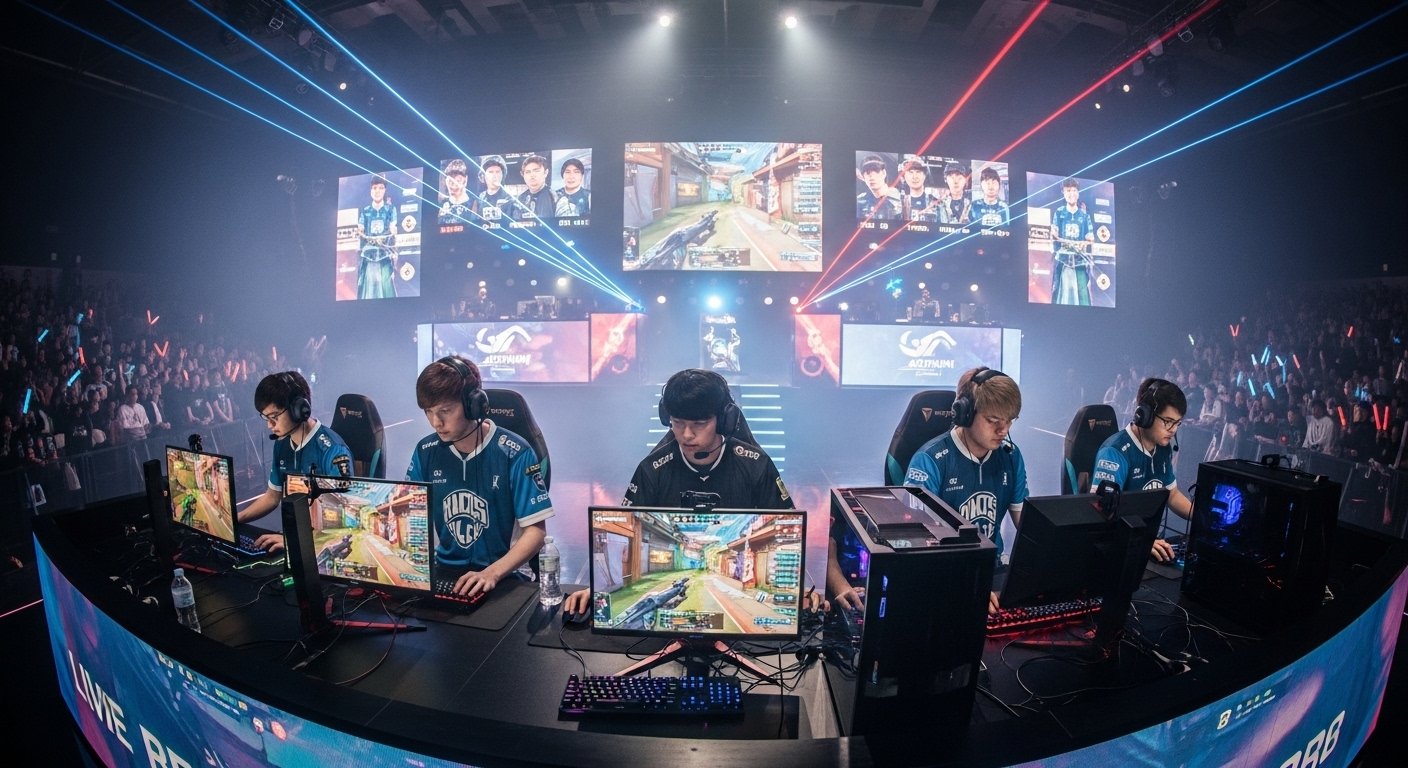
Teams operate much like traditional sports organizations. They have management, coaching staff, training facilities, and player contracts. The best teams are worth millions of dollars, and players earn not only from salaries but also from streaming, endorsements, and merchandise sales.
The revenue model of esports continues to evolve. Franchised leagues, like the Overwatch League and League of Legends Championship Series, have introduced city-based teams similar to traditional sports leagues, increasing local fan engagement and investment.
Esports Arenas and Live Events
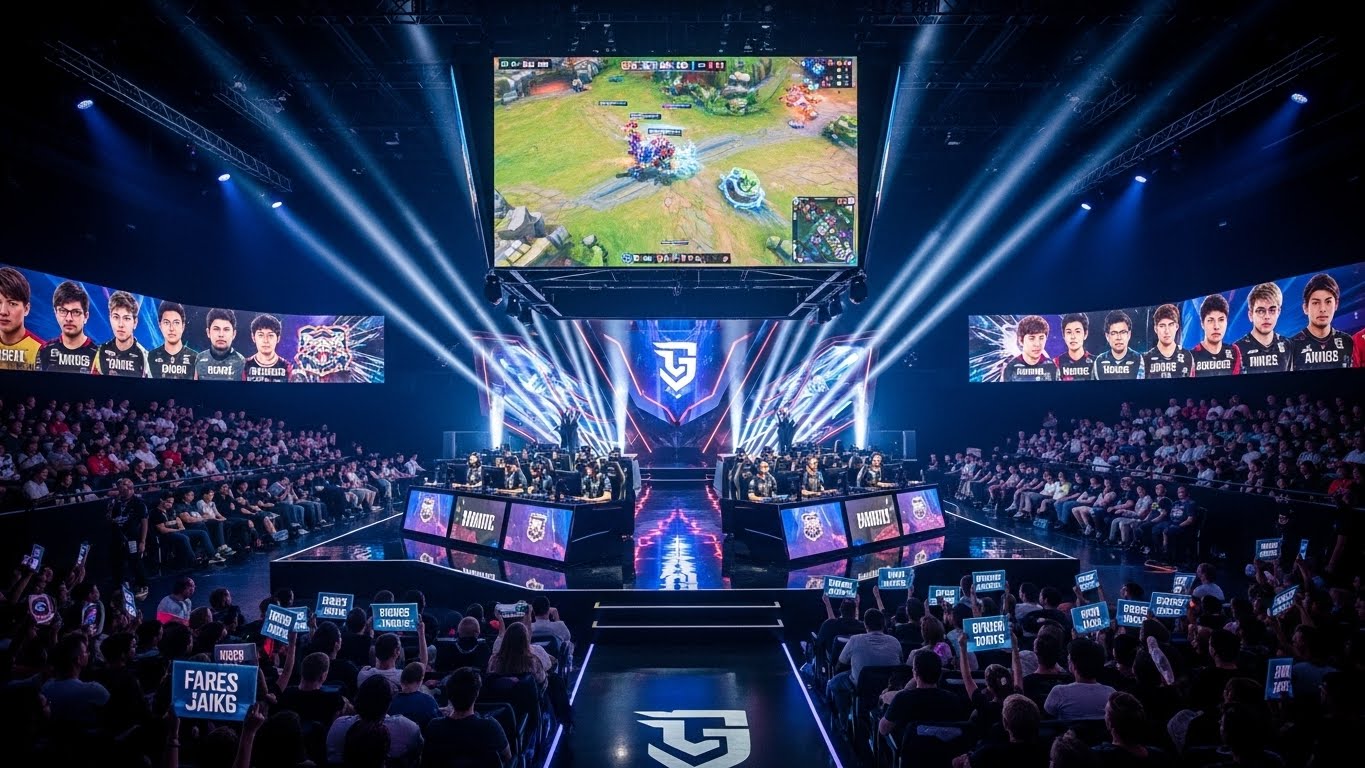
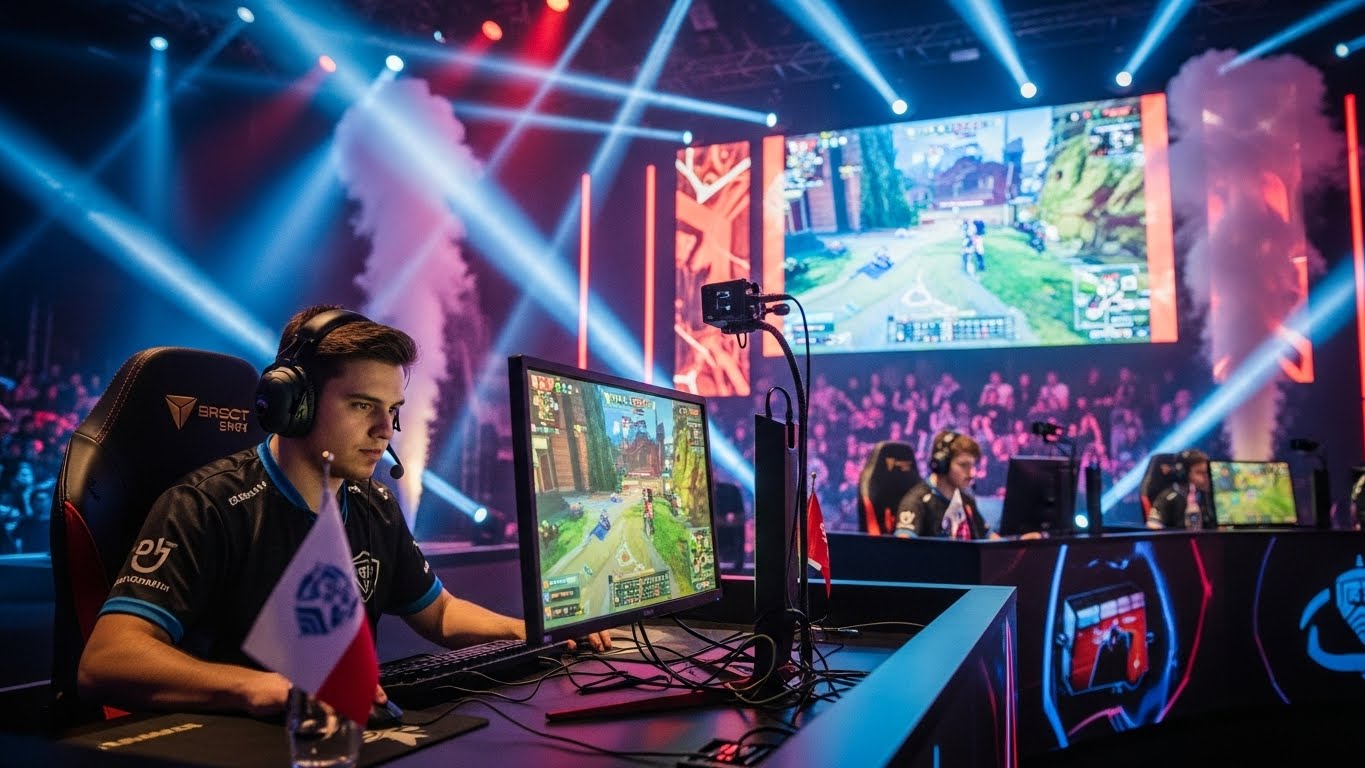
Live esports events are spectacles of modern entertainment. Massive arenas are filled with thousands of cheering fans, light shows, music performances, and dramatic stage setups that rival any concert or sports event. The energy at these events is electric, blending digital excitement with real-world enthusiasm.
Events like the League of Legends World Championship Finals, The International, and CS:GO Majors draw tens of thousands of fans in person and millions more online. These tournaments are broadcast in multiple languages, turning them into truly global experiences.
Esports venues are being built specifically to host these events. Cities like Shanghai, Seoul, and Los Angeles have constructed dedicated esports stadiums that highlight the legitimacy and scale of the industry.
The Role of Technology in Esports Growth
The rise of esports would not have been possible without advancements in technology. High-speed internet, powerful gaming hardware, and streaming innovations have all played crucial roles. Modern gaming PCs and consoles provide smooth, high-fidelity gameplay, while broadcasting tools allow for professional-grade live production.
Virtual reality (VR) and augmented reality (AR) are opening new frontiers for interactive gaming experiences. Cloud gaming services are making high-quality play accessible to more people, regardless of their hardware limitations. Furthermore, artificial intelligence and analytics are being used to improve player performance and audience engagement.
Esports organizations are also leveraging data to understand fan behavior, optimize marketing strategies, and enhance the spectator experience. The integration of technology into every facet of esports continues to drive innovation and growth.
Esports and Education
Esports is now being recognized as a legitimate educational and career pathway. Universities around the world offer esports scholarships and degree programs in game design, marketing, event management, and broadcasting. High schools have started esports clubs to teach teamwork, strategy, and communication skills.
This institutional support not only legitimizes gaming but also prepares the next generation of talent to contribute to the industry. Careers in esports are no longer limited to being a player; roles in production, commentary, coaching, content creation, and business management are abundant.
Cultural Influence of Esports
Esports has become a major part of modern youth culture. Professional players have achieved celebrity status, and gaming influencers command audiences of millions across social media platforms. The merging of gaming with music, fashion, and entertainment has created a dynamic cultural ecosystem.
Esports has also broken barriers between countries. International tournaments bring together players from different backgrounds, fostering global interaction and unity. Fans from every corner of the world tune in to cheer for their favorite teams, creating a shared digital culture that transcends language and geography.
Challenges Facing the Esports Industry
Despite its success, esports faces challenges that must be addressed for sustainable growth. Player burnout is a significant issue, as intense training schedules and constant competition can lead to mental and physical strain. Fair play concerns, such as cheating or match-fixing, also threaten the integrity of competitions.
Financial stability for smaller teams and tournaments remains uncertain, as not every organization can secure large sponsorships. Additionally, ensuring diversity and inclusivity within esports is an ongoing effort. Female players and underrepresented groups still face barriers in gaining equal opportunities and recognition.
Regulation is another topic of debate. Unlike traditional sports, esports lacks a unified governing body. This absence of centralized oversight creates inconsistencies in rules, player contracts, and disciplinary actions across different games and regions.
The Future of Esports
The future of esports looks incredibly promising. Analysts predict that the industry will continue to expand in both revenue and audience size. Technological innovations such as 5G, artificial intelligence, and virtual reality will further enhance both gameplay and spectator experiences.
We can expect esports to become more integrated into mainstream media, with greater collaboration between gaming companies, traditional sports organizations, and entertainment industries. Television networks, streaming services, and even film studios are investing in esports content.
Mobile esports is also on the rise, especially in regions like Asia and South America. Games like PUBG Mobile, Mobile Legends, and Free Fire have created enormous competitive communities that rival PC and console gaming scenes.
As society becomes increasingly digital, esports stands as a symbol of the modern age—a fusion of skill, creativity, and technology. It represents how human competition can evolve beyond physical boundaries into virtual arenas that captivate millions.
Conclusion
Esports has transcended its origins as a niche hobby to become one of the most significant cultural and economic forces of the 21st century. It combines the thrill of competition, the innovation of technology, and the passion of community into a global movement that shows no signs of slowing down.
From the early days of arcade challenges to today’s massive international tournaments, esports has proven that gaming is not just play—it is a profession, an art, and a unifying global language. As it continues to grow, esports will not only redefine entertainment but also shape how future generations interact, compete, and create in the digital era.