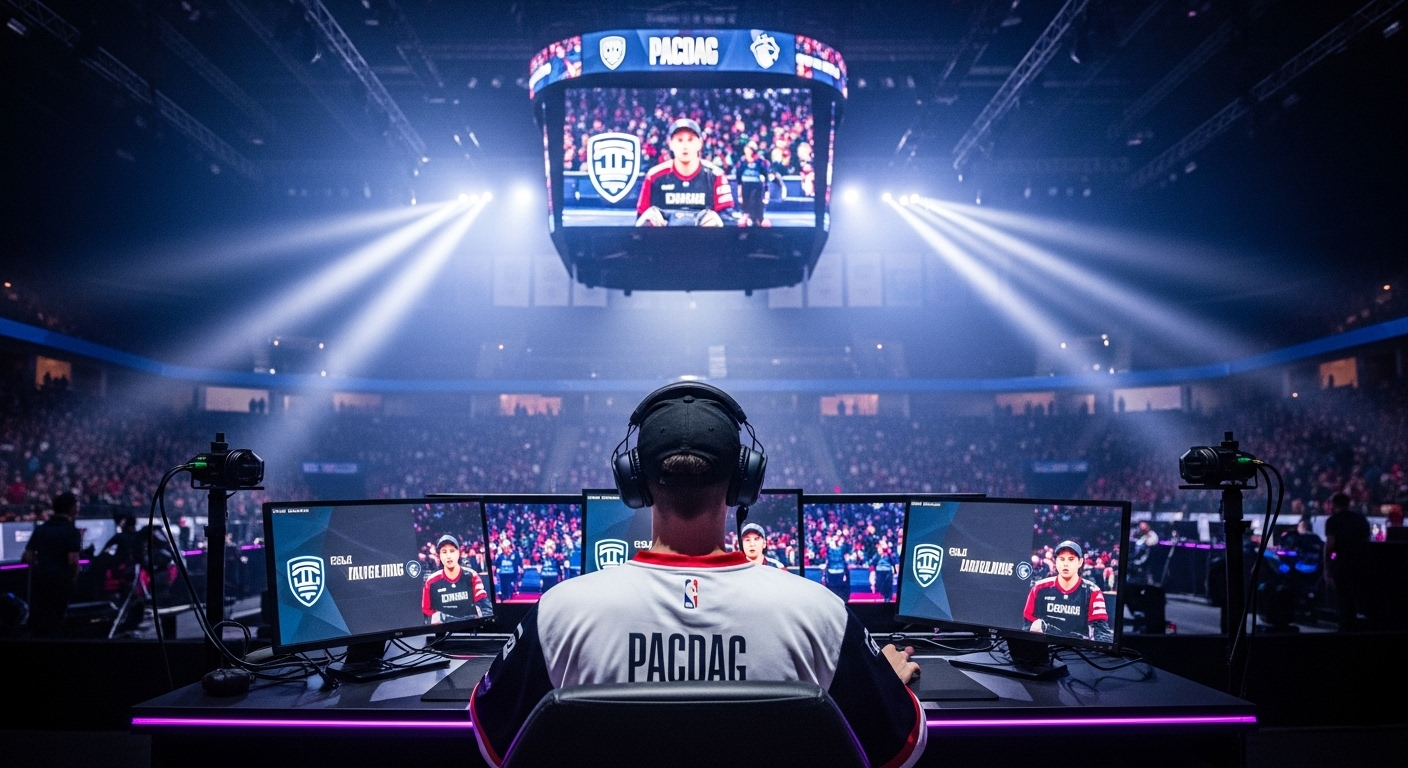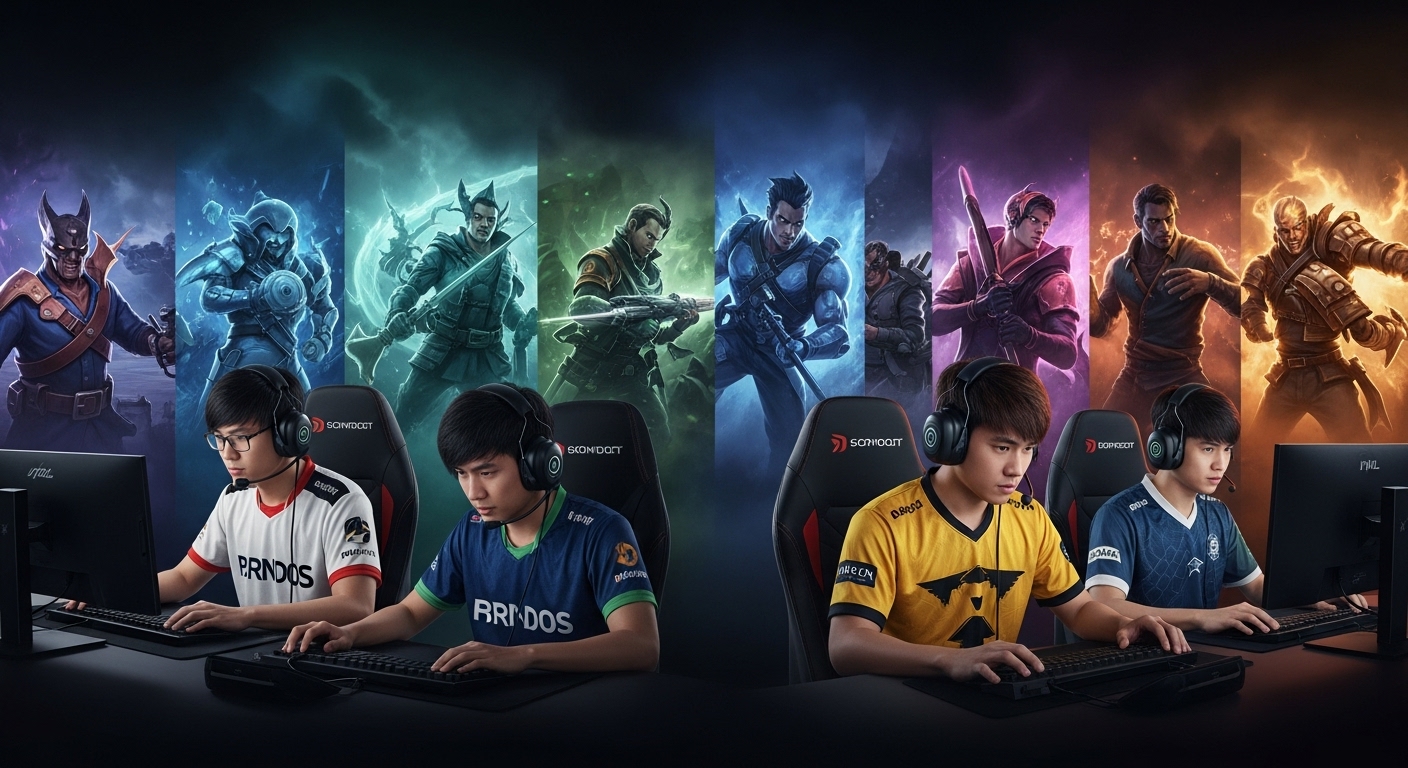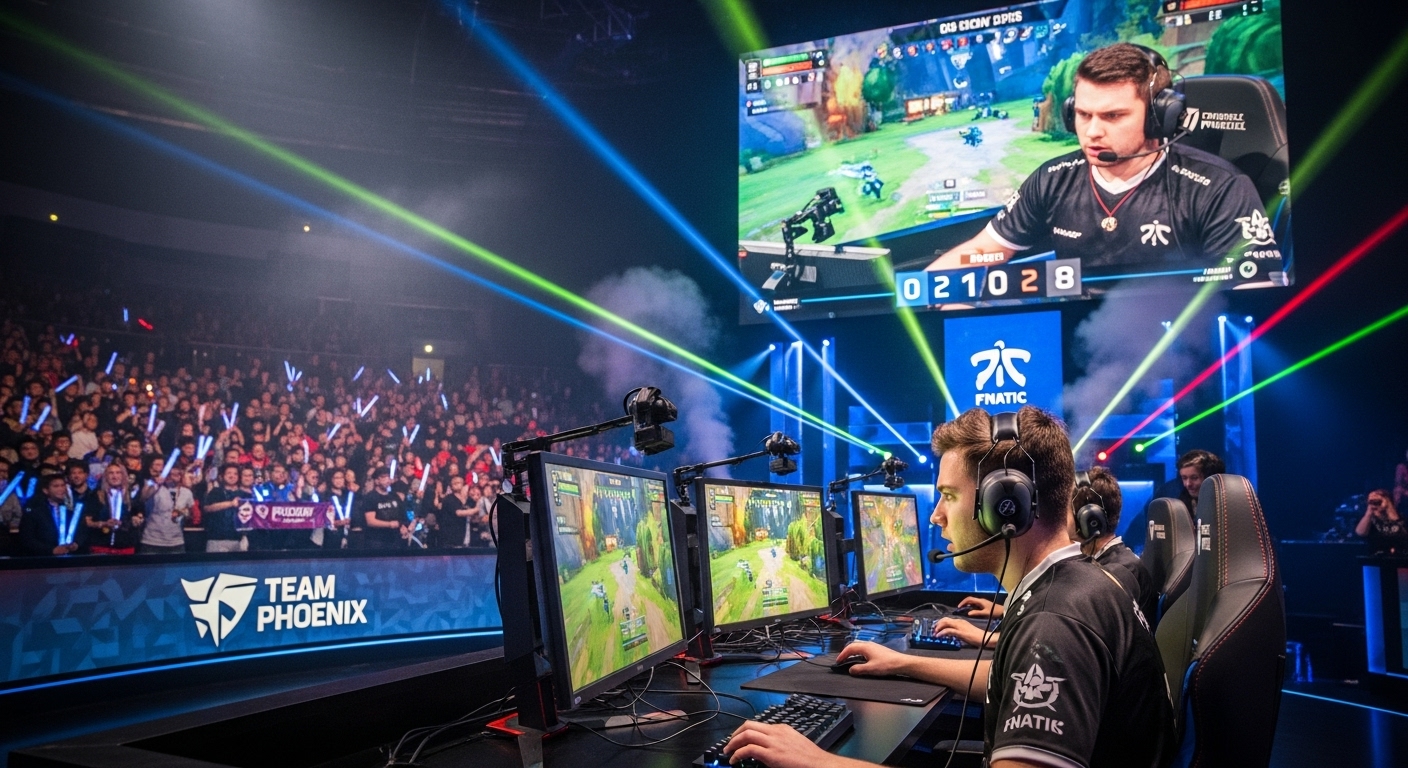






Esports, or electronic sports, refers to competitive video gaming at a professional level, where players compete in organized tournaments and leagues. What began as a niche hobby for gamers has transformed into a global industry worth billions of dollars, with millions of fans, professional players, and sponsors involved. Over the past two decades, esports has evolved dramatically, influencing not just the gaming world but also mainstream sports, entertainment, and even culture.
In this blog post, we will delve into the history, growth, impact, and future of esports, examining key developments, trends, and challenges that continue to shape the esports ecosystem.
The Origins of Esports
The roots of competitive gaming date back to the early days of gaming itself. While the first video games were primarily designed for single-player experiences, it didn’t take long before players began competing against each other. The first known competitive gaming event took place in 1972 at Stanford University, where students competed in the game Spacewar. However, it wasn’t until the late 1990s and early 2000s that esports as we know it began to take shape.
In the early days, esports was largely localized to small LAN (Local Area Network) parties where friends would gather to compete in games like Quake, Starcraft, and Warcraft. These events were often informal and had little structure or prize money. However, the increasing popularity of online multiplayer gaming and the development of early esports organizations helped formalize the scene.
The Rise of Esports: Early 2000s
The early 2000s marked the beginning of esports’ transformation into a global phenomenon. As the internet became faster and more accessible, online multiplayer games such as Counter-Strike, StarCraft, and Warcraft III allowed players from around the world to compete against each other. With the rise of streaming platforms and video-sharing sites like YouTube, fans could watch their favorite players and teams in action, even if they weren’t physically present at the event.
This era saw the establishment of major esports tournaments, including The World Cyber Games (WCG) and The Electronic Sports World Cup (ESWC). These events gained significant attention, and for the first time, esports began to attract professional sponsors and investors. Prize pools began to grow, and top players began making a name for themselves.
The Professionalization of Esports: 2010s
By the 2010s, esports had firmly established itself as a legitimate industry, with major developments in both its infrastructure and its popularity. Several factors contributed to this rapid growth, including technological advancements, the rise of streaming platforms like Twitch, and the involvement of traditional sports organizations and media.
The Impact of Streaming Platforms
The emergence of streaming platforms, particularly Twitch, played a crucial role in the growth of esports. Twitch, founded in 2011, allowed gamers to stream their gameplay in real-time, providing an accessible and engaging platform for esports fans to watch their favorite players and tournaments. This also allowed players to build personal brands and cultivate large followings, which, in turn, attracted sponsors and advertisers.
Streaming gave esports a new level of visibility, making it more accessible to fans worldwide. By 2014, Twitch had reached over 100 million viewers, cementing its status as the go-to platform for esports streaming.
Esports Leagues and Organizations
As esports grew in popularity, so did the need for more organized leagues and tournaments. In the 2010s, several major esports organizations and leagues were established, including:
- The League of Legends Championship Series (LCS): Founded by Riot Games in 2013, the LCS quickly became one of the most prominent esports leagues, centered around the popular game League of Legends. With its structured format, team-based gameplay, and large prize pools, the LCS helped elevate esports to new heights.
- The Overwatch League (OWL): Launched by Blizzard Entertainment in 2018, the OWL is one of the first major esports leagues to follow the traditional sports model, with city-based teams and a regular season format. This marked a shift toward making esports more akin to mainstream professional sports leagues.
- Esports Organizations: Esports organizations like Cloud9, Team Liquid, Fnatic, and G2 Esports rose to prominence, creating teams that competed across various games and tournaments. These organizations began to operate like traditional sports franchises, complete with coaching staff, managers, and analysts.
Sponsorship and Media Rights
Esports also attracted significant investment from traditional industries. Major corporations, including Coca-Cola, Intel, Mercedes-Benz, and Red Bull, began sponsoring esports events and teams, providing crucial financial support. These sponsorships helped fund larger prize pools, better production quality, and more substantial marketing efforts.
The value of media rights also grew, with broadcasters like ESPN and TBS airing major esports tournaments. By the mid-2010s, esports was starting to be recognized as a legitimate form of entertainment, with its own share of viewership, sponsorship deals, and even broadcast rights deals.
Esports and Mainstream Acceptance
As esports continued to grow, it began to be recognized by mainstream sports organizations and institutions. In 2018, the International Olympic Committee (IOC) discussed the potential inclusion of esports in the Olympic Games, acknowledging its cultural and commercial significance. Although esports has not yet been officially included in the Olympics, this conversation underscored the increasing mainstream acceptance of competitive gaming.
High-Profile Partnerships
Esports also saw high-profile partnerships with traditional sports teams and celebrities. For example, NBA teams like the Philadelphia 76ers and Los Angeles Lakers invested in esports organizations, with some teams even creating their own esports divisions. Celebrities such as Drake, Shaquille O’Neal, and Magic Johnson became investors in esports companies, further validating its place in the entertainment world.
These partnerships helped bridge the gap between traditional sports and esports, contributing to the perception of esports as an industry on par with any other professional sport.
Collegiate Esports
As the esports ecosystem matured, colleges and universities began to recognize the potential of esports, both as a competitive pursuit and as a career path. Schools like The University of California, Irvine and The University of Utah began offering scholarships to students competing in esports, further legitimizing it as an academic and professional endeavor.
The growth of collegiate esports leagues and organizations, such as Tespa and NACE, has also created pathways for young players to enter the professional esports scene, ensuring the long-term sustainability of the industry.
The Global Impact of Esports
Esports has had a significant impact beyond just the gaming community. It has influenced entertainment, culture, and even business practices.
Economic Impact
The esports industry is now worth billions of dollars, and its economic impact continues to grow. According to a report from Newzoo, the global esports industry is projected to generate over $1 billion in revenue by 2024. This revenue comes from various sources, including advertising, sponsorships, media rights, ticket sales, and merchandise.
Esports has also created thousands of jobs, ranging from professional players to event organizers, commentators, and content creators. The rise of esports has fostered a new economy, where individuals can build careers in a variety of fields within the esports ecosystem.
Cultural Impact
Esports has become a cultural force in its own right. Professional players, streamers, and content creators have become household names, with fans looking up to them in the same way they do to athletes in traditional sports. Esports tournaments, such as The International (Dota 2) and The League of Legends World Championship, attract millions of viewers worldwide, and these events are broadcast on major platforms, including TV, YouTube, and Twitch.
Esports has also fostered a sense of community and belonging. Fans not only watch competitions but also actively participate by following players on social media, joining fan clubs, and creating fan art and other content. This sense of connection is a key reason why esports has become such a powerful cultural phenomenon.
The Intersection of Esports and Technology
The development of cutting-edge technology has been a driving force behind esports’ growth. From advanced gaming hardware and software to virtual reality (VR) and augmented reality (AR), technology continues to enhance the esports experience. High-performance gaming PCs, fast internet connections, and low-latency servers enable competitive players to perform at their best, while viewers can enjoy seamless streaming experiences.
Furthermore, VR and AR are beginning to shape the future of esports by offering new ways to engage with both the players and the games themselves. These technologies promise to take the esports experience to the next level, with more immersive and interactive content for fans and players alike.
The Future of Esports
The future of esports looks incredibly bright, with continued growth and innovation expected in the years to come. Several key trends will likely shape the industry moving forward.
Expanding Audience and Global Reach
Esports’ audience is expected to continue growing, particularly in emerging markets like Asia, South America, and Africa. As internet infrastructure improves and more people gain access to high-quality gaming devices, esports will become accessible to a broader audience. Mobile gaming, in particular, is poised to play a significant role in expanding the reach of esports, especially in regions where console and PC gaming are less prevalent.
New Game Genres and Innovation
While traditional esports games like League of Legends, Dota 2, and Counter-Strike will continue to dominate, new game genres and innovations will likely emerge. Battle royale games like Fortnite and PUBG have already taken the esports world by storm, and other game genres, such as mobile esports, virtual reality gaming, and mixed-reality experiences, will continue to evolve. The esports industry must remain adaptable to these changes and embrace new forms of competition.
Esports in Mainstream Entertainment
Esports will continue to intersect with mainstream entertainment in innovative ways. Expect to see more collaborations between esports organizations and traditional media outlets, as well as increased visibility on platforms like Netflix, YouTube, and TikTok. With the increasing popularity of gaming culture, esports will likely become more mainstream, further solidifying its position as a legitimate form of entertainment.
Conclusion
Esports has come a long way since its humble beginnings in the 1970s. Today, it is a multi-billion-dollar industry with a global audience, professional players, and a vibrant community. As the esports ecosystem continues to evolve, it will likely continue to break down barriers, push technological boundaries, and become an even more significant part of the global entertainment landscape.
For both players and fans, the future of esports is exciting. With technological advancements, increased media coverage, and new opportunities, esports is not just a passing trend but a growing and thriving industry that is here to stay.