





Introduction
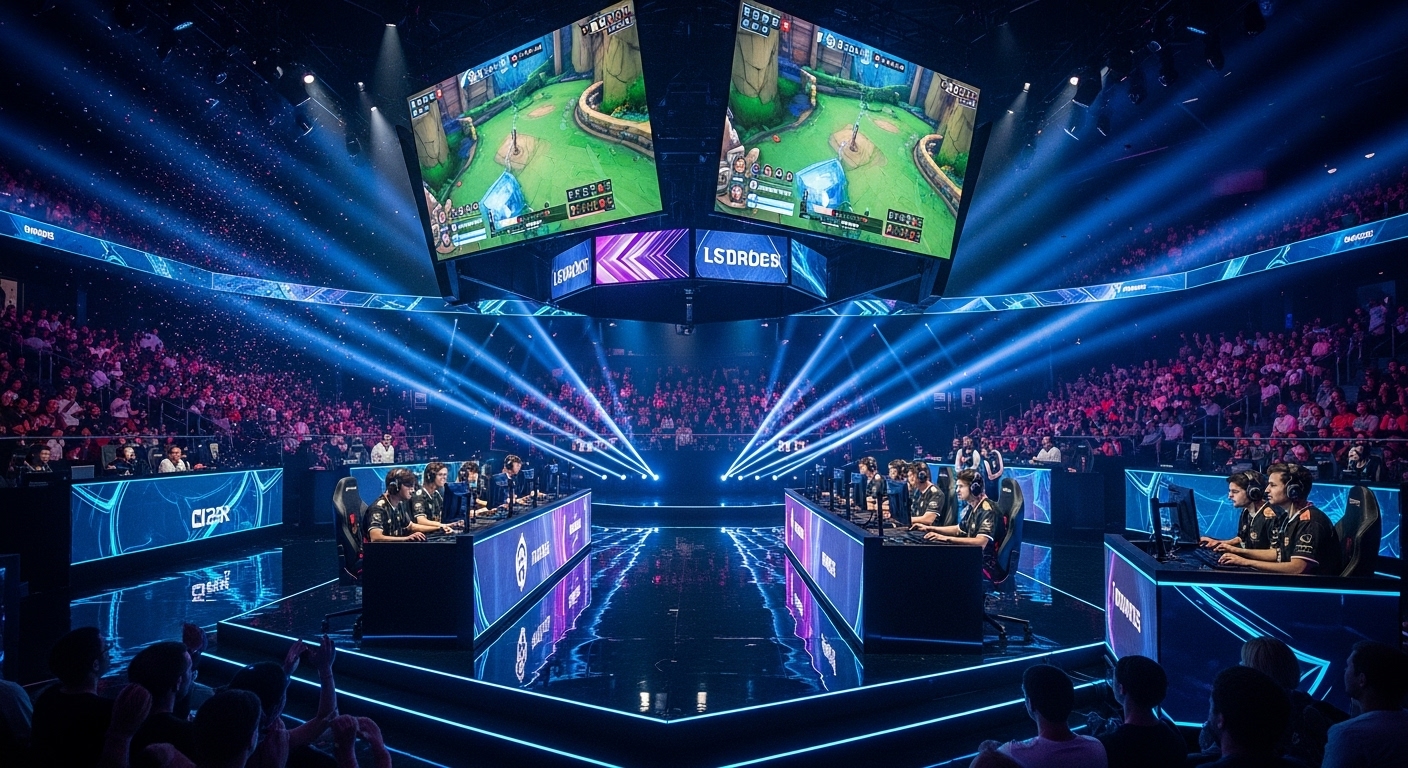
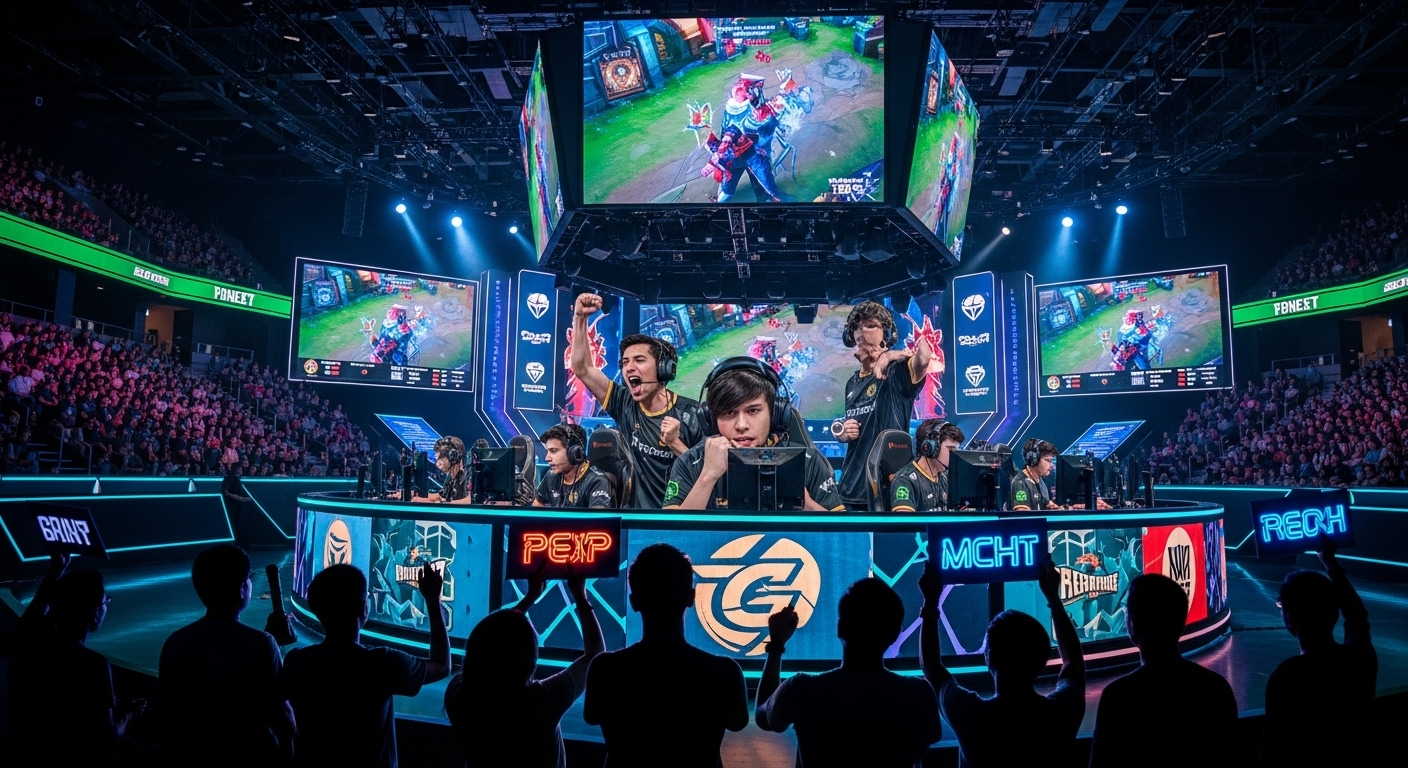
A few decades ago, the idea of millions of people watching others play video games seemed absurd. Games were something people played in their bedrooms or arcades for fun, not a global phenomenon drawing stadium-sized crowds. Yet today, esports—organized, competitive video gaming—has become one of the fastest-growing industries in the world. What started as a niche hobby has evolved into a mainstream form of entertainment, attracting massive audiences, big-name sponsors, and professional athletes who train as seriously as traditional sports stars.
Esports has not only redefined what it means to be an athlete but has also reshaped entertainment, education, technology, and even culture. This post takes you through the fascinating journey of esports—from its humble beginnings to its explosive growth, the people who make it tick, and where it’s heading next.
The Early Days of Competitive Gaming
Long before high-speed internet and global tournaments, video game competitions existed in small pockets. The first known video game tournament took place in 1972 at Stanford University, featuring the game Spacewar. The prize? A year’s subscription to Rolling Stone magazine.
By the 1980s, the arcade era introduced games like Pac-Man, Donkey Kong, and Space Invaders, where players competed for the highest scores. This was when gaming began to develop a competitive spirit. Magazines published leaderboards, and local arcades became battlegrounds for bragging rights.
In 1980, Atari hosted the Space Invaders Championship, attracting over 10,000 participants in the United States—a landmark moment that hinted at what esports could become. Yet, even then, few could have predicted that these early competitions would grow into a billion-dollar global industry.
The 1990s: The Birth of Online Competition
The 1990s marked a technological leap that would change gaming forever: the internet. For the first time, players could compete without being in the same physical space. Games like Quake, StarCraft, and Counter-Strike became early pioneers of online multiplayer experiences.
One of the first major esports events, the Red Annihilation tournament for Quake in 1997, saw players from across the country compete for the grand prize—a Ferrari owned by the game’s creator, John Carmack. That same year, the Cyberathlete Professional League (CPL) was founded, setting the stage for professional-level tournaments and introducing prize money that began to attract serious players.
South Korea also began investing heavily in broadband internet during this decade, giving birth to one of the first esports powerhouses. PC bangs—gaming cafes—popped up across the country, and games like StarCraft became national obsessions. This was where esports as a professional ecosystem truly started to take shape.
The 2000s: The Era of Global Esports
The early 2000s brought about the professionalization of gaming. Esports teams, leagues, and sponsors started to form. Titles like Counter-Strike 1.6, Warcraft III, and Halo became cornerstones of competition.
Major tournaments like the World Cyber Games and Electronic Sports World Cup began attracting international participants and corporate sponsors. The Major League Gaming (MLG) circuit in the United States started hosting events with large-scale production, live audiences, and broadcasting—mirroring the look and feel of traditional sports.
The rise of broadband and the introduction of platforms like YouTube revolutionized how gaming content was shared. Gamers could now watch matches online, replays were easily available, and fan communities flourished. Esports wasn’t just about playing anymore—it was about watching, following, and belonging.
The 2010s: Streaming and Mainstream Explosion
If the 2000s were about growth, the 2010s were about explosion. The launch of Twitch in 2011 was a game-changer. Suddenly, anyone could stream their gameplay to a global audience. Games like League of Legends, Dota 2, and Counter-Strike: Global Offensive became cultural phenomena, with millions tuning in to watch tournaments like The International and the League of Legends World Championship.
Prize pools skyrocketed. The International 2019 for Dota 2 offered over $34 million in total prizes, crowdfunded by the players themselves through in-game purchases. Esports players began earning sponsorships, salaries, and fanbases that rivaled traditional sports stars.
Meanwhile, universities and governments began to take notice. Scholarships for esports athletes became a reality, and some schools even introduced esports management programs. South Korea, China, and the United States became hubs for professional organizations, while Europe caught up fast with powerhouse teams like Fnatic and G2 Esports.
Streaming also democratized fame. It was no longer only about winning tournaments; personalities like Ninja, Shroud, and Pokimane became celebrities, blurring the line between esports and entertainment.
The Games That Shaped Esports
Every sport has its classics—soccer has the World Cup, basketball has the NBA. Esports has its own legendary games that have defined generations and set benchmarks for competition.
League of Legends
Released in 2009 by Riot Games, League of Legends quickly became a global giant. With its free-to-play model and accessible gameplay, it attracted millions of players worldwide. The League of Legends World Championship draws enormous audiences every year, with grand finals filling stadiums and viewership rivaling that of the Super Bowl.
Dota 2
A complex, strategic masterpiece from Valve, Dota 2 became famous for its massive prize pools and dedicated fanbase. Its annual event, The International, remains one of the most prestigious tournaments in esports history.
Counter-Strike
From 1.6 to Global Offensive and now Counter-Strike 2, the franchise has stood as a symbol of consistency in esports. Known for its skill ceiling, tactical depth, and longevity, it remains one of the most-watched and most-respected esports titles.
Fortnite
Epic Games’ Fortnite brought a new demographic into esports with its colorful visuals and battle royale format. The Fortnite World Cup in 2019 turned 16-year-old Bugha into a millionaire overnight and showed the power of new-age esports appeal.
Valorant and Beyond
Newer titles like Valorant, Apex Legends, and Rocket League continue to expand the esports landscape. Developers now design games with competitive integrity and spectator appeal in mind from the very beginning—a testament to how central esports has become to gaming culture.
The Esports Ecosystem
Behind every thrilling tournament and highlight reel lies a complex ecosystem that keeps the esports world running.
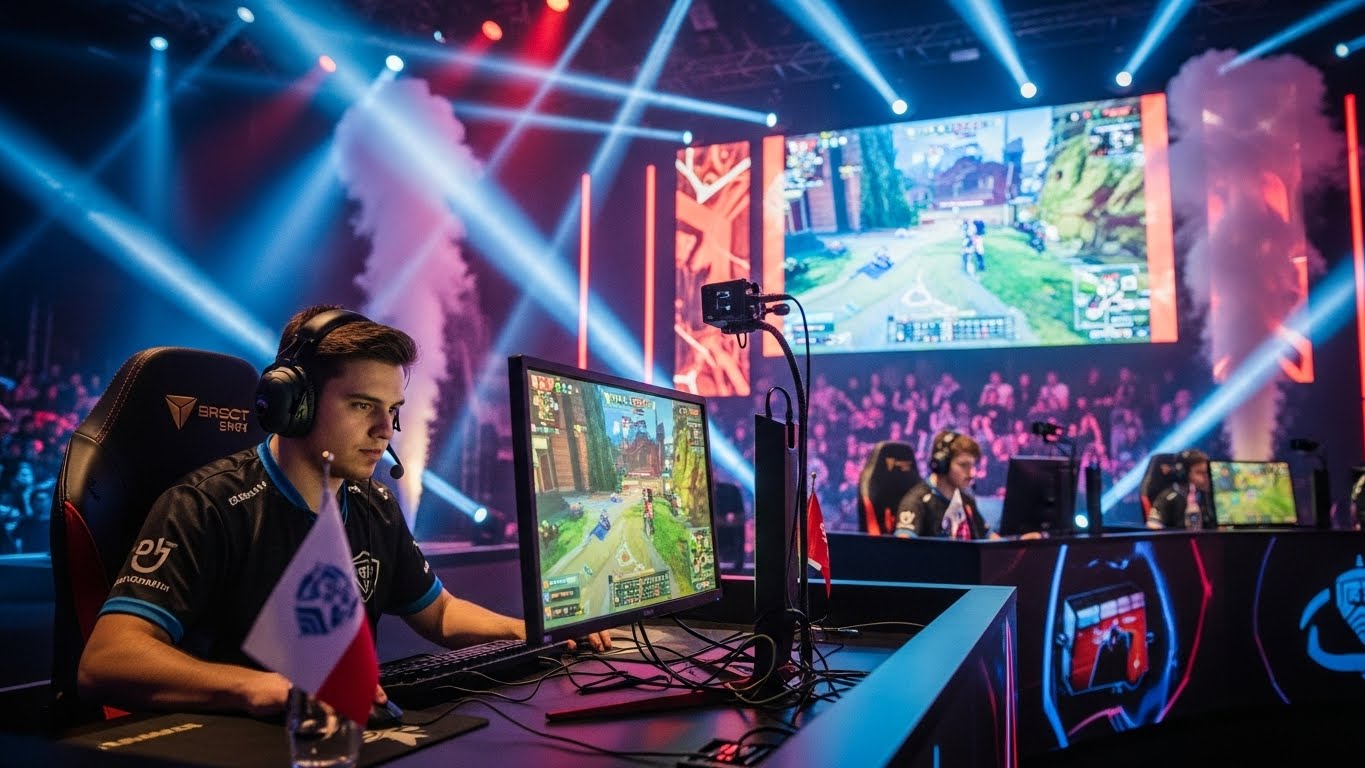
There are players, of course, who dedicate countless hours to training. Many belong to professional teams supported by organizations that handle salaries, travel, and branding. Then there are coaches, analysts, and support staff who study strategies, opponents, and data—turning gaming into a science.
Broadcasters, commentators (known as casters), and production crews bring the games to life for audiences worldwide. Sponsorships from tech companies, energy drink brands, and even car manufacturers provide the financial backbone. And at the center of it all are the fans—the millions who watch, cheer, and discuss every move.
Esports is more than competition; it’s a community. Whether it’s the cheering crowd at an arena in Seoul or the global chat scrolling by on a Twitch stream, esports connects people across borders in real time through shared passion.
Challenges Facing Esports
As with any rapidly growing industry, esports has its challenges.
One of the biggest concerns is player burnout. Professional gamers often train for eight to twelve hours a day, which can lead to both physical and mental health issues. The career span of an esports player is typically much shorter than that of athletes in traditional sports, often ending in their mid-20s.
There are also ongoing discussions about regulation. Since esports isn’t governed by a single body, standards for contracts, salaries, and player rights vary widely between regions and organizations. Match-fixing, cheating, and doping (yes, even in gaming) have also raised questions about integrity and oversight.
Gender diversity remains another challenge. While female gamers are a growing force in casual gaming, professional esports has been slower to achieve gender balance. However, initiatives and all-female tournaments are slowly helping to bridge that gap.
The Economic Impact of Esports
The numbers surrounding esports are staggering. The global esports market has grown into a multi-billion-dollar industry, with revenue streams from sponsorships, media rights, ticket sales, and merchandise.
Streaming platforms have also turned esports into a form of entertainment that rivals TV and film. Major corporations, from Coca-Cola to Mercedes-Benz, now sponsor teams and events. Cities compete to host tournaments, recognizing their potential to attract tourism and global attention.
For players, esports has created real career opportunities—not just as competitors but as coaches, commentators, analysts, and content creators. Colleges are offering scholarships and degrees in esports management, while brands continue to invest heavily in the industry’s future.
Esports and Traditional Sports: Rivals or Partners?
There was a time when esports was seen as a novelty by traditional sports fans. But the lines have blurred dramatically. Major sports organizations like the NBA, NFL, and Premier League have all invested in esports.
NBA franchises have their own NBA 2K League teams. Soccer clubs like PSG, Manchester City, and FC Barcelona sponsor players in games like FIFA and Rocket League. These partnerships have brought credibility, funding, and crossover audiences to both sides.
Meanwhile, many athletes are embracing esports personally. Stars like Neymar, Gordon Hayward, and even Formula 1 drivers stream regularly and participate in tournaments. The fusion of physical and digital competition is creating a new kind of sports culture—one where boundaries don’t exist.
Esports in Education and Culture
Beyond entertainment, esports is finding its place in education and youth development. Schools and universities are recognizing that gaming teaches teamwork, strategy, communication, and leadership.
Programs are being designed to help students understand not just how to play but how to build careers in broadcasting, event management, game design, and marketing. Esports clubs are popping up in high schools around the world, giving young players a chance to compete and learn in structured environments.
Culturally, esports has reshaped how people perceive video games. It’s no longer something to “grow out of.” For millions, it’s a career, a passion, and a legitimate form of expression.
The Future of Esports
Looking ahead, the potential of esports seems limitless. As technology continues to advance, so will the possibilities for competition and engagement. Virtual reality, augmented reality, and the metaverse could redefine how players and audiences interact with games.
Esports will likely continue merging with other industries—music, film, fashion—to create hybrid experiences. We’ve already seen virtual concerts within games like Fortnite and Roblox. The next decade could see entire entertainment ecosystems built around digital worlds.
The question isn’t whether esports will rival traditional sports—it already does. The real question is how far it can go. Will it one day appear in the Olympics? Many believe it’s only a matter of time.
Conclusion
From a handful of students battling it out on primitive screens to millions of fans filling arenas and streaming worldwide, the journey of esports is nothing short of remarkable. It represents not just the evolution of gaming, but the evolution of how we connect, compete, and entertain.
Esports has proven that passion, skill, and community can turn pixels into dreams and that competition, no matter its form, will always inspire. Whether you’re a player, a fan, or a casual observer, it’s hard not to be amazed at what this once-niche hobby has become.
And the story isn’t over. In fact, it’s just getting started.