





Introduction: The Dawn of Competitive Gaming
In the past two decades, video games have evolved from simple forms of entertainment into a global phenomenon that transcends age, geography, and culture. Among these developments, esports has emerged as one of the most dynamic sectors in the digital entertainment landscape. Esports, short for electronic sports, refers to competitive, organized video gaming where professional players compete individually or in teams across various games. What was once considered a niche hobby is now a multimillion-dollar industry, complete with professional leagues, tournaments, sponsorships, and even dedicated fan bases rivalling traditional sports. This blog explores the multifaceted world of esports, its growth trajectory, cultural impact, and what it means for the future of competitive entertainment.
Understanding Esports: More Than Just Gaming
At its core, esports is about skill, strategy, and competition. Unlike casual gaming, which is primarily for leisure, esports demands rigorous practice, mental endurance, teamwork, and a deep understanding of game mechanics. Games in esports span multiple genres, including first-person shooters, multiplayer online battle arenas, real-time strategy games, and sports simulations. Each genre requires different skill sets. For instance, first-person shooters like Call of Duty or Counter-Strike demand reflexes, precision, and spatial awareness, whereas games like League of Legends or Dota 2 require strategic thinking, communication, and coordinated team play.
Esports competitions often feature professional players who treat gaming as a full-time career. These players dedicate hours every day to refining their skills, analyzing gameplay, and coordinating strategies with their teammates. The professionalization of esports has led to the formation of esports organizations, sponsorship deals, and even player contracts, similar to traditional sports teams. This structure has helped esports gain legitimacy as a serious and competitive field.
The Growth of Esports: From Bedrooms to Arenas
Esports has come a long way from the early days of local gaming tournaments and small online communities. The proliferation of high-speed internet, streaming platforms, and global connectivity has been a game-changer. Platforms like Twitch and YouTube Gaming have allowed players to broadcast their gameplay to millions of viewers in real-time, creating a sense of community and engagement around competitive gaming.
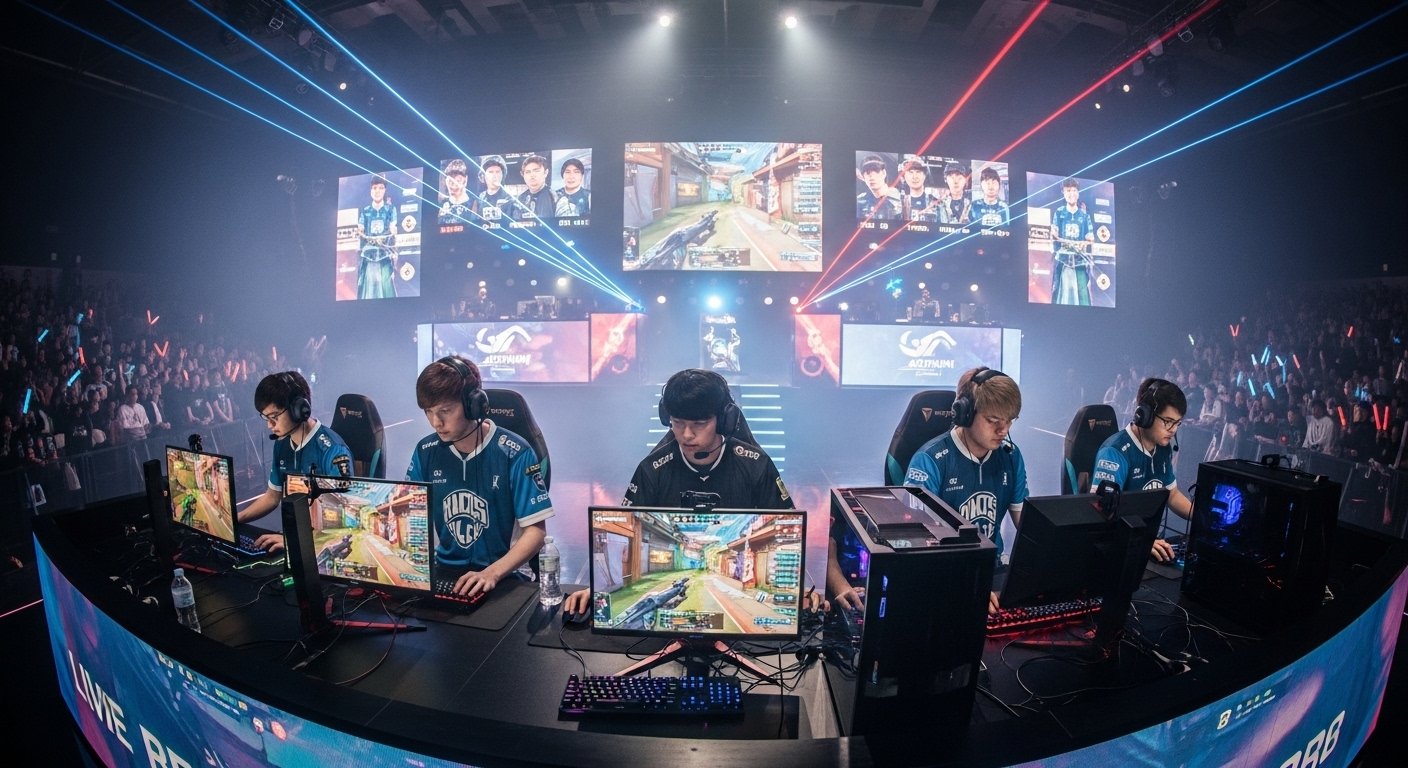
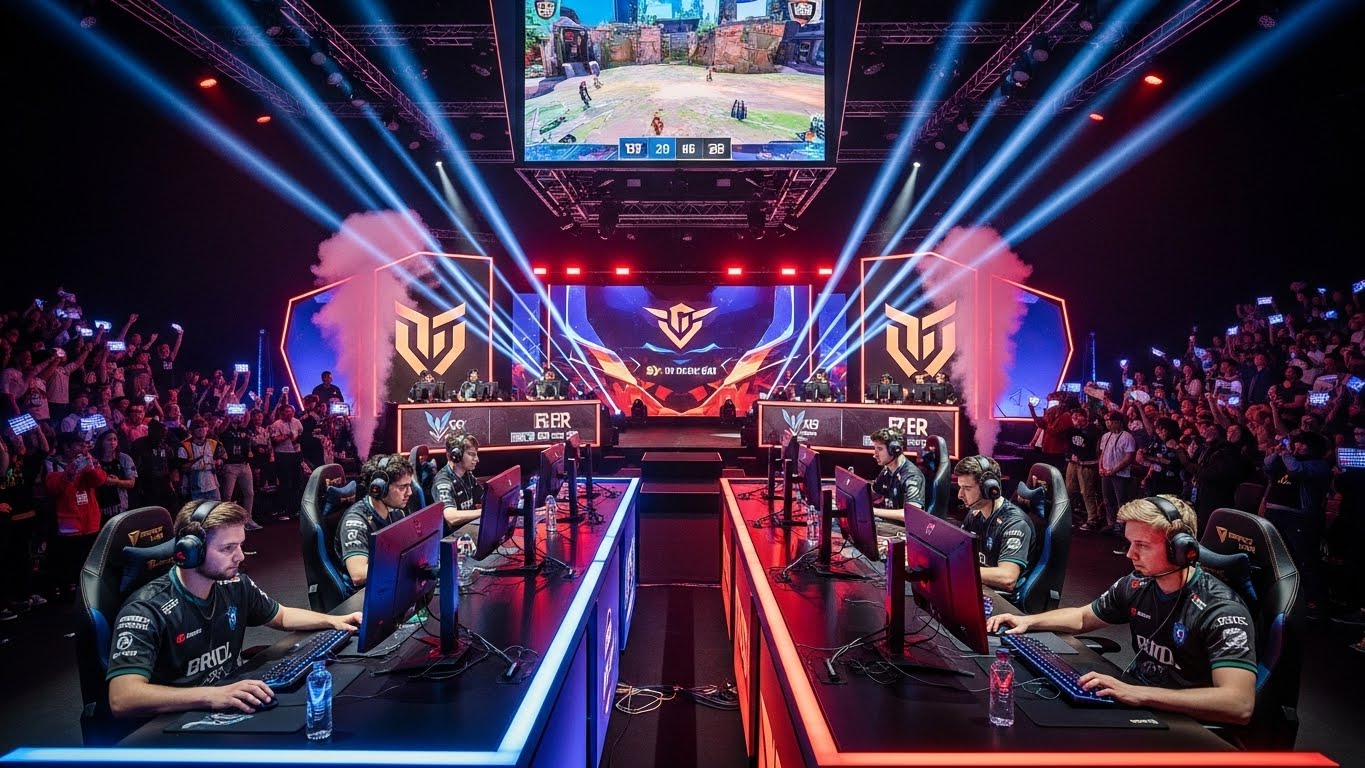
The size of esports audiences is staggering. Millions of fans worldwide follow professional tournaments, cheer for their favorite teams, and even study gameplay strategies themselves. Major esports events now fill massive arenas, rivaling traditional sports championships in terms of audience turnout and excitement. Events like the League of Legends World Championship, Dota 2’s International, and the Fortnite World Cup offer multi-million-dollar prize pools and draw global attention. These tournaments are no longer just competitions; they are full-scale entertainment experiences featuring opening ceremonies, live commentary, fan interactions, and media coverage.
Economic Impact of Esports
The rise of esports has brought substantial economic benefits, turning gaming into a profitable career not only for players but also for organizations, sponsors, and streaming platforms. Revenue streams in esports come from multiple sources: tournament winnings, sponsorships, merchandise sales, advertising, and media rights. Companies across industries, from tech giants to fashion brands, are investing in esports to reach a young, engaged, and digitally-savvy audience.
Professional esports organizations function like traditional sports franchises. They hire players, coaches, analysts, and support staff, offering salaries and incentives based on performance. Sponsorship deals with brands provide additional revenue, while streaming platforms pay for exclusive content rights. Moreover, esports merchandise, including team jerseys, gaming peripherals, and collectibles, adds another layer of economic activity. As the industry continues to grow, experts predict that the global esports market will surpass several billion dollars in the next few years, cementing its place as a legitimate sector in the entertainment economy.
The Cultural Significance of Esports
Esports is more than an economic powerhouse; it has significant cultural implications. It challenges traditional notions of sports, entertainment, and professional achievement. Gamers who dedicate years to mastering their craft are gaining recognition similar to that of traditional athletes. The popularity of esports has also created a new type of celebrity—streamers and professional players whose influence extends beyond the game into fashion, lifestyle, and social media trends.
Furthermore, esports promotes diversity and inclusivity in ways traditional sports sometimes struggle with. While physical sports can be limited by age, gender, and physical ability, esports allows anyone with dedication, skill, and strategy to compete on a level playing field. This democratization of competition has opened doors for people from varied backgrounds and countries to achieve recognition and success. Esports communities are also driving social connections, creating online and offline spaces where fans can share strategies, celebrate victories, and engage in fandom culture.
Challenges Facing the Esports Industry
Despite its rapid growth, esports faces several challenges that could affect its long-term sustainability. One of the most significant issues is the intense pressure on professional players. The demands of training, competition, and public scrutiny can lead to burnout, stress, and mental health issues. Unlike traditional sports, esports requires prolonged hours of screen time, which can also contribute to physical strain, such as eye fatigue and repetitive stress injuries.
Another challenge is regulation and standardization. Esports is a global industry with multiple governing bodies, game developers, and tournament organizers, each with their own rules and standards. This can lead to inconsistencies in gameplay regulations, cheating prevention, and player rights. Additionally, the industry faces concerns regarding fair compensation, contract disputes, and the need for clearer labor protections for players and support staff.
The commercialization of esports also brings its own set of dilemmas. While sponsorships and advertising provide revenue, there is a risk of prioritizing profit over player well-being, fair competition, or community integrity. Maintaining a balance between growth, entertainment, and ethical responsibility is crucial for the industry’s future.
The Role of Technology in Esports
Technology is the backbone of esports, from high-performance gaming hardware to cutting-edge streaming platforms. Competitive gaming requires fast computers, high-refresh-rate monitors, low-latency internet connections, and precision peripherals to ensure optimal performance. Beyond hardware, software advancements such as AI-driven analytics, game replays, and performance tracking tools allow players to refine strategies and gain competitive advantages.
Streaming technology has also revolutionized the esports experience. Fans can watch live tournaments from anywhere in the world, interact with players through chat, and participate in virtual communities. Virtual reality and augmented reality are beginning to play a role in creating immersive esports experiences, while advancements in cloud gaming could make high-level competitive gaming more accessible to a broader audience. Technology not only enhances gameplay but also strengthens the connection between players and fans.
Esports and Education: Nurturing the Next Generation
Recognizing the growing significance of esports, educational institutions have started integrating it into their programs. High schools and universities now offer esports teams, scholarships, and courses focused on game design, esports management, and digital strategy. This educational involvement legitimizes esports as a career path and provides students with practical skills that extend beyond gaming, including teamwork, communication, strategic thinking, and event management.
Esports in education also encourages healthy competition and collaboration. Students learn how to set goals, manage time effectively, and cope with pressure—skills that are valuable in any professional field. The emergence of academic esports programs reflects society’s acknowledgment of gaming as a serious and productive pursuit, further solidifying the cultural and economic importance of the industry.
The Future of Esports: Opportunities and Innovations
Looking ahead, the future of esports is filled with possibilities. As technology continues to evolve, esports may become more immersive, interactive, and accessible. The integration of virtual reality, augmented reality, and AI could redefine the way competitions are conducted and experienced. International collaborations and cross-platform tournaments may become standard, creating a truly global esports ecosystem.
Moreover, esports could see further mainstream acceptance, including inclusion in multi-sport events and broader media coverage. The professionalization of esports will likely expand, offering players longer career lifespans, better compensation, and improved support systems. Brands and organizations will continue to invest in esports as a marketing platform, further driving innovation and economic growth.
Importantly, the social impact of esports will continue to grow. Online communities, fan engagement, and digital content creation will play a critical role in shaping the culture around competitive gaming. As esports matures, it will likely redefine entertainment, competition, and digital culture in ways that extend far beyond the game itself.
Conclusion: Esports as a Cultural and Economic Force
Esports is no longer a passing trend or niche hobby. It is a legitimate industry, a cultural movement, and a new frontier of competition. From professional players and massive tournaments to educational programs and technological innovations, esports has become a multifaceted phenomenon with global reach. The rise of digital gladiators symbolizes the power of skill, strategy, and human creativity in a virtual arena.
As esports continues to grow, it challenges traditional perceptions of sports, entertainment, and professional achievement. It fosters global communities, drives economic opportunities, and pushes the boundaries of what digital technology can achieve. For those willing to engage, whether as players, fans, or industry professionals, esports represents not just a game, but a dynamic and evolving world full of opportunities, challenges, and inspiration. The digital battlefield has arrived, and its impact is only beginning to unfold.