





The world of competitive gaming, popularly known as Esports, has undergone an extraordinary transformation over the last two decades. Once considered a niche hobby, it has now evolved into a global phenomenon attracting millions of fans, professional players, and corporate sponsorships. Esports is more than just playing video games; it is a cultural movement, a career path, and a multi-billion-dollar industry that rivals traditional sports in terms of viewership and engagement.
Understanding Esports
Esports refers to organized, multiplayer video game competitions, particularly between professional players, individually or as teams. Unlike casual gaming, Esports demands a high level of skill, strategic thinking, and rigorous training. Popular games such as League of Legends, Dota 2, Counter-Strike: Global Offensive, Fortnite, and Valorant dominate the professional circuits, drawing players from all corners of the globe.
The rise of Esports is deeply intertwined with advancements in technology, internet connectivity, and live-streaming platforms. The accessibility of online gaming allows anyone with a computer or console to participate, compete, and spectate. This democratization of gaming has turned Esports into an inclusive ecosystem where talent can rise from obscurity to global fame in a matter of months.
The History of Esports
The history of Esports dates back to the early 1970s when competitive video gaming began in arcades. One of the first documented competitions was the Space Invaders Championship held in 1980, attracting thousands of participants. Throughout the 1980s and 1990s, local tournaments and arcade competitions laid the groundwork for modern competitive gaming.
The real transformation began in the late 1990s with the advent of internet gaming. Titles like StarCraft in South Korea created a professional league structure, turning gamers into celebrities. South Korea’s emphasis on professional gaming sparked a cultural shift, recognizing gaming as a legitimate form of competition. By the early 2000s, Esports tournaments began to emerge globally, with games like Counter-Strike and Warcraft III leading the charge.
The Global Esports Ecosystem
Esports today is a multifaceted industry encompassing players, teams, tournament organizers, streaming platforms, sponsors, and fans. Professional players are akin to traditional athletes, dedicating hours each day to training, strategy development, and teamwork. Esports teams operate much like football or basketball teams, with coaching staff, analysts, and management overseeing every aspect of performance.
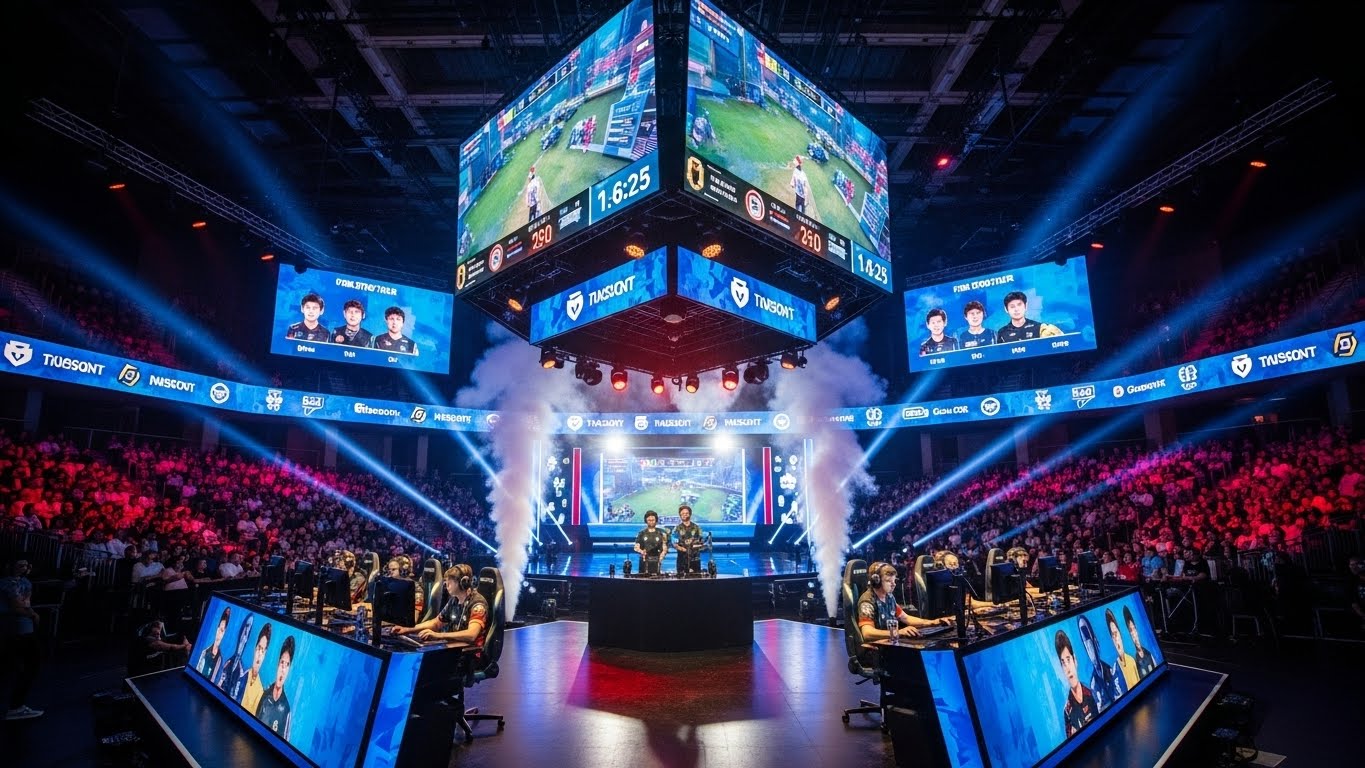
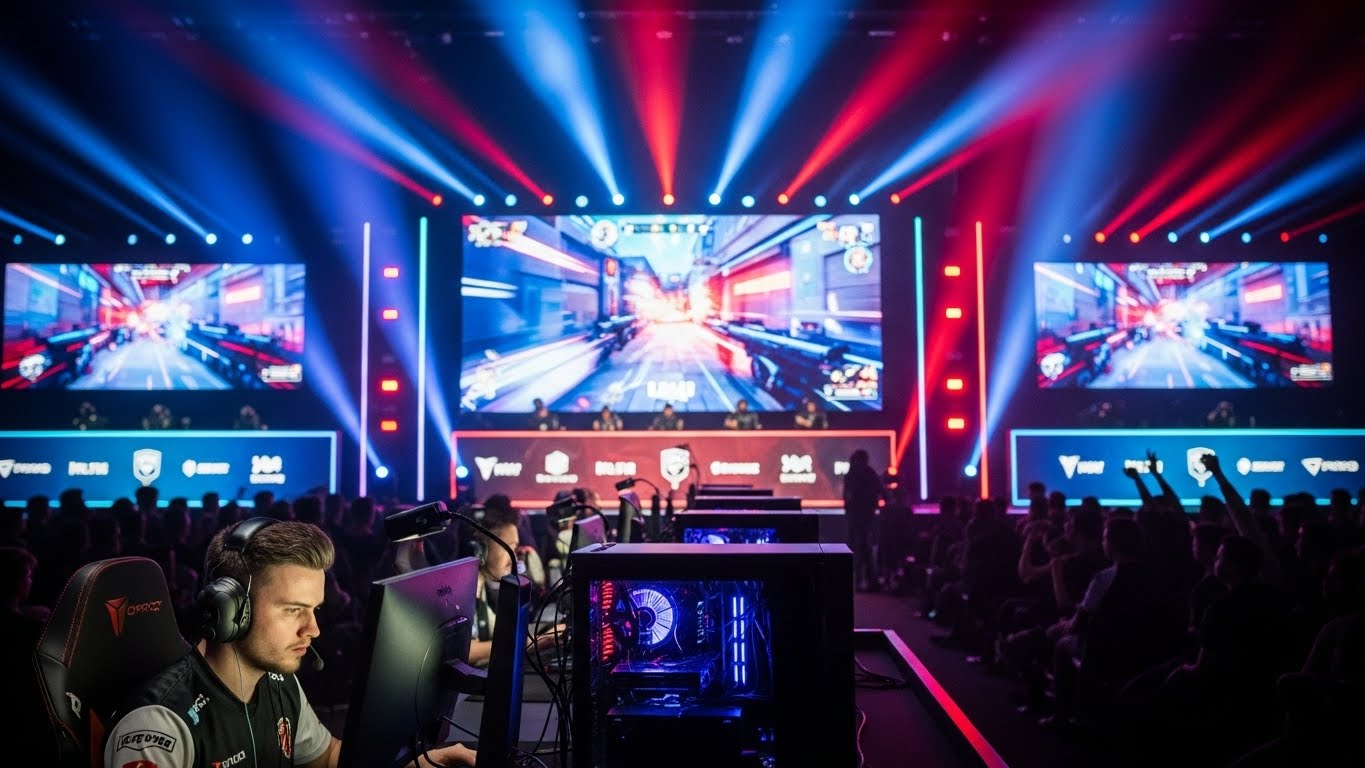
Tournaments have evolved from small LAN parties to massive events held in arenas with live audiences. Premier events like The International for Dota 2, League of Legends World Championship, and Fortnite World Cup offer prize pools in the millions, attracting global attention. Additionally, online streaming platforms such as Twitch, YouTube Gaming, and regional services allow fans to watch matches live, fostering a sense of community and engagement.
The Business of Esports
The Esports industry is fueled by a combination of sponsorships, advertising, merchandise, media rights, and prize money. Leading brands such as Intel, Red Bull, Nike, and technology companies invest heavily in Esports, recognizing its marketing potential among younger, tech-savvy audiences. Sponsorship deals often include team apparel, equipment endorsements, and event branding.
Esports organizations have also embraced merchandising, selling team jerseys, branded peripherals, and other fan-centric products. Streaming and broadcasting provide additional revenue streams, with popular streamers and players monetizing their audiences through subscriptions, donations, and advertisements. The business model of Esports is diverse and rapidly expanding, with projected revenue reaching billions annually.
The Player Experience
Becoming a professional Esports player requires discipline, skill, and mental resilience. Unlike casual gamers, professionals follow rigorous training schedules, which may include strategy review, physical exercise, reflex training, and team practice. Players often specialize in specific roles within a game, requiring them to master complex mechanics and adapt to evolving strategies.
Mental health and performance management are crucial aspects of Esports. Competitive stress, long hours, and public scrutiny can take a toll on players. Many organizations now provide psychological support, nutrition guidance, and wellness programs to maintain peak performance. Success in Esports is not merely about gaming talent; it is about dedication, teamwork, and mental fortitude.
Esports and Technology
Technology plays a pivotal role in the growth of Esports. High-speed internet, advanced gaming hardware, and streaming technology have made competitive gaming accessible to millions worldwide. Innovations such as virtual reality (VR) and augmented reality (AR) are pushing the boundaries of what is possible in Esports, creating immersive experiences for both players and fans.
Moreover, data analytics has become a cornerstone of professional gaming. Teams analyze vast amounts of gameplay data to optimize strategies, predict opponent behavior, and improve decision-making. Artificial intelligence and machine learning tools are also being integrated into training programs, further professionalizing the sport.
Cultural Impact of Esports
Esports has significantly influenced popular culture, fashion, music, and media. The rise of gaming celebrities has created new role models for young audiences, while streaming personalities have cultivated communities that transcend geographic boundaries. Cosplay, fan art, and online forums have become integral parts of Esports culture, fostering creativity and collaboration.
Esports also challenges traditional perceptions of sports. It demonstrates that competition and athleticism are not confined to physical prowess but can include mental agility, reflexes, and strategy. This shift has opened doors for new generations to pursue careers in competitive gaming without stigma.
Esports in Education
Esports is increasingly being integrated into educational programs. Many universities now offer Esports scholarships, degrees in game design, and competitive gaming clubs. These programs emphasize teamwork, strategic thinking, and digital literacy, providing students with valuable skills for future careers.
High schools and community organizations are also establishing Esports programs, recognizing their potential to engage students in positive, structured activities. By fostering both competition and collaboration, Esports in education encourages critical thinking, leadership, and communication skills.
Challenges Facing Esports
Despite its rapid growth, Esports faces several challenges. Issues such as cheating, doping, harassment, and lack of regulation threaten the integrity of competitions. Players often face mental health pressures, burnout, and career instability due to the short lifespan of professional gaming careers.
Additionally, monetization and sustainability are ongoing concerns. While top-tier players earn substantial incomes, lower-tier professionals struggle to make a living. Establishing consistent revenue streams and fair compensation remains a critical challenge for the industry.
The Future of Esports
The future of Esports looks promising, with continued expansion in technology, audience engagement, and global reach. Mobile Esports, in particular, is experiencing rapid growth, making competitive gaming accessible to billions of smartphone users worldwide. Cloud gaming and next-generation consoles are likely to further democratize participation.
Esports may also integrate more deeply with traditional sports, entertainment, and media industries. Partnerships with major sports leagues, celebrity endorsements, and cross-media events are becoming increasingly common. The ongoing professionalization of Esports suggests that it will continue to mature as an industry, solidifying its place in global culture.
Conclusion
Esports has come a long way from its humble beginnings in arcades and local tournaments. It is now a global powerhouse, combining technology, entertainment, and competitive spirit in ways that were unimaginable a few decades ago. The industry offers opportunities for players, fans, and businesses alike, while shaping the future of digital culture and competition.
As technology continues to evolve, so too will Esports, opening new avenues for creativity, engagement, and professional growth. The rise of Esports is not just a trend; it is a revolution, redefining what it means to compete, watch, and celebrate excellence in the digital age.