




Introduction
Esports, or competitive gaming, has rapidly transformed from a niche hobby into a global cultural phenomenon. What started as small competitions among friends or local gaming tournaments has evolved into a multi-billion-dollar industry with professional leagues, international championships, and millions of viewers worldwide. Esports is not just about playing video games; it is about strategy, teamwork, skill, and performance under pressure. It has created new career paths, reshaped entertainment, and fostered communities that span across the globe. Understanding esports is essential to understanding how gaming has become a central part of modern culture.
The Origins of Esports
The roots of esports trace back to the late 1970s and 1980s with arcade competitions for games like Space Invaders and Pac-Man. These early contests were small in scale, often organized locally, yet they laid the foundation for competitive gaming. By the 1990s, games such as StarCraft, Quake, and Counter-Strike brought strategy, skill, and teamwork to the forefront. These games demanded precision, quick thinking, and coordination, and they began to attract dedicated players and spectators.
The development of high-speed internet in the early 2000s allowed competitive gaming to go online, enabling players from different parts of the world to face off in real time. Online tournaments, live streaming, and online communities laid the groundwork for esports as we know it today. What was once a small subculture became a worldwide phenomenon, setting the stage for professionalization and mainstream recognition.
The Competitive Nature of Esports
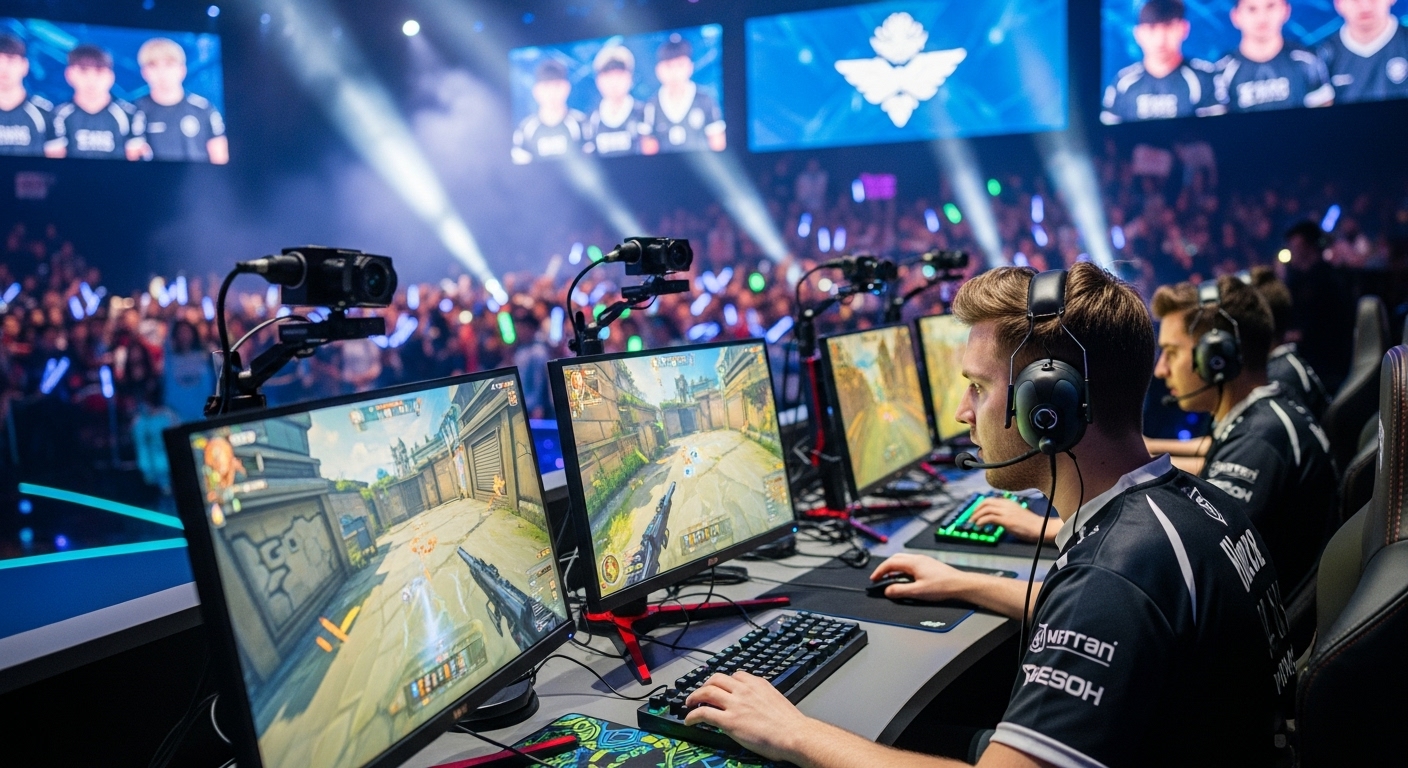
Esports is far more than casual gaming. It requires deep strategy, coordination, and mental endurance. Players must understand game mechanics, anticipate opponents’ actions, and make split-second decisions that could determine the outcome of a match. The competitive nature of esports mirrors traditional sports, where preparation, practice, and performance under pressure are critical.
Different genres of games demand different skill sets. First-person shooters emphasize precision, reaction time, and spatial awareness. Multiplayer online battle arenas focus on strategic planning, resource management, and team coordination. Fighting games require timing, reflexes, and psychological insight. Across all genres, esports challenges the mind and the body, requiring both tactical intelligence and dexterity.
Professionalization of Esports
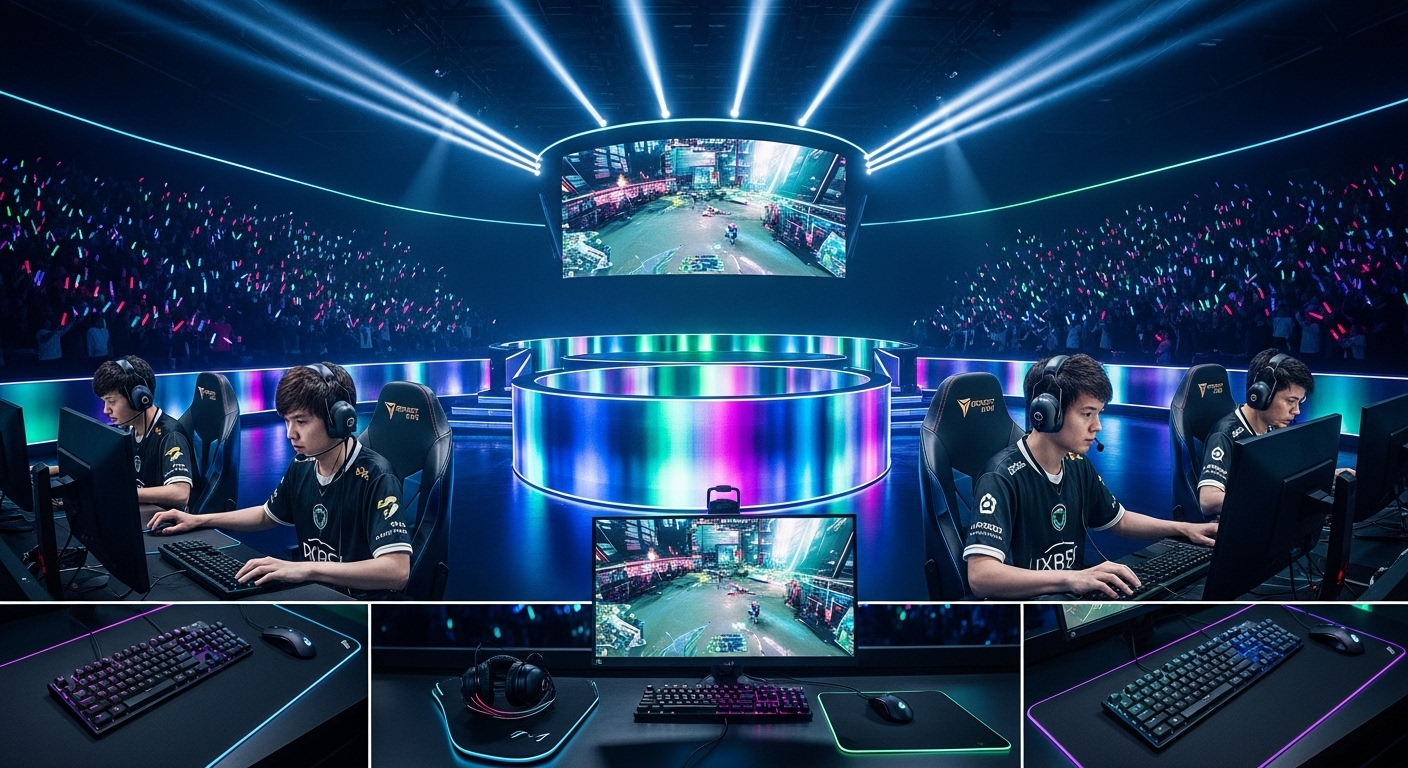
The growth of esports has led to the professionalization of competitive gaming. Professional players train rigorously, often following structured daily routines similar to traditional athletes. Teams hire coaches, analysts, nutritionists, and mental performance specialists to ensure players perform at their best. Players compete in regional, national, and international leagues, often earning salaries, prize money, and sponsorship deals.
Universities and colleges have also recognized esports as a legitimate career path, offering scholarships and programs that allow students to compete while pursuing higher education. The professionalization of esports legitimizes gaming as a career, creating opportunities not only for players but also for commentators, content creators, analysts, and event organizers who contribute to the industry.
The Spectator Experience
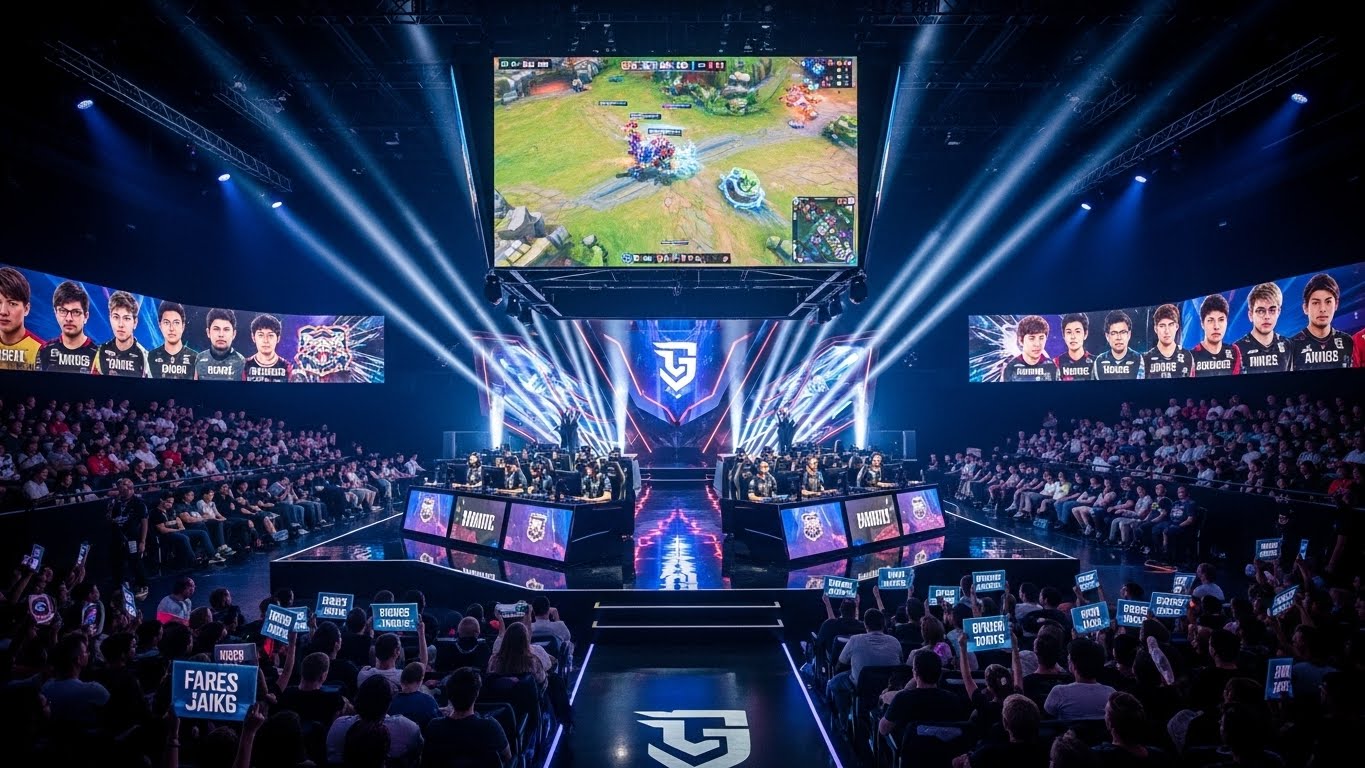
Spectatorship is an essential element of esports culture. Millions of fans watch tournaments, live streams, and highlight videos. Platforms like Twitch and YouTube have revolutionized how fans engage with esports, allowing real-time interaction with players and other viewers. The audience experience is enhanced by professional commentary, in-depth analysis, and dynamic production values.
Esports spectators often engage in discussions about strategies, predict outcomes, and celebrate standout performances. This active participation fosters a sense of community and shared excitement, similar to traditional sports. The experience is social as much as it is competitive, with fans forming friendships and networks centered around their favorite games, teams, and players.
Streaming and Content Creation
Streaming has been a key driver of esports growth. Players broadcast their gameplay, share tips, and engage with audiences, building personal brands and fan followings. Content creation goes beyond live streams and includes tutorials, highlight reels, interviews, and behind-the-scenes footage. This creates a continuous cycle of engagement, keeping audiences invested even outside of competitive matches.
The combination of gameplay, commentary, and fan interaction has created a unique form of entertainment. Fans not only watch esports but actively participate in the culture, discussing strategies, sharing content, and supporting their favorite players. Streaming has transformed esports into an interactive and community-driven industry.
Economic Impact of Esports
Esports has grown into a multi-billion-dollar industry. Revenue comes from sponsorships, advertising, ticket sales, merchandise, media rights, and in-game purchases. Major brands see esports as a prime marketing opportunity, targeting engaged and digitally savvy audiences.
The economic impact extends beyond professional players. Game development, broadcasting, event management, and content creation all benefit from esports’ growth. The industry has created numerous job opportunities and entrepreneurial ventures, contributing to the global economy while shaping the entertainment landscape.
Community and Social Engagement
Community is at the heart of esports. Players, fans, and creators form networks that transcend geography and culture. Online forums, fan groups, and live events provide spaces for interaction, collaboration, and shared experiences.
Esports communities also play a role in shaping the industry. Feedback from fans influences game design, tournament formats, and broadcasting practices. Unlike traditional sports, esports audiences are active participants, helping to steer the culture, development, and future of competitive gaming.
Cognitive and Psychological Benefits
Participating in esports can enhance cognitive skills such as problem-solving, strategic thinking, and multitasking. Many games require players to analyze complex situations, plan actions, and adapt strategies in real time.
Esports also teaches resilience and emotional intelligence. Players learn to manage pressure, handle losses gracefully, and improve through continuous practice. Team-based games encourage communication, leadership, and collaboration. The mental and social skills gained through esports can be applied to other areas of life, demonstrating that gaming offers more than entertainment—it is a tool for personal development.
Educational Opportunities in Esports
Esports is increasingly recognized as an educational tool. Schools and universities offer programs that teach teamwork, leadership, digital literacy, and strategic thinking. Scholarships allow students to pursue higher education while competing in tournaments.
Esports education also covers media production, event management, and technology, giving students practical experience in the industry. By blending gaming with learning, esports programs prepare students for careers in a growing and dynamic field.
Diversity and Inclusion
Esports offers an inclusive platform where players of different genders, cultures, and backgrounds can compete on an equal footing. Many organizations promote gender equality, accessibility, and anti-toxicity initiatives to foster safe and welcoming environments.
Diversity enriches esports by bringing new perspectives, strategies, and creative approaches. Inclusive practices ensure that esports communities are sustainable and representative of the global audience, encouraging participation from all demographics.
Challenges Facing Esports
Despite its rapid growth, esports faces challenges. Player burnout, mental health concerns, toxic behavior, and cheating are ongoing issues. Professional players often endure long hours, intense scrutiny, and high-pressure competition, making wellness initiatives crucial.
The industry also faces regulatory challenges. Ensuring fair play, establishing ethical sponsorship practices, and maintaining community standards are essential for the long-term credibility and sustainability of esports.
The Future of Esports
The future of esports is full of potential. Advances in virtual reality, augmented reality, and artificial intelligence promise more immersive and interactive experiences. Cross-platform play and mobile esports will make competitive gaming even more accessible, while international leagues and tournaments will expand global participation.
Esports will continue to blur the lines between entertainment, education, and professional competition. It will inspire creativity, foster community, and provide opportunities for personal and professional growth. The industry is poised to shape the future of digital entertainment, creating new ways for people to connect, compete, and collaborate.
Conclusion
Esports has redefined what it means to compete, connect, and create in the digital age. It combines strategy, skill, teamwork, and entertainment while fostering global communities and providing career opportunities. Beyond competition, esports teaches resilience, collaboration, and problem-solving, demonstrating its impact on both personal development and culture.
As esports continues to grow, it will further integrate technology, community, and entertainment, influencing how people interact with digital content and each other. It is no longer just about playing games—it is about creating experiences, building connections, and celebrating achievement in the digital world. Esports is a testament to the power of competition, creativity, and community in the modern era.