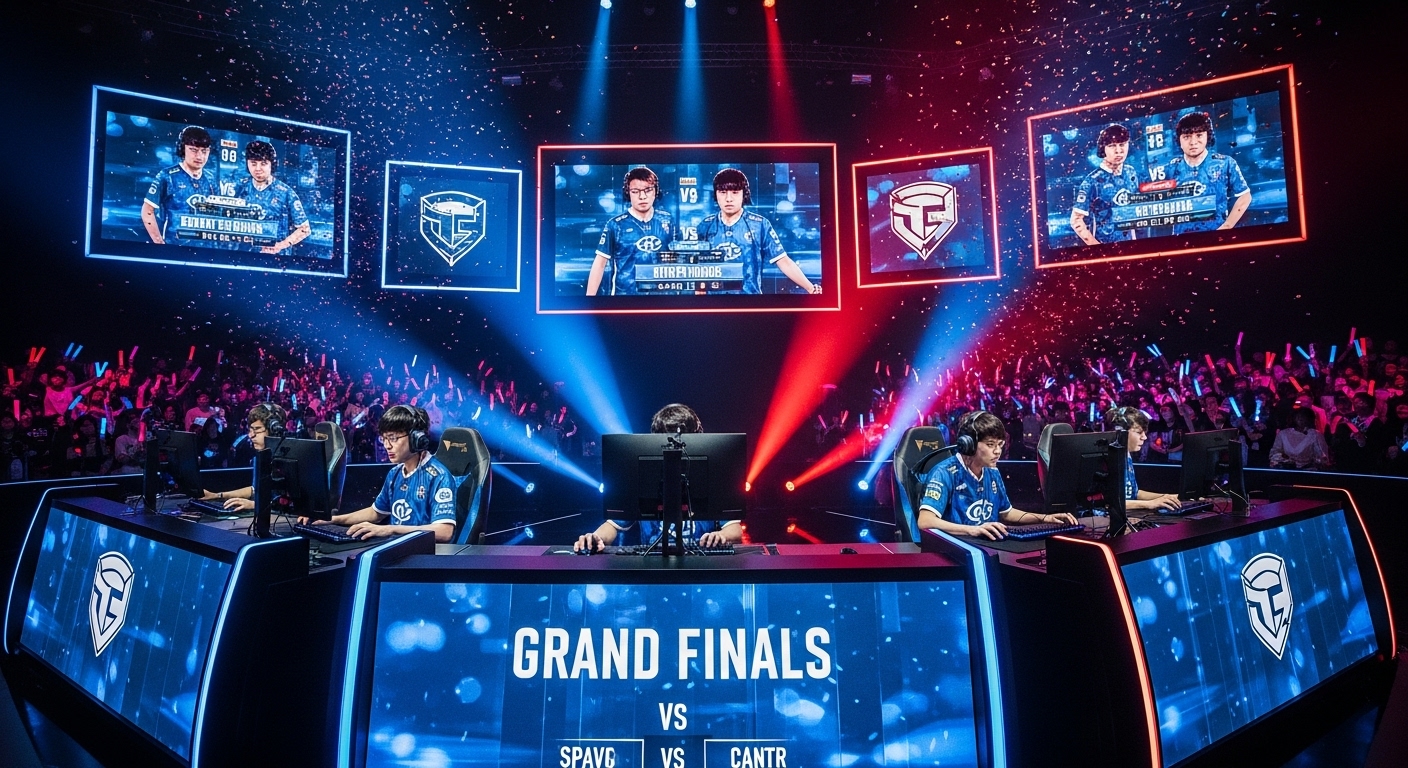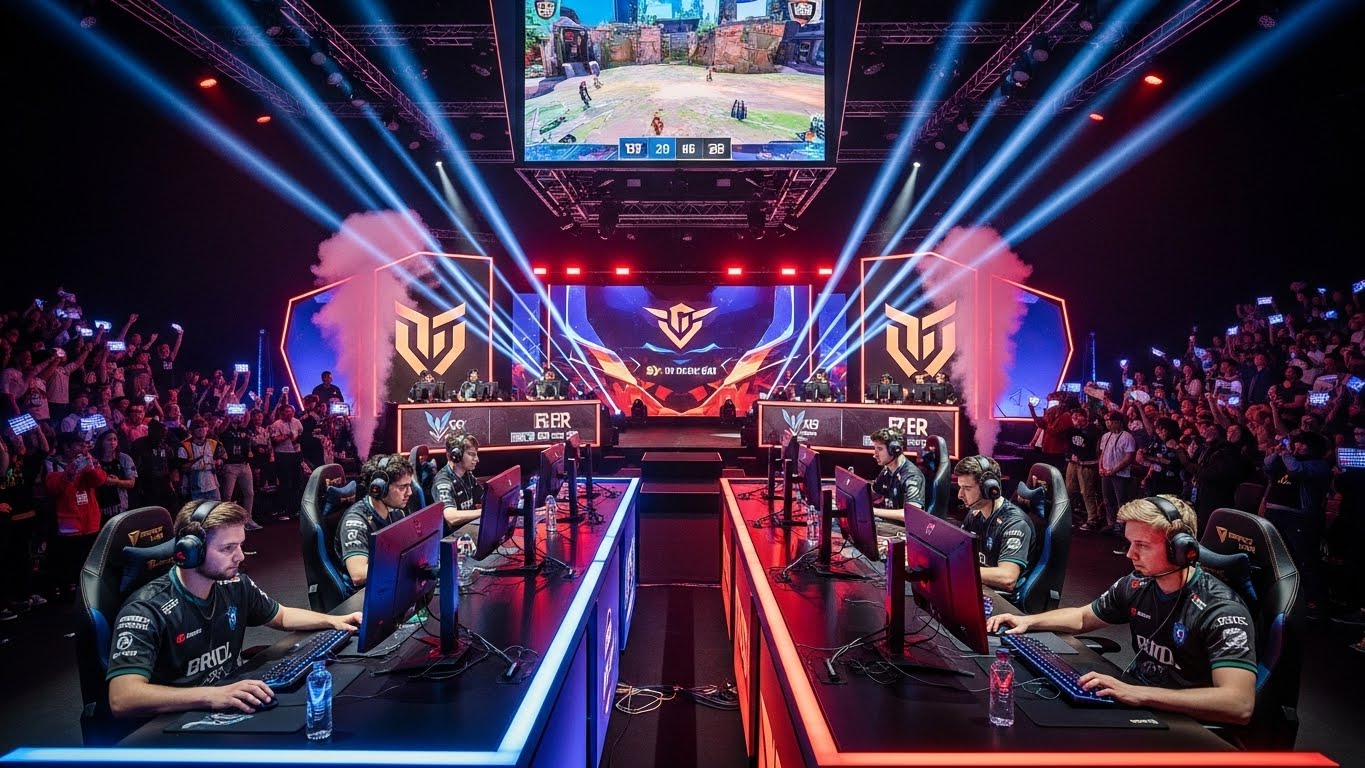





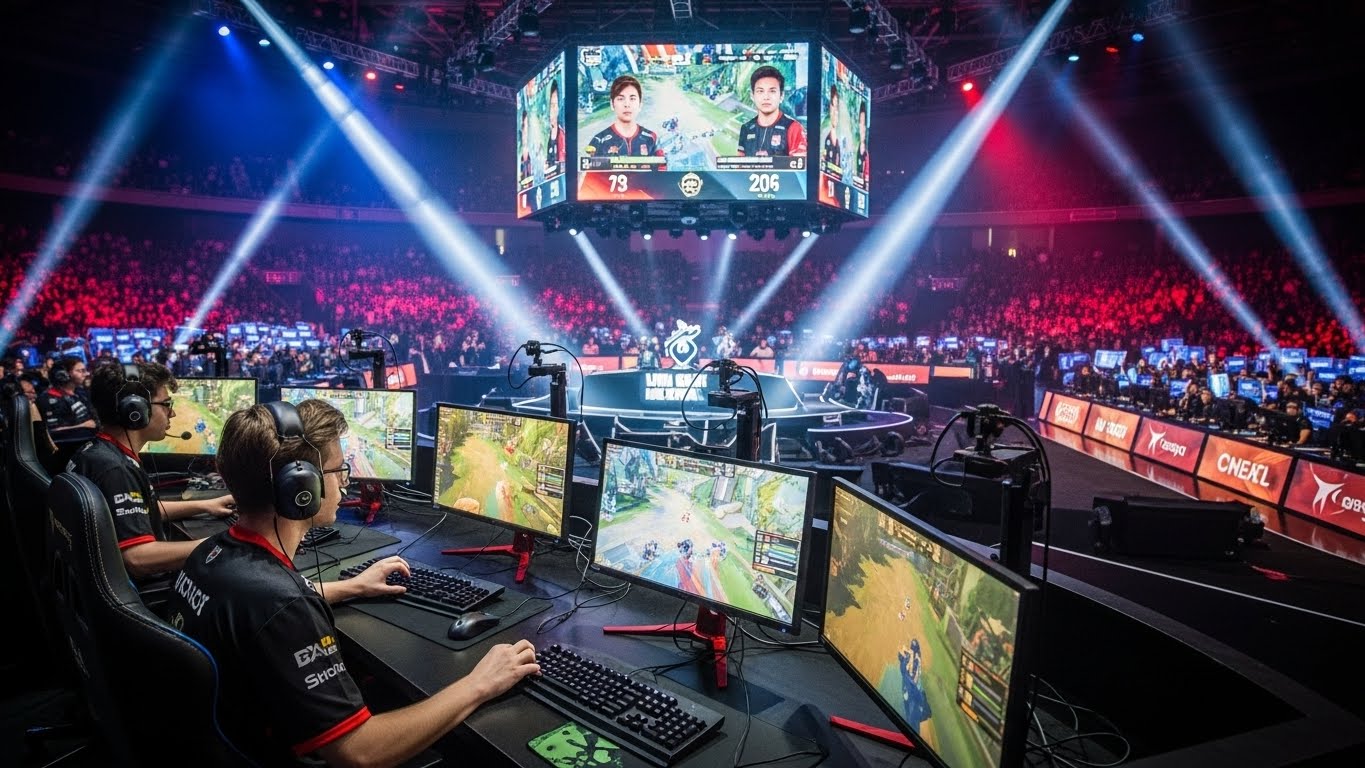
Esports, or competitive video gaming, has grown from a niche hobby to a global phenomenon. What once started as a hobby for a select group of gamers has now blossomed into a multi-billion-dollar industry. Esports tournaments are filling arenas, attracting millions of viewers online, and players are becoming celebrities in their own right. In this blog post, we’ll dive into the world of esports, exploring its meteoric rise, its cultural impact, and the future of competitive gaming.
The Origins of Esports: From Arcades to Global Tournaments
The concept of competitive gaming isn’t as new as some may think. While today’s esports are largely associated with massive online platforms and high-production events, the roots of esports can be traced back to the 1970s and 1980s. Early video games like Pong, Space Invaders, and Pac-Man had a profound impact on gaming culture. In the late 1980s, competitions for games like Street Fighter and NBA Jam began to take place in arcades, setting the foundation for organized, competitive play.
However, it wasn’t until the late 1990s and early 2000s that esports as we know it began to emerge. With the advent of high-speed internet and more sophisticated gaming technology, players were able to compete in games like StarCraft, Quake, and Counter-Strike across networks. The Cyberathlete Professional League (CPL), founded in 1997, was one of the first major esports leagues to organize tournaments with prize money, offering a glimpse of the future potential of competitive gaming.
The rise of online gaming platforms like Battle.net and Steam, coupled with the success of games like League of Legends and Dota 2, helped propel esports into the mainstream in the 2010s. Events like The International and League of Legends World Championship have drawn millions of viewers, turning esports into a legitimate form of entertainment with an enormous global following.
Esports Today: A Multi-Billion-Dollar Industry
Fast forward to today, and esports has become a multi-billion-dollar industry. According to industry reports, the global esports market was valued at over $1 billion in 2023, with projections showing continued growth in the coming years. This surge in revenue is driven by several key factors: sponsorships, media rights, advertising, merchandise sales, and, most importantly, the massive viewership that competitive gaming commands.
Major esports tournaments now rival traditional sports in terms of viewership. The League of Legends World Championship, for instance, regularly attracts more than 100 million viewers, surpassing the Super Bowl in terms of total viewership. Esports events are broadcast on major streaming platforms like Twitch, YouTube Gaming, and Facebook Gaming, while traditional television networks like ESPN have also begun to air esports events, further cementing esports’ place in mainstream entertainment.
Sponsorship deals have also played a crucial role in the financial success of esports. Major global brands such as Coca-Cola, Intel, Nike, and Red Bull have entered the esports space, sponsoring teams, tournaments, and even individual players. This corporate investment has helped fuel the industry’s growth and has created a viable career path for professional gamers.
The Players: From Passionate Gamers to Professional Athletes
One of the most fascinating aspects of esports is the rise of professional players who are revered as athletes in their own right. While traditional sports require physical prowess, esports players must possess an entirely different set of skills, including hand-eye coordination, strategic thinking, communication, and mental fortitude.
In many ways, the best esports players are just as dedicated to their craft as professional athletes in any traditional sport. The top players often practice for hours each day, refining their skills, studying game strategies, and participating in scrims (practice matches). They work with coaches, analysts, and even psychologists to improve their gameplay and maintain peak performance.
The lifestyle of a professional esports player is demanding. Tournaments often take place across the globe, and the pressure to perform can be immense. The most successful players can earn substantial incomes, not only through prize money but also through sponsorships, streaming revenues, and merchandise sales. Some of the top-tier players, like Faker from League of Legends or Ninja from Fortnite, have become global celebrities, amassing millions of followers on social media and appearing in mainstream media outlets.
Despite the rewards, the life of an esports player is not without its challenges. Career longevity can be short-lived, with many professional players retiring in their mid-20s due to the mental and physical strain of constant practice. However, many former players transition into roles as coaches, analysts, streamers, or content creators, maintaining their presence in the esports ecosystem.
Esports as a Cultural Phenomenon: Connecting a Global Community
One of the most powerful aspects of esports is its ability to connect people from different cultures and backgrounds. Unlike traditional sports, which are often geographically limited, esports allows people from all corners of the world to come together and compete in a shared digital space. This global nature has led to the formation of diverse communities centered around games like League of Legends, Counter-Strike: Global Offensive, Valorant, and Overwatch.
Esports also serves as a platform for social interaction, offering players a way to build friendships, communicate, and form teams. Online multiplayer games create a sense of camaraderie, where individuals from all over the world can form teams and compete against others in ranked matches or tournaments. This has led to the formation of a unique digital subculture where players share tips, memes, and game-related content.
Moreover, esports has helped to break down barriers between generations. While gaming was once seen as a hobby for young people, competitive gaming has brought players of all ages together. It’s not uncommon for players in their 30s or 40s to compete in professional tournaments or stream their gameplay to thousands of followers, demonstrating that esports is not just for the younger generation.
Esports in Traditional Sports and Entertainment
The increasing popularity of esports has also caught the attention of traditional sports organizations, with many looking to integrate esports into their business models. Several major sports leagues, including the NFL, NBA, and FIFA, have launched their own esports leagues or tournaments. For example, the NBA created the NBA 2K League, an esports competition centered around the popular NBA 2K video game, where players compete for cash prizes and the opportunity to sign contracts with professional teams.
Esports has also found a place in the entertainment world. The idea of esports becoming an Olympic event has been discussed, though it remains a contentious issue. Some argue that esports should be included as a legitimate sport, while others feel it lacks the physicality of traditional sports. Regardless, esports has gained recognition at the highest levels of entertainment, with major celebrities and influencers taking part in events and even sponsoring teams.
The collaboration between esports and traditional sports has not only brought more mainstream attention to gaming but has also provided new opportunities for cross-industry partnerships. With major sports teams investing in esports organizations, it is clear that competitive gaming is being integrated into the broader sports and entertainment ecosystem.
The Future of Esports: What’s Next?
The future of esports is incredibly bright, with ongoing advancements in technology and infrastructure paving the way for even greater expansion. As internet speeds increase and virtual reality (VR) and augmented reality (AR) technologies continue to evolve, esports could see new types of immersive experiences emerge, adding a layer of excitement and engagement for both players and fans.
Additionally, the continued growth of mobile esports cannot be overlooked. With mobile gaming growing exponentially in popularity, especially in regions like Southeast Asia and Latin America, the potential for esports tournaments on mobile platforms is enormous. Games like PUBG Mobile, Free Fire, and Arena of Valor have already achieved massive success in competitive gaming and will likely continue to grow as mobile esports becomes more mainstream.
Another exciting development is the integration of AI and machine learning into esports. Coaches and analysts can use data-driven insights to better understand player performance and team dynamics, leading to more strategic approaches to competition. AI-powered tools could also be used to improve player training, helping them fine-tune their skills and analyze opponents in real time.
Conclusion: The Evolution of a Global Phenomenon
Esports is no longer just a passing trend; it is a global phenomenon that has firmly established itself as a cornerstone of modern entertainment. With its rapid growth, cultural impact, and global reach, esports has transformed from a hobby to a legitimate industry, attracting millions of fans and providing new career opportunities for players, coaches, broadcasters, and content creators alike.
As we look to the future, esports will continue to evolve, driven by technological innovation, a passionate community of fans, and increasing mainstream recognition. Whether you’re a casual gamer, an aspiring professional, or a fan, the world of esports offers something for everyone. It’s clear that esports is here to stay, and its influence on the worlds of sports, entertainment, and culture will only continue to grow.