




Esports, or electronic sports, has grown from a niche hobby to a global entertainment phenomenon. What started as casual multiplayer gaming competitions has transformed into a professional industry worth billions of dollars. The rise of esports has not only reshaped how we view gaming but has also had a profound impact on culture, business, and technology. In this post, we will explore the evolution of esports, its current state, and what the future holds for this dynamic industry.
The Beginnings of Esports
Esports, in its most rudimentary form, can be traced back to the early 1970s. The first known video game competition took place in 1972 at Stanford University, where students competed in a game called Spacewar. The event, though small, was a pivotal moment in the history of gaming competitions.
Fast forward to the 1990s, when online gaming platforms began to emerge. Titles like Doom, Warcraft, and StarCraft brought a more organized structure to competitive gaming. Tournaments started to be held regularly, and game publishers began to recognize the potential of esports as a legitimate form of entertainment.
The real boom for esports, however, came with the advent of broadband internet and the rise of competitive online games like League of Legends, Dota 2, Counter-Strike, and StarCraft II. These games, with their complex mechanics and strategic depth, attracted a large following of players and spectators. The development of streaming platforms like Twitch in the early 2010s allowed fans to watch esports events live from the comfort of their homes, further accelerating the growth of the scene.
Esports Today: A Multi-Billion Dollar Industry
In 2023, esports is no longer a subculture; it’s a global industry valued at over $1.5 billion, with projections to reach $3 billion by 2027. Esports tournaments now draw millions of viewers, and professional players can earn significant salaries through sponsorships, tournament winnings, and streaming revenue. The rise of esports as a legitimate career path for gamers has given birth to a new generation of professional athletes, coaches, analysts, and broadcasters.
Key Elements of the Esports Industry
- Professional Players: The heart of esports lies in its players. These gamers train for hours daily, mastering the strategies, mechanics, and teamwork required to excel in their respective titles. Unlike traditional athletes, esports players often have shorter careers, typically peaking in their late teens or early 20s. This has led to the establishment of player development programs, where young talent can be nurtured and groomed for professional competition.
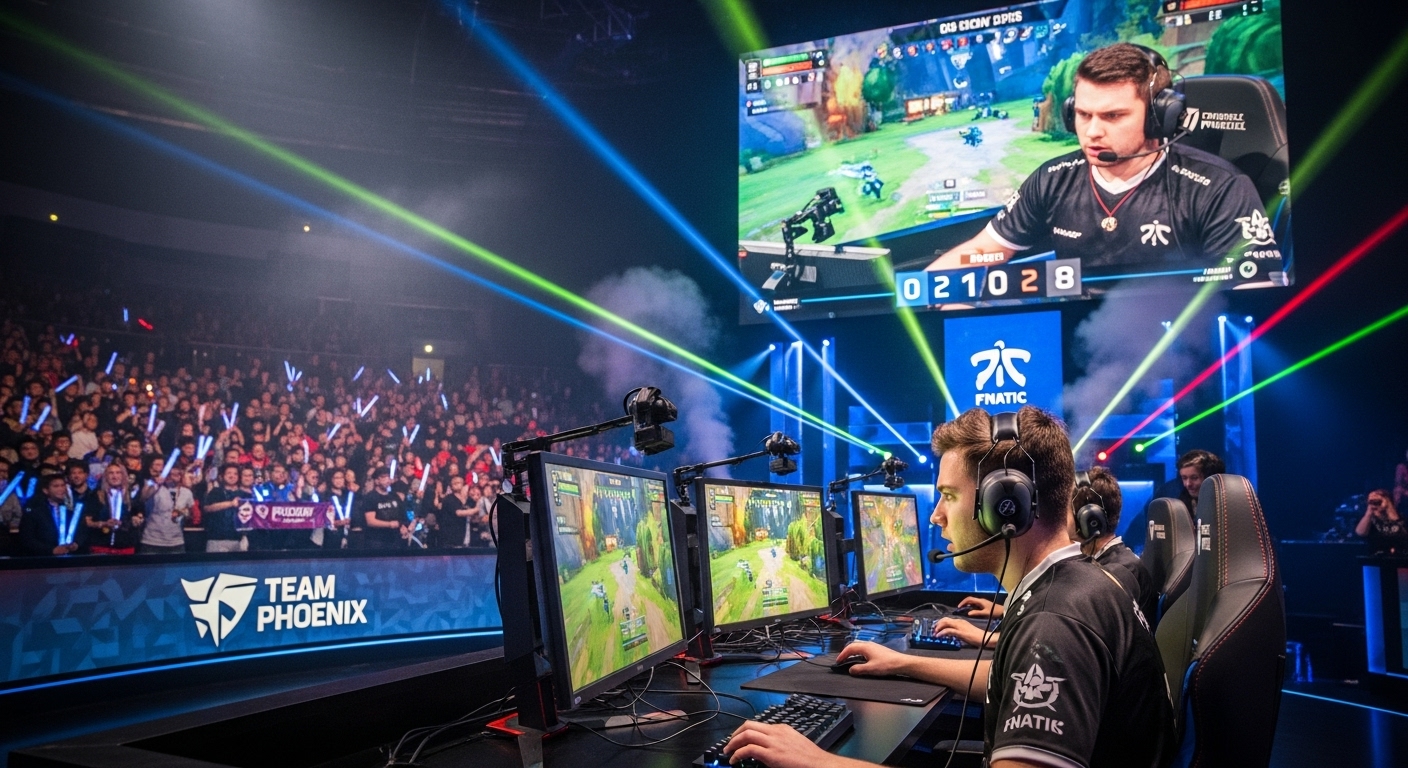
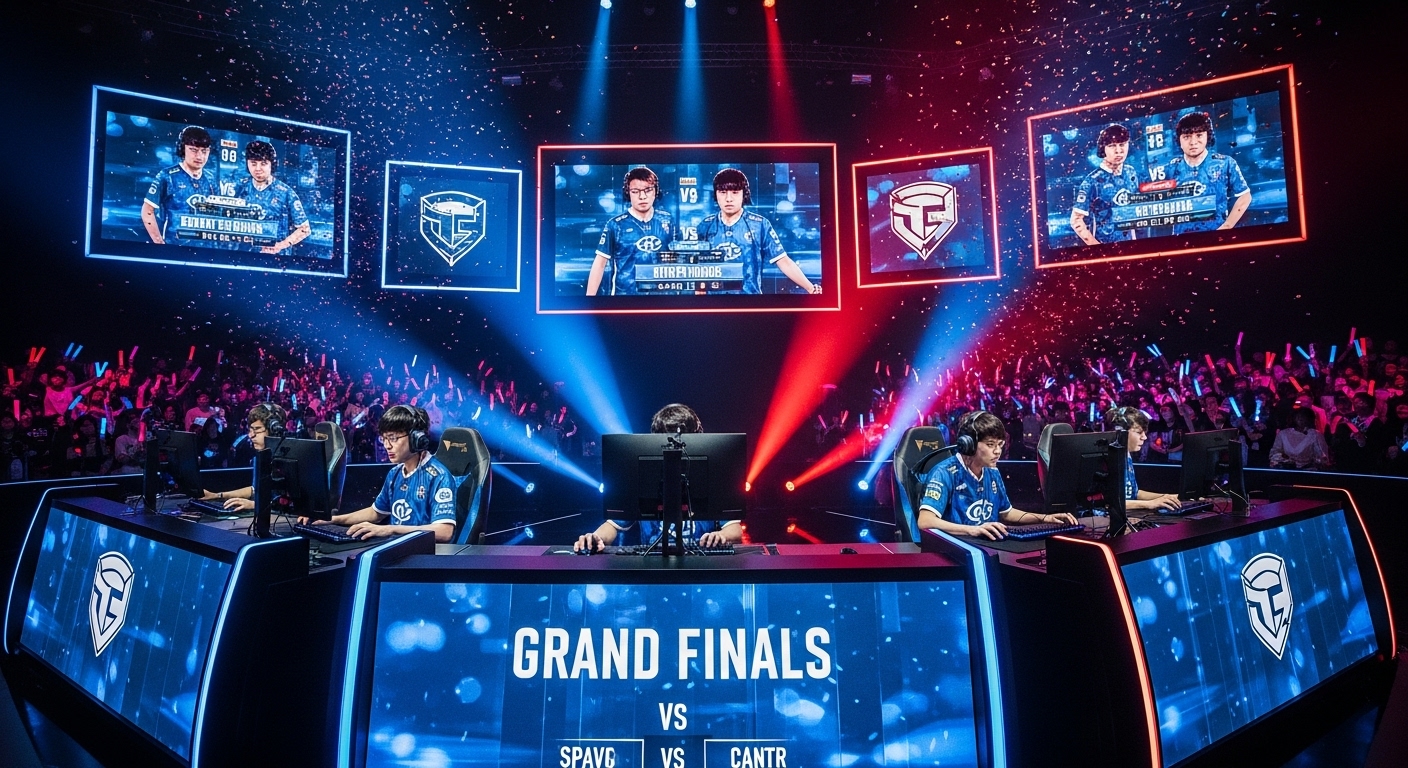
- Tournaments and Leagues: One of the most exciting aspects of esports is its tournament structure. Major events like The International (Dota 2), League of Legends World Championship, and CS:GO Major Championships are watched by millions of fans worldwide, both in person and online. These tournaments feature the best players from around the world competing for massive prize pools, sometimes exceeding tens of millions of dollars.
- Streaming Platforms: Twitch, YouTube Gaming, and Facebook Gaming are the primary platforms where esports is consumed. Live-streaming of games and tournaments has become a mainstay in the entertainment world, with millions of viewers tuning in to watch their favorite games or esports personalities. This shift from traditional broadcast television to streaming platforms has opened up new ways for fans to engage with their favorite teams and players.
- Sponsorship and Advertising: Just like traditional sports, esports is driven by corporate sponsorships and advertising. Major brands such as Red Bull, Intel, Coca-Cola, and Mercedes-Benz have entered the esports space, creating lucrative partnerships with teams, players, and events. These sponsorships provide a financial foundation for the industry and help ensure its continued growth.
- Esports Journalism and Content Creation: As the esports community grows, so does its media landscape. Esports journalism has become a legitimate field, with websites, podcasts, and YouTube channels dedicated to covering the latest news, events, and players. Content creators play an essential role in building and maintaining the esports community by offering insightful commentary, analysis, and entertainment.
The Global Appeal of Esports
One of the defining features of esports is its international appeal. Unlike traditional sports that may have regional or cultural limitations, esports can be played and viewed from anywhere in the world. With games like League of Legends, Valorant, and Fortnite offering cross-region play, players from different parts of the globe can compete against each other, leveling the playing field.
The esports scene has expanded beyond just Western markets, with countries like South Korea, China, and Brazil becoming major hubs for competitive gaming. South Korea, in particular, has been at the forefront of esports since the early 2000s. The country has produced some of the most famous esports players in history and is home to the world’s most successful esports leagues, including the League of Legends Korean Championship Series (LCK).
In China, esports has been recognized as a legitimate sport by the government, with major investments made in infrastructure and training programs. The Chinese esports scene is now one of the largest in the world, with games like Honor of Kings and League of Legends attracting massive player bases.
Similarly, Brazil has developed a strong esports community, particularly in the CS:GO and Rainbow Six Siege scenes. The Brazilian fan base is one of the most passionate in the world, with teams and players receiving immense support from their local communities.
The Impact of Esports on Traditional Sports
Esports has had a significant impact on traditional sports, both in terms of viewership and sponsorship. Many sports leagues, including the NFL, NBA, and UEFA, have embraced esports by organizing their own competitions and events. This convergence of esports and traditional sports has led to cross-promotion, with athletes from mainstream sports even participating in gaming tournaments.
In addition to the crossover of traditional sports figures into esports, there’s also been a growing interest in esports as a potential tool for fan engagement. Traditional sports organizations have recognized the potential for esports to reach younger, tech-savvy audiences who are less interested in traditional forms of entertainment. In some cases, esports has become a gateway for younger fans to develop an interest in conventional sports, further expanding the market for both industries.
The Future of Esports: Technology and Innovation
As we look to the future, the trajectory of esports will be shaped by technological advancements and innovation. Here are a few key trends that are likely to define the future of esports:
- Virtual Reality and Augmented Reality: The next frontier for esports could very well lie in virtual reality (VR) and augmented reality (AR). As VR technology continues to improve, it’s possible that esports will evolve from traditional screen-based gaming to immersive, virtual environments. This could create entirely new competitive experiences, where players are physically inside the game world, adding a new level of excitement for both participants and viewers.
- AI and Machine Learning: Artificial intelligence is already being used to improve gameplay and spectator experiences. AI-powered coaching tools can help players analyze their performance and make real-time adjustments. Machine learning algorithms can also be used to create dynamic in-game environments, adjusting the difficulty based on player skill levels, or enhancing the viewing experience with personalized content.
- Blockchain and NFTs: Blockchain technology and non-fungible tokens (NFTs) have the potential to revolutionize esports in several ways. NFTs could be used to represent in-game items, player collectibles, or even entire esports teams. Blockchain technology could also help secure player contracts, improve tournament transparency, and allow fans to invest in their favorite players or teams through digital assets.
- Increased Mainstream Recognition: As esports continues to grow, it’s likely that we will see even more integration into the mainstream entertainment ecosystem. We may see esports tournaments featured alongside traditional sports on major television networks, further solidifying esports as a key component of global entertainment. This growth could lead to increased recognition from government bodies, universities, and other institutions, with more opportunities for scholarships, sponsorships, and professional development.
Conclusion: A New Era of Entertainment
Esports has come a long way since its humble beginnings, and its future looks brighter than ever. The combination of technological innovation, global appeal, and passionate fanbases has propelled esports into the mainstream, making it one of the most exciting and rapidly growing industries in the world. As the line between traditional sports and digital competition continues to blur, esports will undoubtedly continue to shape the future of entertainment, culture, and technology.
For those involved in the esports ecosystem—whether as players, fans, or professionals—the journey is just beginning. The next decade holds immense potential, and the world will undoubtedly witness further innovations, new stars, and unforgettable moments in the world of esports. As it continues to evolve, one thing is clear: esports is here to stay.