




Introduction: The Rise of Esports
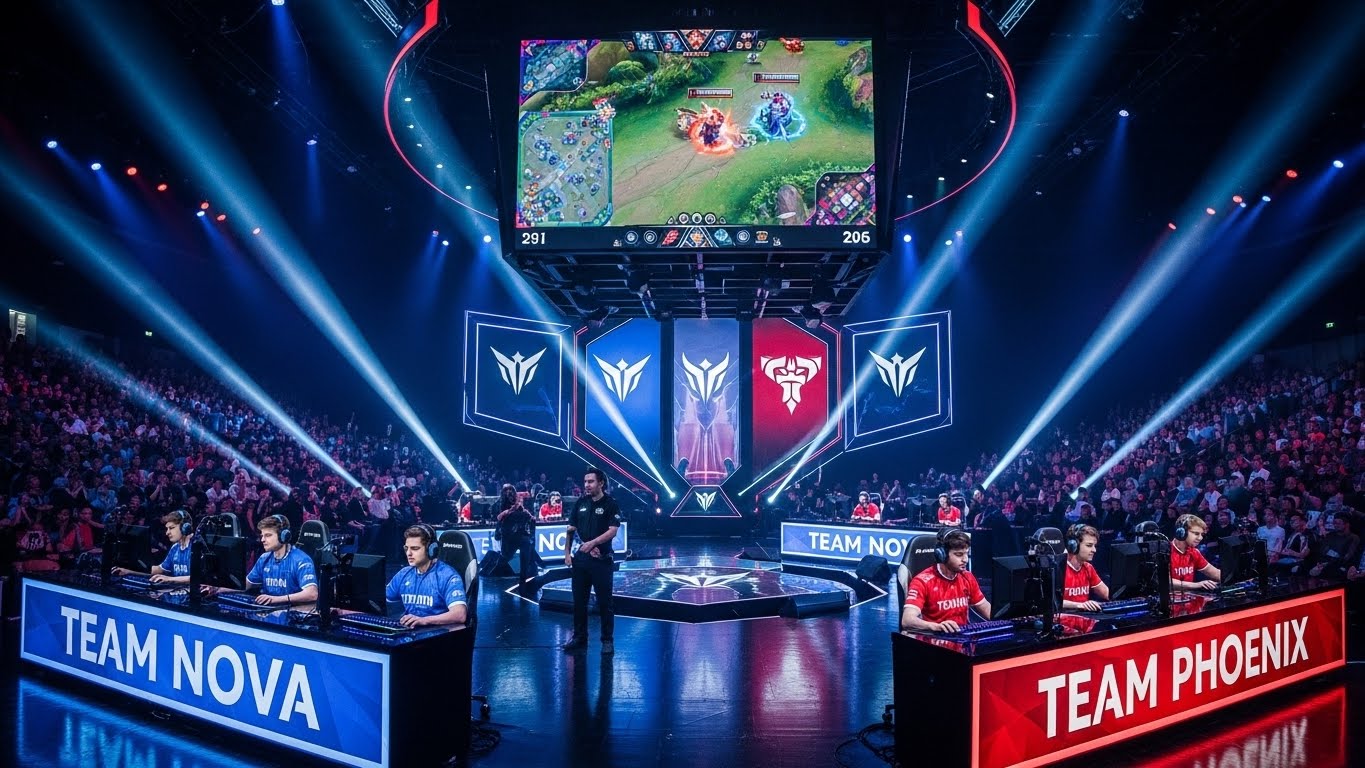
In recent years, esports has transformed from a niche hobby to a global cultural phenomenon. No longer confined to a select group of enthusiasts, competitive gaming has taken the world by storm, with millions of viewers tuning in to watch professional gamers compete in massive tournaments. What once seemed like a pastime for the young and tech-savvy has now become a billion-dollar industry, with players, teams, sponsors, and broadcasters all contributing to its rapid growth. But how did esports go from being a fringe activity to a mainstream powerhouse?
This blog will explore the evolution of esports, highlighting its growth, its impact on popular culture, the professionalization of gaming, and the future of this dynamic industry.
The Early Days: Gaming as a Hobby
The roots of esports can be traced back to the early days of competitive gaming. In the 1980s and 1990s, gaming was primarily a hobby enjoyed by a small subset of people, most of whom played in arcades or on early home gaming consoles. Competitive gaming existed but was limited to informal events such as local LAN (Local Area Network) parties, where players could connect their computers or consoles to compete against each other.
These early gaming competitions were small-scale and often organized by gaming communities rather than large corporations. However, even in these humble beginnings, a sense of community and rivalry began to take shape. Games like Doom, Warcraft, Quake, and StarCraft became the foundations of competitive play, with players around the world engaging in virtual battles to prove their skills.
As the internet began to grow in the late 1990s and early 2000s, esports began to gain more structure. The rise of online multiplayer games like Counter-Strike and StarCraft allowed players from different parts of the world to compete against each other, and the first major online tournaments were born.
The Growth of Esports: Professionalization and Infrastructure
By the mid-2000s, esports began to grow in both popularity and professionalism. Games like Warcraft III and Counter-Strike 1.6 became staples in the competitive gaming community, and tournament organizers began to structure events more formally. This shift was crucial to the growth of esports, as it provided a foundation for what would become a multi-million-dollar industry.
One of the key milestones in the development of esports was the creation of large-scale tournaments with cash prizes, professional teams, and sponsorships. Games like League of Legends, Dota 2, and StarCraft II helped push esports into the mainstream, with millions of dollars in prize pools attracting top-tier players and organizations.
In 2011, the World Cyber Games (WCG) and ESL (Electronic Sports League) were two of the first organizations to build global infrastructures for esports. These organizations brought a level of legitimacy to competitive gaming, paving the way for large-scale international tournaments. The 2013 League of Legends World Championship, with its massive prize pool and millions of viewers, marked a significant moment in the recognition of esports as a legitimate form of competition.
Esports as a Multi-Billion Dollar Industry
Fast forward to the present day, and esports has become a global juggernaut. As of 2023, the esports industry is valued at over $1.5 billion, with projections indicating it will only continue to grow. From sponsorships to merchandise sales, broadcasting rights to advertising revenue, esports has become a significant player in the entertainment industry.
One of the key drivers of this growth has been the increasing interest from traditional media and major corporations. The rise of streaming platforms like Twitch and YouTube Gaming has made it easier for fans to access esports content, while partnerships with companies like Coca-Cola, Intel, and Nike have brought mainstream attention to the scene. As a result, esports is no longer just about playing games—it has become a lifestyle and an entertainment experience.
Esports teams have also evolved into professional organizations that mirror traditional sports teams in terms of their structure, management, and branding. Top-tier esports teams now have coaching staffs, analysts, fitness trainers, and mental health professionals to help players perform at their best. In addition, the increasing presence of investors, both from the tech industry and beyond, has led to the formation of esports leagues that are modeled after traditional sports leagues.
The Cultural Impact of Esports
Esports’ influence extends far beyond the gaming community. It has become a cultural force that influences entertainment, fashion, and even education. The rise of esports has led to the creation of esports scholarships at major universities, with students pursuing careers in game design, marketing, and professional gaming.
Esports has also had a profound impact on popular culture. Professional gamers are now household names, with players like Faker (Lee Sang-hyeok), s1mple (Oleksandr Kostyliev), and Ninja (Tyler Blevins) becoming global superstars. These players not only compete at the highest level but also engage with their fan bases through social media, streaming, and brand partnerships, creating personal brands that rival those of traditional athletes.
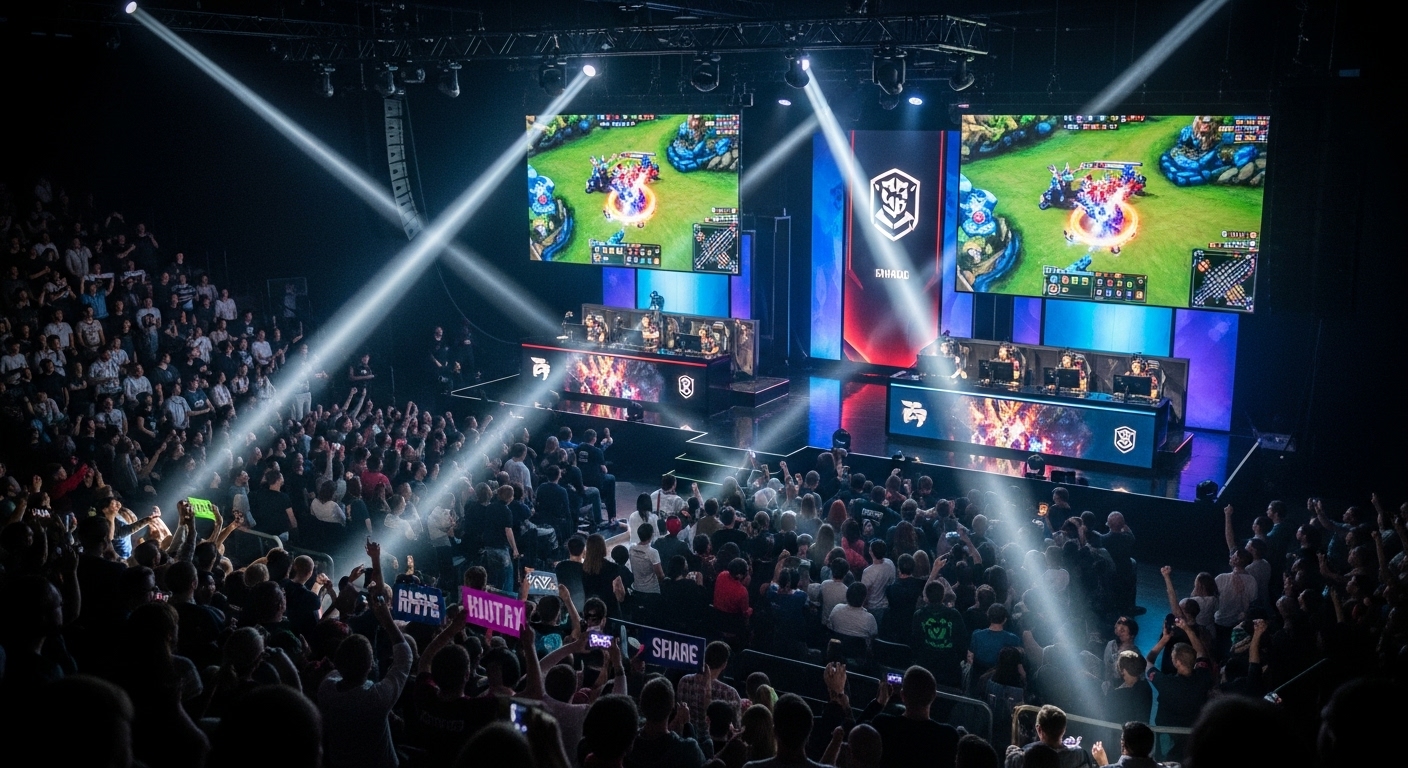
Moreover, esports has helped to normalize gaming as a hobby for people of all ages. In the past, gamers were often stereotyped as socially awkward or isolated, but today, esports has broken down these barriers, showing that gaming can be a social, collaborative, and highly competitive activity. Esports events attract fans from all walks of life, with audiences of all ages, genders, and backgrounds coming together to celebrate their shared passion for gaming.
The Future of Esports: Innovation and New Horizons
As esports continues to grow, its future is filled with possibilities. The increasing convergence of esports and traditional sports is one of the most exciting trends on the horizon. Major sports leagues, including the NBA and NFL, have already started to invest in esports, either by creating their own esports leagues or by forming partnerships with existing esports organizations. This collaboration could lead to new opportunities for esports to be integrated into mainstream sports culture.
Another major area of growth for esports is in the realm of virtual reality (VR) and augmented reality (AR). With the advancement of VR technology, esports could enter a new era where players compete in fully immersive environments. VR esports could redefine the way people experience competitive gaming, offering new forms of interaction and excitement.
Additionally, the global nature of esports makes it a unique vehicle for international competition and collaboration. Esports tournaments often feature teams from across the world, and the growth of the industry has led to the development of professional leagues in regions like China, South Korea, Europe, and North America. The diversity and international appeal of esports could help bring people together in ways that traditional sports have struggled to do.
Finally, the continued advancement of gaming technology, including improved graphics, faster internet speeds, and more powerful hardware, will only enhance the esports experience for both players and viewers. As game developers continue to innovate and create new, more dynamic games, esports will undoubtedly adapt and evolve, offering new forms of competition and entertainment.
Conclusion: Esports—A Mainstay in Modern Culture
From its humble beginnings as a niche activity to its current status as a billion-dollar industry, esports has proven to be much more than just a passing trend. It has become a global cultural phenomenon that is shaping the future of entertainment, technology, and sports. With a dedicated fan base, growing investment, and increasing recognition from traditional media, esports is poised to continue its rise as one of the most influential and dynamic industries in the world.
The future of esports is bright, with new innovations, expanded audiences, and greater integration with mainstream culture. Whether you’re a casual viewer or a die-hard fan, it’s clear that esports has firmly established itself as a cornerstone of modern entertainment, and its impact will only continue to grow in the years to come.