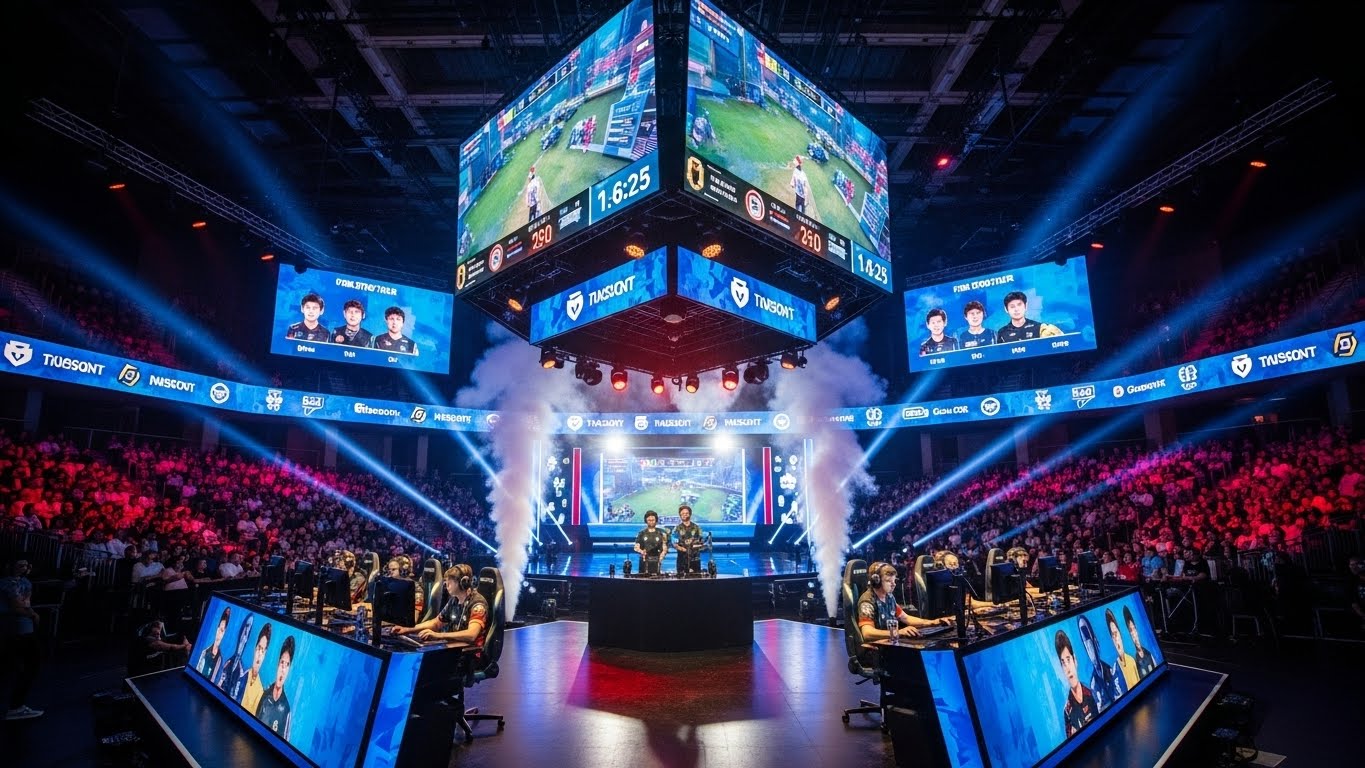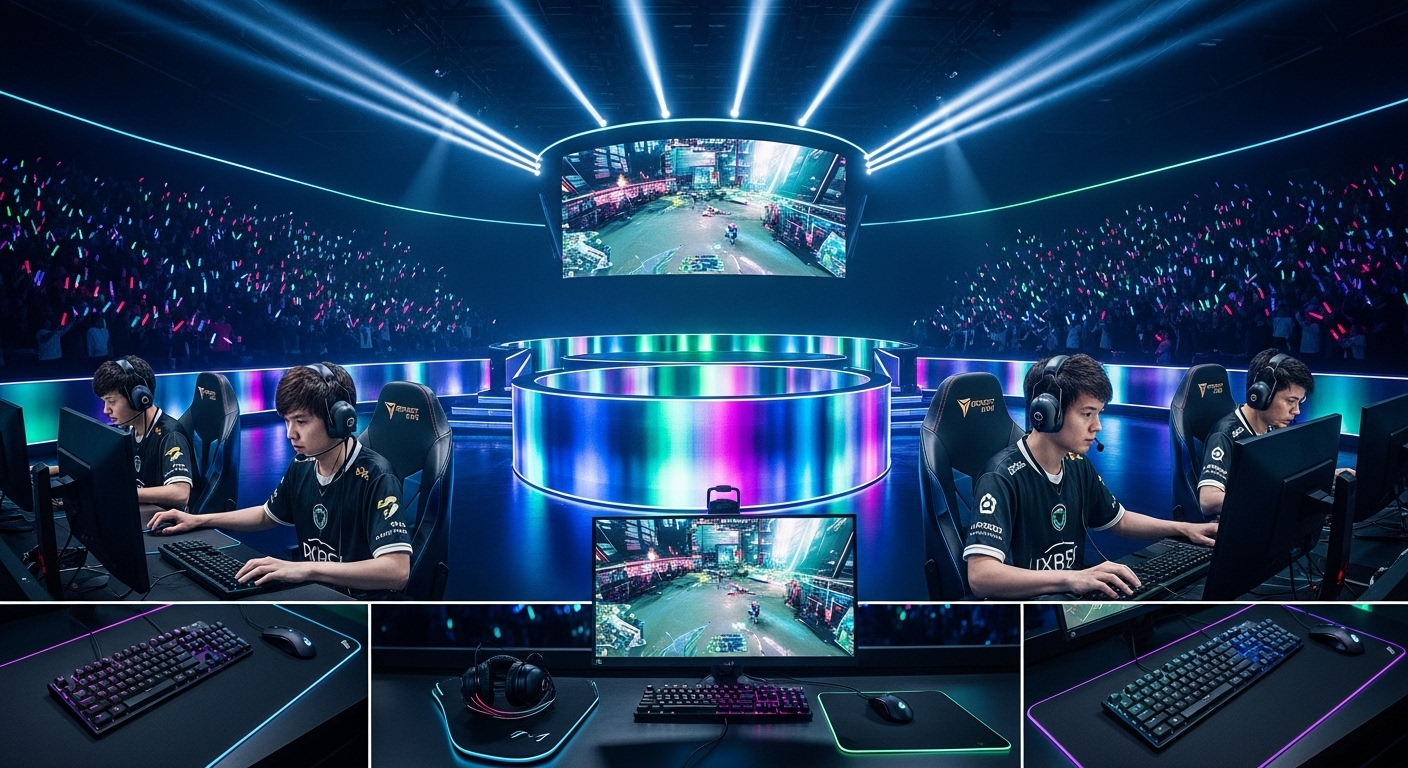





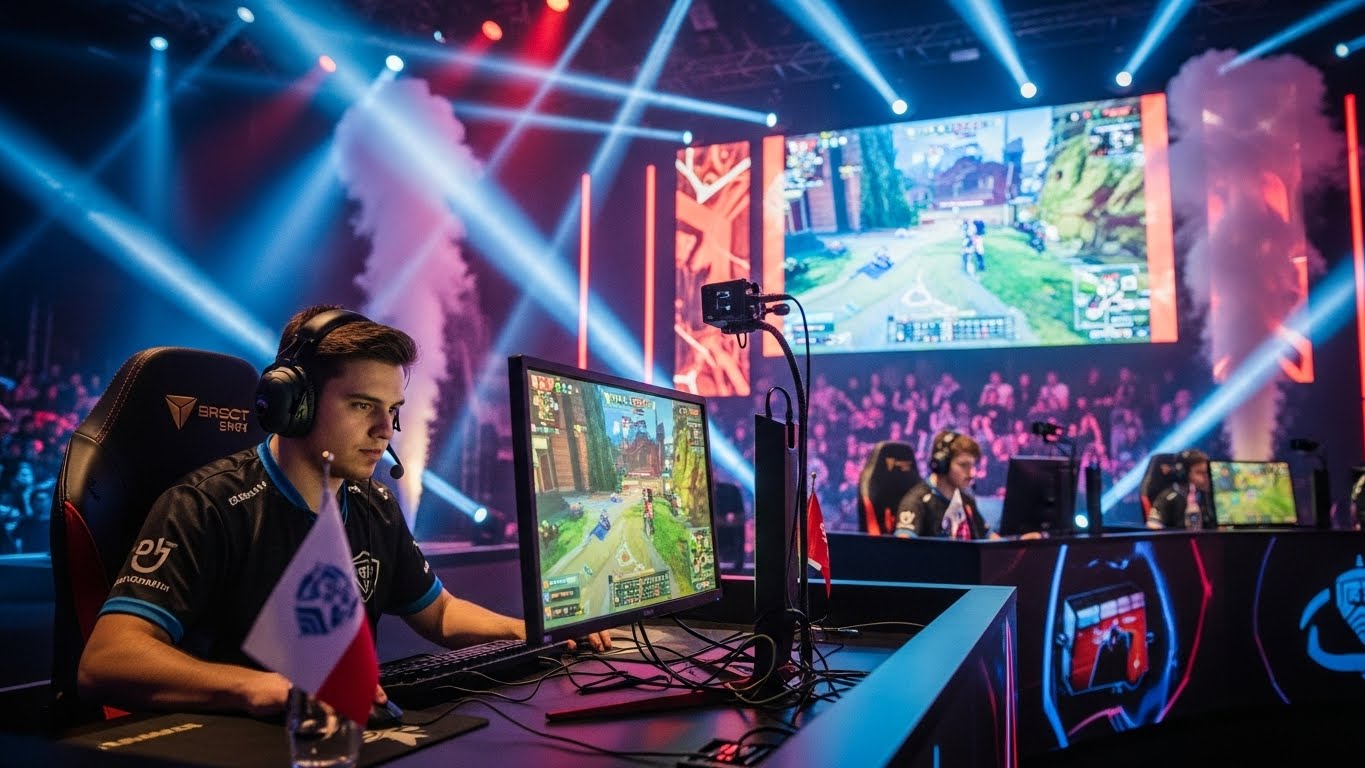
Esports, short for electronic sports, has become a global phenomenon, transforming from a niche hobby to a mainstream form of entertainment. Over the past two decades, esports has skyrocketed in popularity, with millions of fans tuning in to watch their favorite players compete in tournaments across the world. From humble beginnings as casual gaming competitions to being recognized as a legitimate sporting event with professional teams, sponsorships, and multi-million-dollar prize pools, esports is now an industry worth billions.
In this blog post, we will delve into the evolution of esports, its impact on the gaming community, and why it continues to attract both fans and investors alike.
What is Esports?
At its core, esports refers to competitive video gaming, where individuals or teams compete against each other in organized tournaments. The games involved in esports range from real-time strategy games (like StarCraft), multiplayer online battle arenas (such as League of Legends), first-person shooters (like Counter-Strike or Call of Duty), and battle royale games (Fortnite and PUBG).
Esports can take place in various forms, including local events, online tournaments, and large-scale international competitions. These events often feature live broadcasts with professional commentary, attracting millions of viewers across the globe.
The Early Days: From LAN Parties to Professional Competitions
Esports began in the early 2000s, primarily through small LAN (Local Area Network) parties where gamers would come together to play against each other in person. During this time, competitive gaming was a grassroots activity, driven by passionate players and enthusiasts rather than corporate sponsorships or organized leagues.
In the late ’90s and early 2000s, tournaments like the Cyberathlete Professional League (CPL) and World Cyber Games (WCG) started gaining traction. These events showcased games like Quake and Unreal Tournament, attracting a growing community of professional players. However, the events were still niche, with limited media coverage and financial backing.
The real turning point came in the mid-2000s, with the rise of StarCraft: Brood War in South Korea. This game, along with its competitive scene, played a crucial role in legitimizing esports as a viable career path. Korean gaming organizations and television networks began broadcasting esports tournaments, turning top-tier players into celebrities and sparking interest in competitive gaming worldwide.
Esports as a Global Phenomenon
By the 2010s, esports exploded in popularity. Games like League of Legends and Dota 2 attracted millions of viewers and players, thanks to their accessibility, skill-based gameplay, and online multiplayer features. The arrival of streaming platforms like Twitch and YouTube Gaming helped to further fuel the growth of esports, enabling fans to watch live gameplay from their favorite players and teams.
Major tournaments like The International (Dota 2) and the League of Legends World Championship became annual events with prize pools reaching millions of dollars. These tournaments drew massive live audiences and earned attention from major media outlets. Players who once competed in their basements were now signing sponsorship deals with global brands, traveling the world, and competing for enormous cash prizes.
In 2013, the ESL One and Intel Extreme Masters became prominent esports tournaments, further professionalizing the industry. It was at this point that esports began to be treated similarly to traditional sports, with dedicated teams, managers, coaches, and analysts. Organizations like Team Liquid, Cloud9, and Fnatic began to field professional teams, sign sponsorship deals, and build fanbases.
The increasing number of esports events and sponsorships led to a surge in mainstream media interest. Esports was no longer just about playing video games—it had become a career path, a business, and a culture.
The Esports Ecosystem: Players, Teams, and Sponsors
Esports has grown into a massive ecosystem, involving not only players but also coaches, analysts, content creators, and team owners. It’s a multi-faceted environment where various stakeholders play critical roles in the success of the industry.
Professional Players
Esports players are at the center of the competitive scene. These individuals dedicate countless hours to mastering their craft, practicing for hours a day, and analyzing game mechanics. Top players often achieve “celebrity” status, with large followings on platforms like Twitch, Twitter, and Instagram.
Much like athletes in traditional sports, esports players undergo rigorous training, mental conditioning, and physical exercise to ensure they perform at the highest level. With many players starting young, it’s not uncommon to see teenagers rise through the ranks to become some of the best players in the world.
Teams and Organizations
Esports teams are often structured similarly to traditional sports franchises. These organizations employ not only players but also coaches, analysts, social media managers, and content creators. Some teams have in-house facilities and training rooms, where players can practice together in a focused, professional environment.
Major esports teams like Team Liquid, G2 Esports, and T1 have fans that extend beyond the game they specialize in. These teams may compete in multiple games simultaneously, fielding teams in various titles like League of Legends, CS:GO, and Valorant. The growth of esports organizations has led to a thriving competitive ecosystem, where players are often signed to multi-year contracts and enjoy lucrative sponsorship deals.
Sponsors and Partnerships
Esports has attracted a wide range of sponsors, from tech giants like Intel, NVIDIA, and Razer to global brands like Coca-Cola, Mercedes-Benz, and Nike. These companies invest heavily in the esports scene, recognizing the huge potential of reaching a young, tech-savvy audience.
Sponsorships not only help fund esports teams and tournaments but also contribute to the growth of the industry as a whole. Sponsorship dollars are used for prize pools, travel expenses, production value, and other aspects that enhance the viewer experience.
Esports and Mainstream Media
One of the key factors behind the rise of esports is the growth of live streaming and media platforms. Services like Twitch, YouTube Gaming, and Facebook Gaming have made it easy for fans to access live broadcasts of their favorite esports events, creating a global viewership base.
In addition to these platforms, major networks have begun airing esports events on traditional television. In 2020, ESPN broadcasted the League of Legends World Championship final, marking a significant moment in esports’ mainstream acceptance. As esports continues to gain traction, expect more traditional sports networks to follow suit, integrating esports programming into their regular broadcasts.
Esports as a Career Path
The financial rewards in esports have made it an attractive career path for many aspiring gamers. Professional players can earn significant salaries through tournament winnings, sponsorship deals, and streaming revenue. Top-tier players in popular games like League of Legends, Valorant, and Dota 2 can make millions of dollars annually.
In addition to players, esports has opened up numerous career opportunities for coaches, analysts, content creators, event organizers, and even team managers. The esports industry has created jobs across multiple sectors, from marketing to technology, and continues to expand as the industry grows.
While the average lifespan of a professional player may be relatively short—due to the intense competition and mental strain—there are plenty of opportunities for players to transition into coaching, streaming, or even game development.
The Future of Esports
Looking ahead, the future of esports appears incredibly promising. With the continued rise of mobile gaming, esports is likely to become even more accessible to players and fans around the world. Mobile titles like Clash Royale and PUBG Mobile have already seen explosive growth, particularly in regions like Southeast Asia, India, and Africa. As smartphones become more powerful, mobile esports could become a key player in the global competitive gaming scene.
Moreover, innovations like virtual reality (VR) and augmented reality (AR) could revolutionize esports, offering entirely new ways to experience competitive gaming. The integration of these technologies might lead to new forms of gameplay and fan engagement, creating more immersive and interactive experiences.
Esports also stands to benefit from its growing integration with traditional sports. Major sports leagues like the NBA have already begun investing in esports teams and competitions, while professional athletes from various sports have launched their own esports ventures.
With billions of dollars being pumped into the esports ecosystem from sponsorships, media rights, and merchandising, the growth potential for this industry is virtually limitless.
Conclusion: A New Era of Entertainment
Esports is no longer just a passing trend—it’s a global phenomenon. What started as small-scale competitions has evolved into an industry worth billions, with professional players, massive tournaments, and millions of passionate fans. As the world of competitive gaming continues to expand, it’s clear that esports is here to stay.
Whether you’re a player, fan, or investor, the future of esports looks bright. The industry will continue to push the boundaries of technology, entertainment, and sports culture. As esports continues to grow, one thing is certain: competitive gaming is no longer just a game—it’s a powerful force in the world of sports and entertainment.