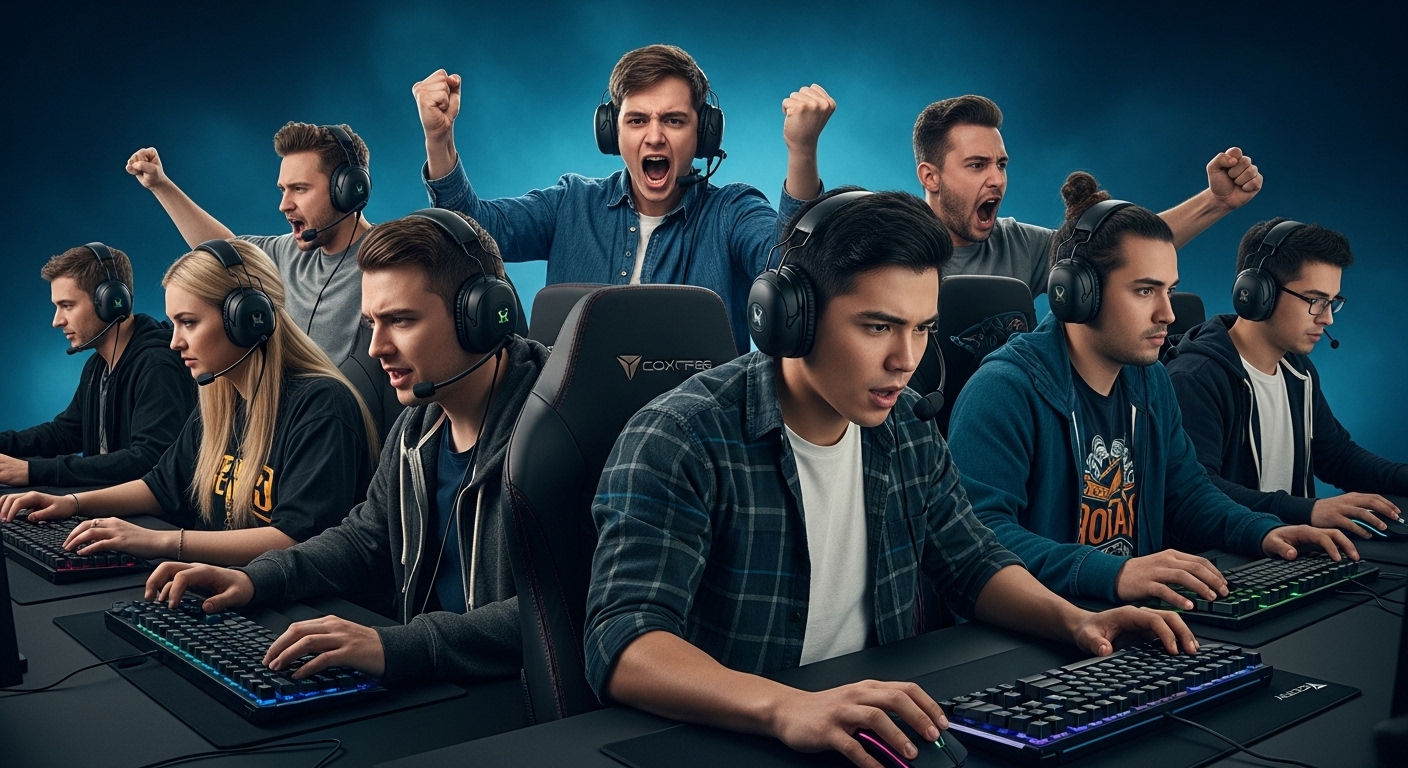






Esports, short for electronic sports, has rapidly emerged as a cultural phenomenon over the past decade. What began as casual gaming sessions has now evolved into a global industry worth billions of dollars, attracting millions of players, fans, and investors alike. As technology continues to evolve and internet access becomes more widespread, esports has garnered an unprecedented level of recognition, growing in popularity both as a form of entertainment and as a serious career path for many. This blog post will explore the growth of esports, its current landscape, and its potential future trajectory.
The Origins of Esports: From Arcade Games to Global Competitions
The roots of esports can be traced back to the 1970s and 1980s when arcade gaming and early video games began to capture the attention of a wider audience. However, it wasn’t until the 1990s that competitive gaming began to take shape. Games like Street Fighter and Doom hosted local tournaments, and it was clear that players were ready to compete not just for fun, but for prestige.
The 1997 launch of the Red Annihilation tournament, featuring Quake, marked one of the first major esports competitions, where players from all over the world competed for a significant prize. This tournament is often credited with helping to legitimize esports as a form of competitive entertainment.
Esports Today: A Multi-Billion Dollar Industry
Fast forward to the present, and esports has become a multi-billion dollar industry, complete with professional teams, sponsorship deals, and massive tournaments. Titles like League of Legends, Dota 2, Counter-Strike: Global Offensive, and Fortnite draw millions of viewers to live-streamed events and tournaments, with prize pools reaching millions of dollars.
According to estimates, the esports industry was worth over $1.1 billion in 2021, and this number is only expected to grow in the coming years. This growth is fueled by several factors, including the rise of live streaming platforms like Twitch, the expansion of professional leagues, and the increasing involvement of major tech companies, media organizations, and traditional sports franchises.
The Impact of Streaming Platforms on Esports Growth
One of the most significant drivers of esports’ rise is the development of live streaming platforms such as Twitch, YouTube Gaming, and Facebook Gaming. These platforms have revolutionized how people consume gaming content, offering fans a front-row seat to live tournaments, casual gameplay streams, and behind-the-scenes content from their favorite players and teams.
Twitch, in particular, has become synonymous with esports streaming. Professional gamers and esports organizations regularly stream their matches, training sessions, and even personal lives to millions of viewers. This has helped foster a sense of community around esports, allowing fans to feel closer to the action and develop deep connections with players.
Moreover, platforms like these also allow aspiring professional gamers to build their own audiences, attracting sponsorships and career opportunities. Players can monetize their streams through ads, subscriptions, and donations, making it possible for them to earn a living from their passion.
The Professionalization of Esports: Teams, Leagues, and Salaries
Esports has come a long way from its humble beginnings as a casual hobby. Today, esports organizations operate much like traditional sports teams, with coaches, analysts, managers, and sponsorship deals. Teams compete in league-based formats, where franchises often recruit top players from around the world.
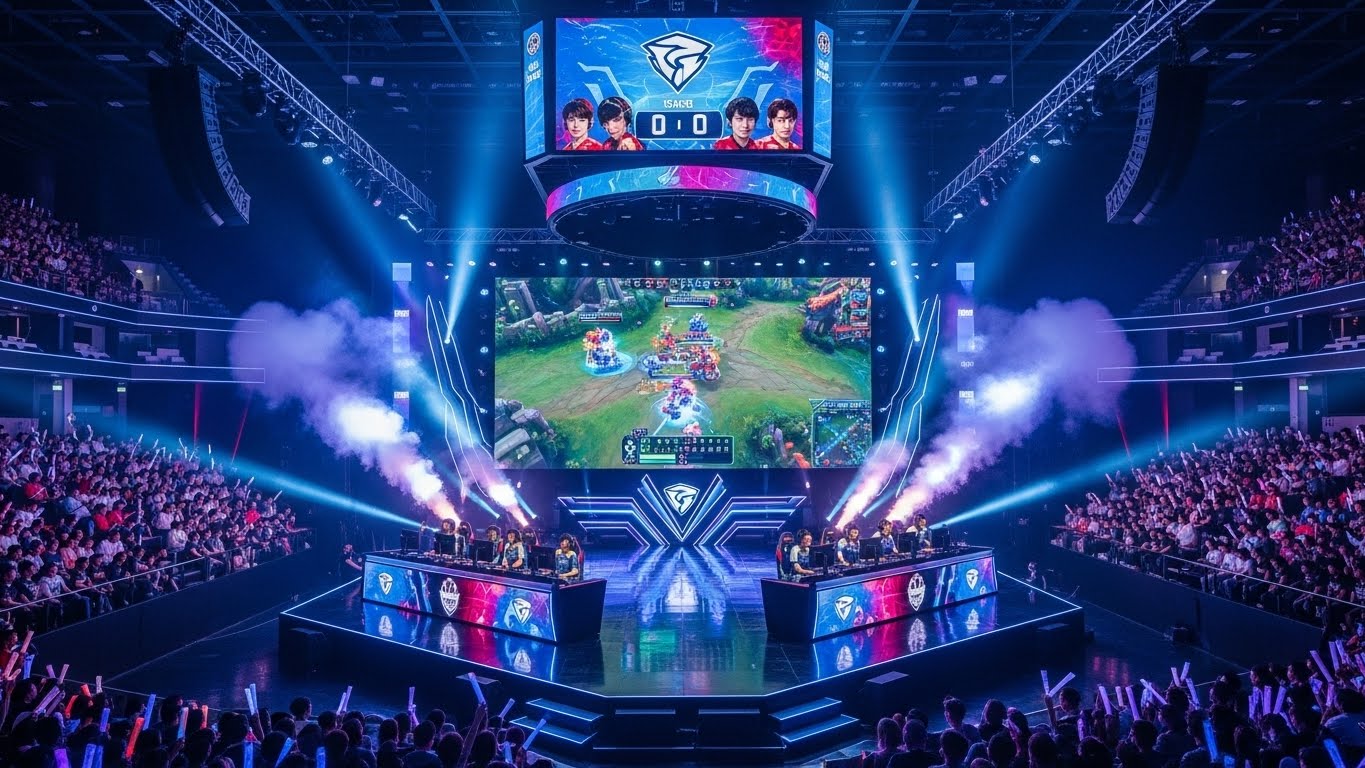
Major esports tournaments are now held in iconic arenas and are broadcast to a global audience. The League of Legends World Championship, The International (Dota 2), and Overwatch League Finals are just a few examples of high-profile events that attract millions of viewers and feature prize pools worth millions of dollars.
Players in top-tier teams can earn impressive salaries, often surpassing those of traditional athletes in terms of total earnings. In addition to tournament winnings, many esports professionals earn income through sponsorships, endorsements, and streaming deals. Some of the highest-paid esports athletes, such as Johan “N0tail” Sundstein (Dota 2) and Faker (League of Legends), have accumulated multi-million dollar earnings from their careers.
The Role of Esports Organizations
Esports organizations play a crucial role in shaping the professional landscape. These organizations manage player contracts, negotiate sponsorships, and help secure the infrastructure necessary for teams to succeed. Prominent esports organizations like Team Liquid, Cloud9, FaZe Clan, and G2 Esports not only recruit top talent but also build their brand identity, engage with fans, and create content across multiple platforms.
In many cases, these organizations act as more than just a team management body; they are global brands in their own right. They engage in cross-promotion with various industries, collaborate with other organizations, and host their own tournaments and events. The rise of esports organizations has paved the way for a more professional and organized competitive scene.
Esports and Traditional Sports: A Growing Symbiosis
The relationship between esports and traditional sports is becoming increasingly symbiotic. As esports continues to gain mainstream recognition, traditional sports franchises are also investing in esports teams and tournaments. Major organizations such as FC Barcelona, Paris Saint-Germain, and Manchester City have all ventured into the esports space, fielding teams in popular games like FIFA and League of Legends.
The cross-pollination between traditional sports and esports also extends to sponsorships, broadcasting rights, and fan engagement strategies. Esports organizations are beginning to adopt practices commonly used in traditional sports, such as fan merchandise, branded content, and personalized fan experiences.
The Growing Esports Audience
The esports audience is diverse, with viewers from all walks of life. A significant portion of the audience is made up of younger generations—millennials and Gen Z—who are digital natives and consume entertainment through online platforms. These viewers often prefer the interactive, community-driven aspects of esports, where they can engage with players, streamers, and other fans in real time.
What sets esports apart from traditional sports is the fact that it is a global phenomenon that transcends borders and time zones. Competitive gaming can take place anywhere, and its online nature makes it accessible to people regardless of their geographic location. For example, while the League of Legends World Championship may be held in a physical venue in Los Angeles, the event attracts viewers from all corners of the world, all participating in real-time through streams.
This global, interactive fanbase has created a unique ecosystem for esports, where fans have the opportunity to directly influence the success of their favorite teams or players through voting, cheering, and even financial support via donations and subscription models.
The Future of Esports: Innovation and Expansion
The future of esports looks incredibly promising, with constant innovation on the horizon. One of the most exciting prospects is the potential integration of new technologies such as virtual reality (VR), augmented reality (AR), and artificial intelligence (AI). These technologies could revolutionize the way esports is experienced, providing immersive environments for players and fans alike.
The Role of AI and Automation in Esports
Artificial intelligence and machine learning are already beginning to make their mark in the esports world. From helping players improve their in-game skills through AI-powered training programs to enhancing the broadcasting experience with automated highlights and analytics, AI has the potential to elevate every aspect of competitive gaming.
Automation could also help streamline the organization of tournaments, manage player statistics, and ensure fair play. As esports continues to grow, technology will play a pivotal role in shaping the direction of the industry.
The Integration of Virtual Reality and Augmented Reality
The integration of virtual and augmented reality into esports could offer a completely new form of competitive gaming. VR could create more immersive and interactive gaming experiences, allowing players to physically interact with the game world in ways that were previously unimaginable. AR, on the other hand, could enhance live tournaments by overlaying real-time data and stats onto the viewing experience, creating a more engaging and informative broadcast.
As hardware improves and becomes more affordable, the possibility of mainstream adoption of VR and AR in esports seems increasingly likely.
Global Expansion and Diversification
Esports is set to continue its global expansion, with regions such as Asia, Europe, and North America leading the charge. However, countries in Latin America, the Middle East, and Africa are also beginning to invest heavily in the esports ecosystem. International competitions and collaborations between different regions will create a more connected, global community for esports fans and players.
Moreover, as the genre of games continues to diversify, new forms of esports are emerging. In addition to the traditional multiplayer online battle arena (MOBA) games, battle royales, and first-person shooters (FPS), we’re also seeing new genres like mobile esports, sports simulations, and even virtual reality (VR) esports grow in popularity.
Conclusion: Esports is Here to Stay
Esports is no longer a niche interest but a global entertainment juggernaut with a bright future ahead. From its humble beginnings in arcades to its current status as a multi-billion dollar industry, esports has proven that it is here to stay. The fusion of gaming with traditional sports, the rise of live-streaming platforms, and the professionalization of the industry have created a vibrant and dynamic space for fans, players, and organizations alike.
As technology continues to evolve and new innovations emerge, the esports world will only become more exciting and immersive. Whether you’re a casual fan, a dedicated player, or someone interested in the business side of the industry, esports offers something for everyone, and its influence on the entertainment landscape will only continue to grow.