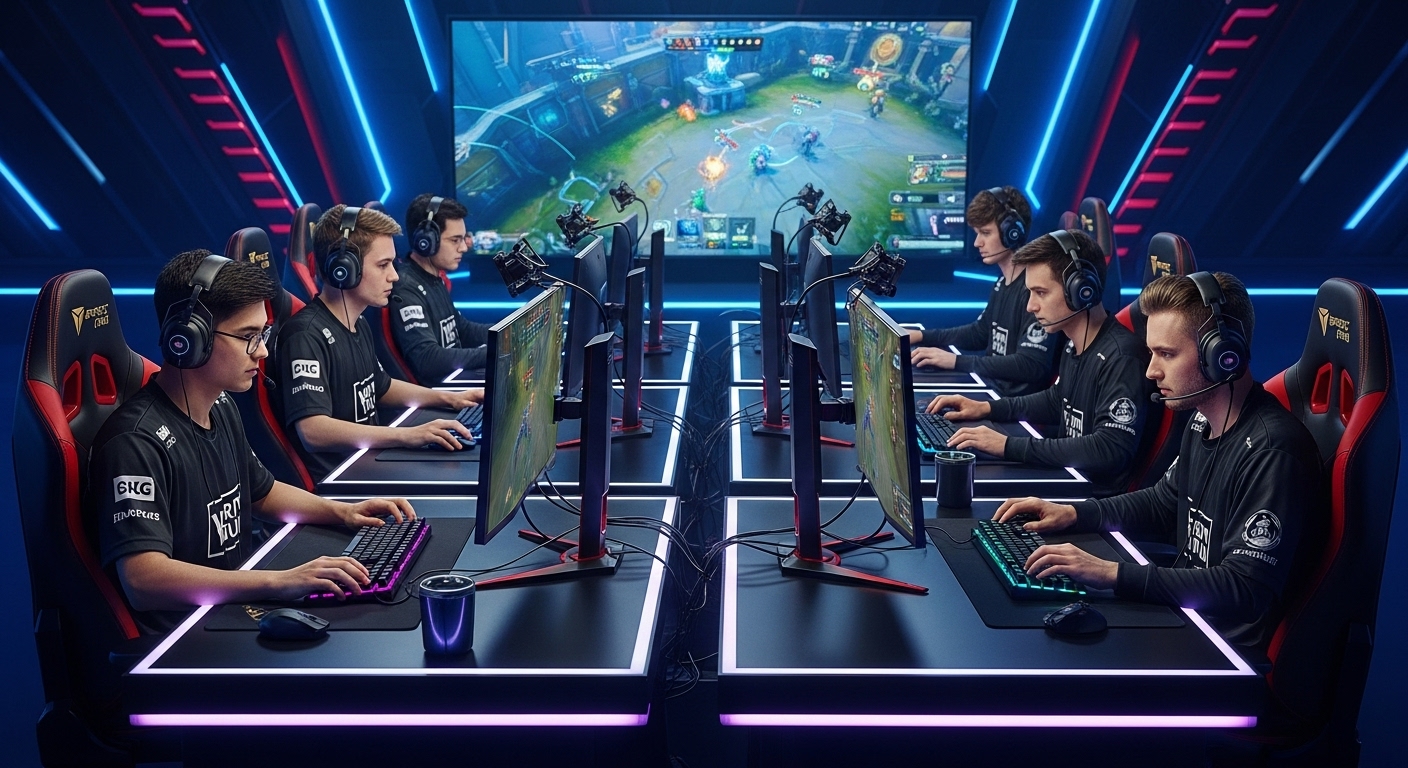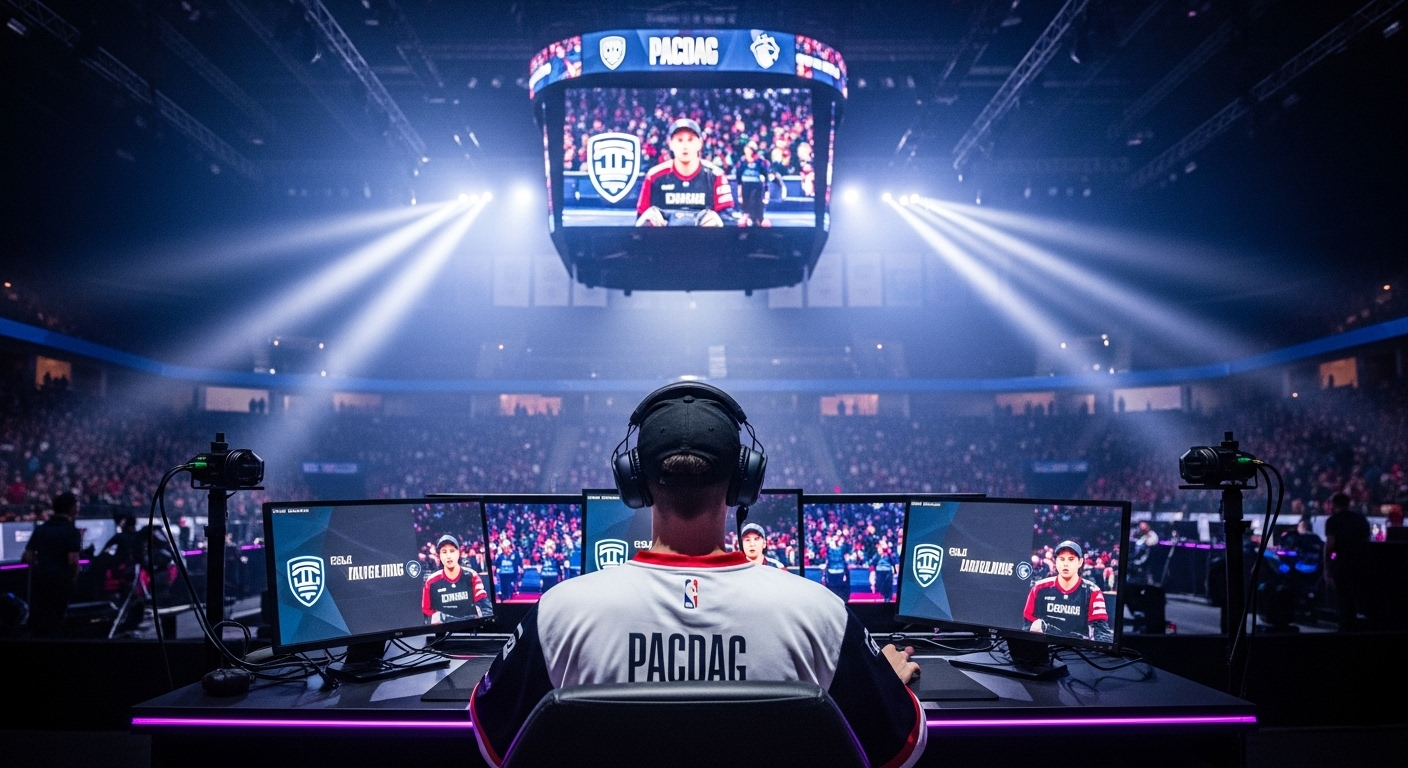





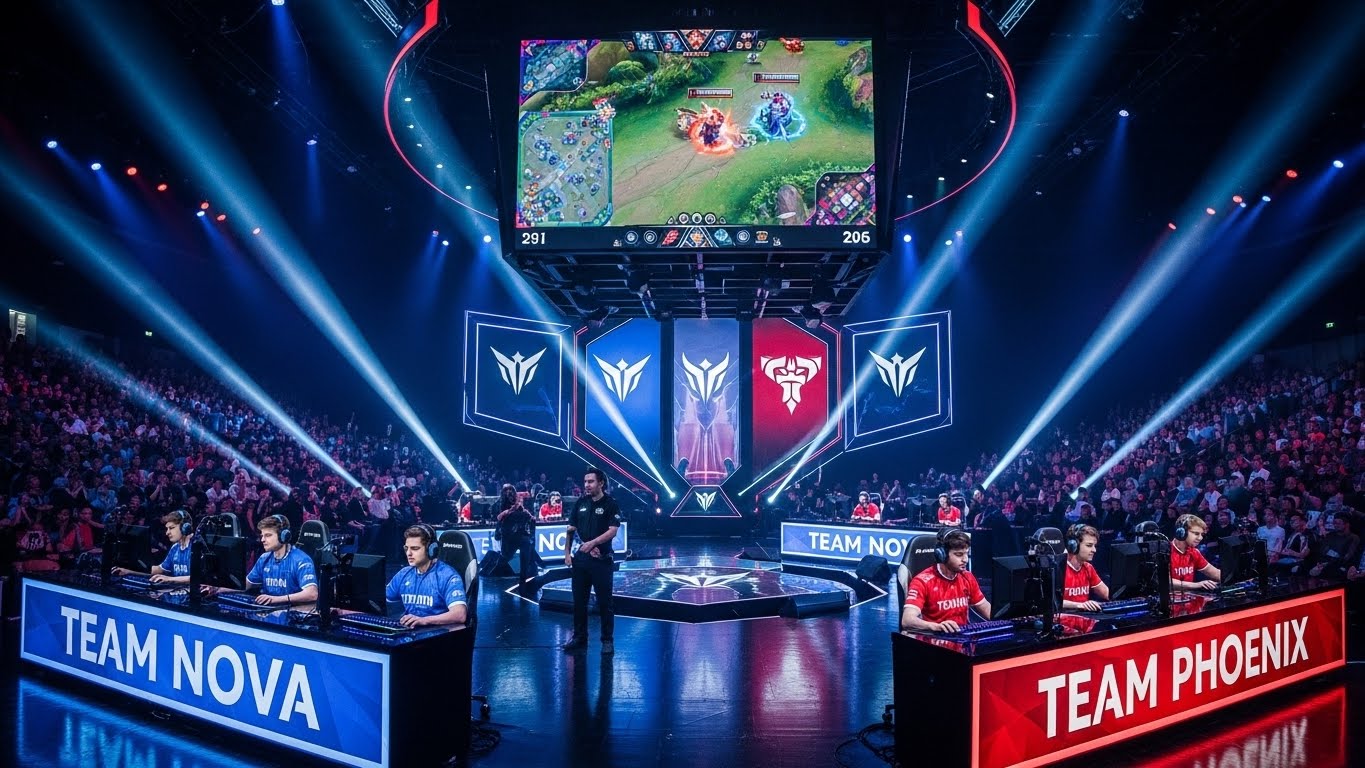
The world of competitive gaming, or eSports, has grown from niche hobbyist communities into a global phenomenon attracting millions of viewers, professional players, and corporate sponsorships. What began as casual multiplayer gaming among friends has evolved into a highly organized, professional industry with leagues, tournaments, and even collegiate programs. In this blog post, we explore the rise of eSports, its key genres, the technology driving it, its societal and economic impact, and the future trends shaping the industry.
The Origins of eSports
Competitive gaming is not entirely new. Early video game tournaments date back to the 1970s, with events like the Space Invaders Championship in 1980 drawing thousands of participants. During the 1990s, the growth of multiplayer PC games such as Doom, Quake, and StarCraft fostered small-scale competitive communities. LAN parties and online forums became meeting points for players who shared strategies, competed for rankings, and built the foundation for modern eSports culture.
The 2000s marked a turning point with the proliferation of high-speed internet, online multiplayer platforms, and streaming technology. Players could now compete globally, while spectators could watch live gameplay online. The rise of platforms like Twitch and YouTube Gaming in the 2010s transformed eSports into a spectator-driven industry, combining entertainment, social engagement, and competitive excellence.
Understanding eSports: Genres and Games
eSports encompasses a wide variety of games and genres, each with distinct gameplay mechanics and competitive formats.
1. Multiplayer Online Battle Arenas (MOBAs)
MOBAs, such as League of Legends and Dota 2, involve teams of players controlling individual characters with unique abilities. Success relies on teamwork, strategy, and precise execution. These games are among the most popular in eSports, attracting millions of viewers worldwide during major tournaments.
2. First-Person Shooters (FPS)
FPS games, including Counter-Strike: Global Offensive, Call of Duty, and Valorant, require quick reflexes, accuracy, and tactical coordination. FPS tournaments often feature intense, high-paced matches that captivate both players and audiences.
3. Real-Time Strategy (RTS) Games
RTS games, such as StarCraft II, challenge players to manage resources, build armies, and execute complex strategies in real-time. Success depends on multitasking, planning, and adaptability, making these games intellectually demanding and highly respected in eSports circles.
4. Sports Simulations
Games like FIFA, NBA 2K, and Madden NFL simulate real-world sports, allowing players to compete virtually while replicating professional sports dynamics. eSports leagues for sports simulations often mirror traditional sporting organizations, complete with structured seasons and championships.
5. Fighting Games
Fighting games, including Street Fighter and Super Smash Bros., focus on one-on-one combat with precise timing and strategy. Competitive tournaments for these games emphasize skill, reaction speed, and memorization of opponent patterns.
6. Battle Royale Games
Battle royale games, such as Fortnite and Apex Legends, feature large player pools where the last individual or team standing wins. These games combine strategy, resource management, and adaptability, creating high-stakes, spectator-friendly experiences.
The Technology Driving eSports
The rapid growth of eSports relies heavily on technology, both for gameplay and spectator engagement.
1. High-Speed Internet and Networking
Stable, low-latency internet connections are crucial for fair and competitive gameplay. eSports tournaments often use advanced networking solutions to minimize lag and ensure real-time precision.
2. Streaming Platforms
Streaming technology allows millions of fans to watch live matches, interact with players, and engage in community discussions. Platforms that support high-definition streams and chat functions have become essential for eSports visibility and monetization.
3. Advanced Hardware
Competitive players rely on high-performance computers, gaming consoles, and peripherals optimized for speed, accuracy, and responsiveness. Specialized equipment, such as mechanical keyboards, gaming mice, and high-refresh-rate monitors, enhances competitive performance.
4. Artificial Intelligence and Analytics
AI and data analytics tools track player performance, analyze strategies, and provide insights to improve training and in-game decision-making. Teams and coaches use these tools to refine tactics, evaluate opponents, and optimize performance.
5. Virtual Reality and Augmented Reality
VR and AR are emerging as immersive tools in eSports training and experiences. VR simulations allow players to practice scenarios in a controlled environment, while AR overlays can enhance live events with interactive visuals for spectators.
eSports as a Professional Career
eSports has created new career opportunities that extend beyond playing competitively.
1. Professional Players
Top-tier players earn salaries, sponsorships, and prize money from tournament victories. Professional gamers often dedicate significant time to training, strategy development, and team coordination.
2. Coaches and Analysts
Coaches develop strategies, oversee training regimens, and provide guidance for competitive teams. Analysts use data to evaluate gameplay, identify weaknesses, and inform tactical decisions.
3. Broadcasters and Streamers
Commentators, streamers, and content creators produce engaging content that attracts viewers and enhances fan experience. Live commentary and online personalities play a crucial role in audience engagement and entertainment.
4. Event Organizers and Tournament Hosts
Organizers plan competitions, manage logistics, and ensure smooth execution of tournaments. These events often attract sponsors, media coverage, and global audiences, contributing to the industry’s economic growth.
5. Game Developers and Designers
Developers create competitive games, update gameplay mechanics, and maintain balance to ensure fair competition. Their work shapes the future of eSports and keeps the community engaged.
Societal and Cultural Impact of eSports
eSports has grown into a significant cultural phenomenon with social, educational, and economic implications.
1. Community Building
eSports fosters global communities where players and fans connect, share strategies, and support each other. Online forums, social media groups, and fan events create a sense of belonging and collaboration.
2. Educational Opportunities
Colleges and universities now offer eSports programs, providing scholarships, academic courses, and structured training environments. These programs teach teamwork, strategic thinking, and leadership skills applicable beyond gaming.
3. Entertainment and Spectatorship
Millions of viewers watch tournaments live, creating an entertainment ecosystem similar to traditional sports. Major events draw massive audiences, generate media coverage, and create shared cultural experiences.
4. Economic Contribution
The eSports industry generates billions in revenue through sponsorships, advertising, merchandise, and ticket sales. Its growth has created jobs, stimulated technological development, and attracted investment from global corporations.
5. Breaking Stereotypes
eSports challenges traditional notions of sports and competition, emphasizing mental agility, strategy, and teamwork. Its growth has helped normalize gaming as a legitimate professional pursuit.
Challenges in eSports
Despite its success, eSports faces several challenges:
1. Accessibility and Infrastructure
Not all regions have access to high-speed internet or competitive hardware, limiting participation. Expanding infrastructure is essential for global inclusivity.
2. Player Health and Wellbeing
Extended practice sessions, stress, and travel can impact physical and mental health. Responsible training schedules and wellness programs are critical for sustainable careers.
3. Regulation and Fair Play
Ensuring fair competition, preventing cheating, and enforcing rules remain ongoing challenges. Regulatory bodies and anti-cheat technologies are essential to maintain integrity.
4. Inclusivity and Diversity
eSports is working to become more inclusive, addressing gender, cultural, and socioeconomic representation. Initiatives promoting diversity aim to create equitable opportunities for all players.
5. Monetization Ethics
Balancing revenue generation through in-game purchases, sponsorships, and advertising with player satisfaction and ethical standards is a key concern for developers and organizers.
Emerging Trends in eSports
The future of eSports is dynamic, with several trends driving its evolution:
1. Mobile eSports
Mobile gaming is increasingly competitive, especially in regions where smartphones are more accessible than PCs or consoles. Mobile eSports leagues are growing rapidly.
2. Global Leagues and Franchising
Professional eSports leagues are adopting franchising models similar to traditional sports, providing stability, structured seasons, and consistent revenue streams.
3. Integration with Mainstream Media
Collaborations with television networks, streaming platforms, and social media expand eSports visibility, attracting broader audiences and sponsorships.
4. VR and AR Competitions
Immersive technologies will enable new competitive formats, enhancing viewer experience and introducing innovative gameplay styles.
5. Cross-Platform Play
Games that allow competition across multiple devices increase accessibility and expand player bases, fostering inclusivity and engagement.
Conclusion
eSports has transformed from small-scale gaming communities into a professional, global industry that combines competition, entertainment, and cultural influence. With diverse game genres, cutting-edge technology, and structured professional pathways, eSports is now a legitimate career option and a major spectator-driven entertainment sector.
Its societal impact extends to education, community building, and economic growth, while its challenges, including accessibility, regulation, and player wellbeing, continue to shape industry practices. Emerging trends such as mobile eSports, virtual reality, and global franchising promise to redefine the competitive gaming landscape in the coming years.
In essence, eSports represents the intersection of technology, entertainment, and human skill. Its growth reflects the evolving nature of digital culture, highlighting the potential of gaming as both a profession and a global pastime. As competitive gaming continues to expand, it will shape how audiences engage with digital entertainment, create opportunities for innovation, and redefine the meaning of competition in the digital age.