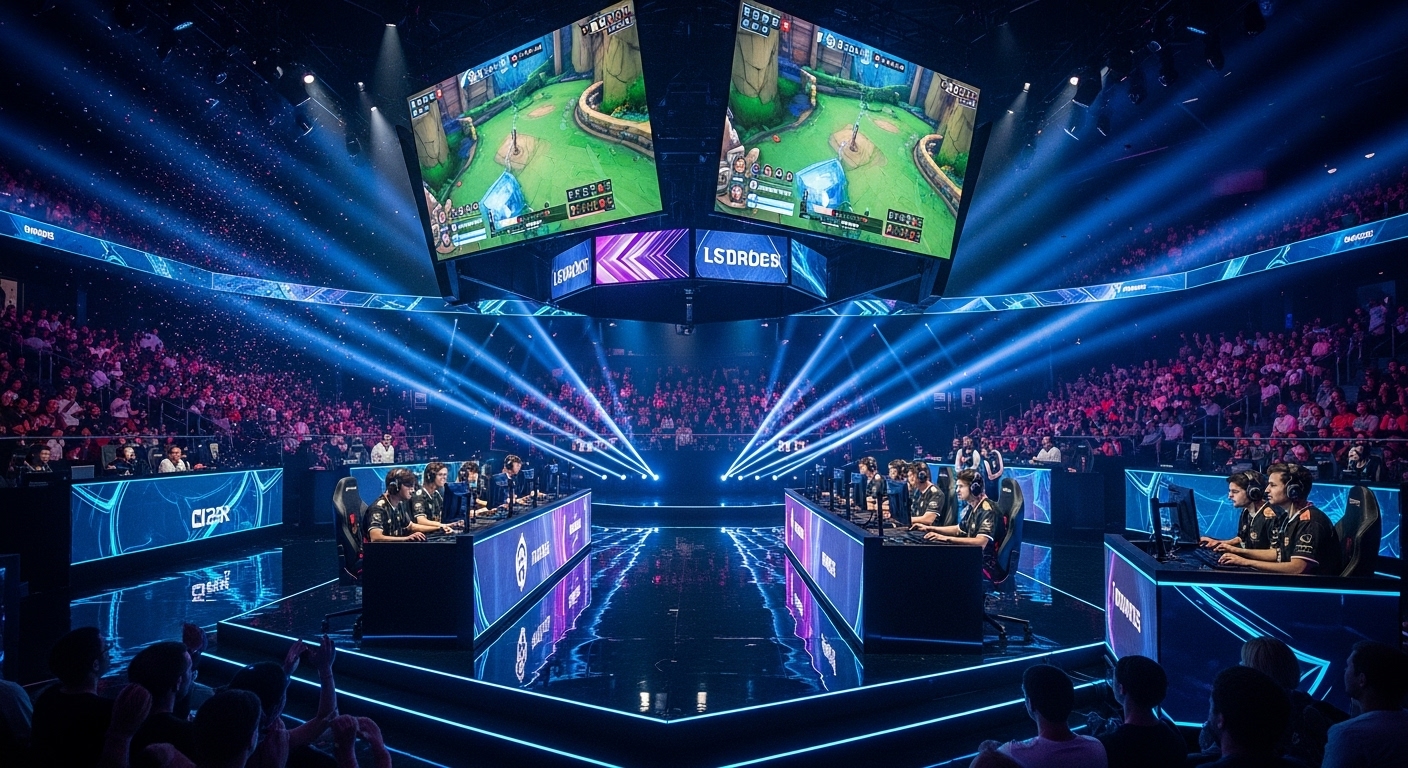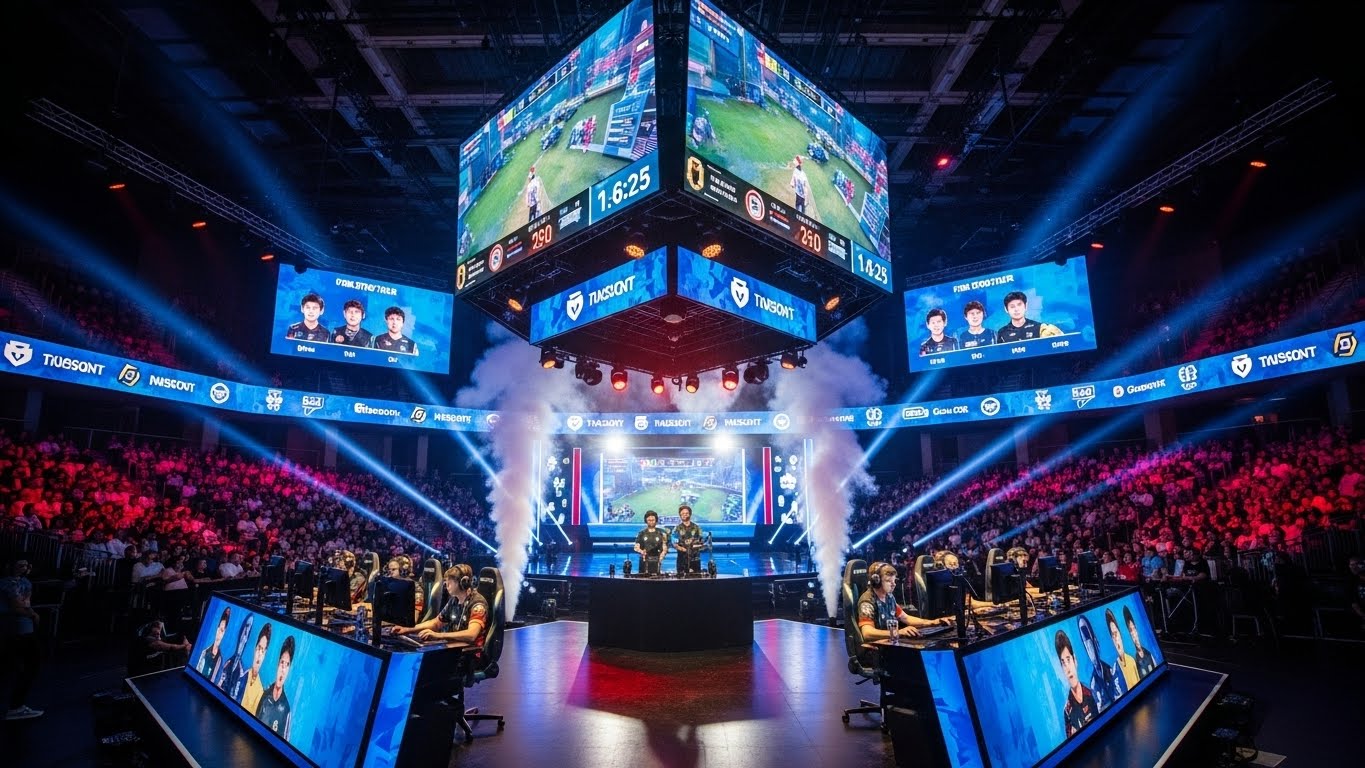






Esports has grown from a niche hobby into a global phenomenon that captivates millions of fans, players, and aspiring professionals. What began as simple competitions among friends has evolved into a multi-billion-dollar industry with international tournaments, professional teams, and dedicated fanbases. Beyond entertainment and competition, however, esports has had a profound influence on one of the most vital sectors of the gaming ecosystem—game design.
Future game designers are looking to esports not just as inspiration for gameplay mechanics, but also as a guide for innovation, balance, and community engagement. The rise of esports has created a feedback loop where players and designers influence each other. This evolving relationship is shaping the next generation of interactive entertainment. In this detailed exploration, we’ll look at how esports motivates, educates, and inspires the future of game design.
The Connection Between Esports and Game Design
At its core, esports revolves around competition, skill, and balance—three fundamental principles of good game design. The most successful esports titles, such as League of Legends, Counter-Strike: Global Offensive, Dota 2, Overwatch, and Fortnite, share a common trait: they are meticulously designed to reward mastery, encourage strategy, and support long-term engagement.
Aspiring game designers who study esports gain firsthand insights into how game mechanics influence player behavior, teamwork, and strategic depth. They learn that a truly great game is not just fun—it’s fair, competitive, and capable of sustaining a global audience.
By analyzing esports games, future designers can understand how balance patches, updates, and meta shifts affect communities and player satisfaction. This real-time feedback loop between developers and professional players creates a living case study in design evolution.
Competitive Balance as a Design Philosophy
One of the key lessons esports teaches future game designers is the importance of competitive balance. In traditional gaming, a player’s enjoyment comes from narrative or exploration. In esports, it comes from competition—and competition can only thrive when the game is fair.
Balancing a game means ensuring that no single character, weapon, or strategy dominates for too long. Esports developers like Riot Games and Valve employ entire teams dedicated to monitoring gameplay data, tournament results, and player feedback to keep the game fair and exciting.
Future designers studying these systems can learn how to fine-tune mechanics, create counterplay opportunities, and introduce diversity without breaking the balance. Esports emphasizes that good design isn’t about making every element equal—it’s about creating a dynamic environment where skill and creativity decide the outcome.
For example, in Overwatch, characters have unique abilities, but success relies on how teams coordinate their heroes rather than which hero they choose. This concept—rewarding teamwork and adaptation—has inspired many new designers to think beyond traditional balance methods.
Learning Through Observation and Analysis
Watching esports tournaments provides an educational experience for anyone aspiring to create games. Each match is a live demonstration of how players interact with a game’s systems under intense pressure.
Designers who observe these matches can see how mechanics hold up in high-level play. They learn what makes certain strategies dominant, which features encourage creativity, and which flaws frustrate players.
For example, when professional Dota 2 teams discovered complex combos that the developers hadn’t predicted, it highlighted the depth of the game’s design. Rather than patching them out immediately, Valve allowed these strategies to thrive, understanding that innovation keeps the community engaged.
Future game designers can learn from such examples that sometimes, unexpected gameplay outcomes are not problems but opportunities—showcasing the creativity of the player base and adding layers to the experience.
Esports as a Motivation for Innovation
Esports doesn’t just refine existing ideas—it inspires innovation. Many new game designers are driven to create titles that could one day be part of the professional esports scene. This ambition pushes them to think about long-term engagement, spectator appeal, and scalability from the very beginning of development.
Designers must consider how their game would perform in a competitive environment. Is it visually readable for spectators? Does it have enough depth for professional players? Can it evolve over time without losing accessibility? These questions encourage designers to think bigger and more creatively.
Titles like Valorant and Apex Legends were built with esports potential in mind, blending lessons from older games with fresh mechanics. This approach shows how the esports ecosystem fuels innovation by encouraging designers to push boundaries and experiment with new ideas while maintaining balance and depth.
The Influence of Player Feedback
In esports, player feedback is not just valuable—it’s essential. The competitive community is passionate, vocal, and analytical, constantly dissecting every detail of a game.
For future game designers, studying this relationship between developers and players provides crucial insights into how communication and iteration shape long-term success. Games like League of Legends and Fortnite are continuously updated based on player data, pro-level feedback, and community discussions.
This dynamic encourages designers to adopt a live service mindset, understanding that a game doesn’t end at release—it evolves. Future designers inspired by esports learn that maintaining a successful competitive title requires ongoing collaboration with the community, frequent updates, and responsiveness to trends.
Esports teaches that the best designers listen as much as they create.
Spectator Experience and Visual Design
Esports is not only played—it’s watched. Millions of fans tune in to live streams and tournaments to watch their favorite players and teams compete. This has led to a major shift in how game designers think about visual clarity and spectator engagement.
For a game to succeed as an esport, it must be easily understood by both players and viewers. Designers must ensure that action is readable, the interface is clean, and visual cues clearly communicate what’s happening on screen.
Games like Rocket League and Valorant are praised for their spectator-friendly design. Every movement, explosion, and objective is easy to follow, even for new audiences. Future game designers can learn from this how to blend aesthetic appeal with functional design—making games that are as exciting to watch as they are to play.
Additionally, the inclusion of replay tools, observer modes, and broadcast overlays in esports titles shows how design decisions can enhance viewership and accessibility. Aspiring designers studying esports learn that creating a game for competition means designing for two audiences: the players and the fans.
Teamwork and Social Design
Esports has shown that gaming is no longer a solitary experience—it’s social. Competitive titles rely heavily on teamwork, communication, and coordination. Future game designers take inspiration from this by focusing on social systems and cooperative mechanics.
Games like Overwatch and Rainbow Six Siege highlight how important role synergy and communication are to success. Designers who study these titles learn how to build systems that encourage collaboration without forcing it.
For example, future designers may create matchmaking systems that reward good communication, or mechanics that promote interdependence between different player roles. These ideas stem from observing how successful esports titles maintain balance between individual skill and team contribution.
Furthermore, the community-driven nature of esports inspires designers to build strong social features, such as in-game chat tools, friend lists, and team hubs. These systems make players feel part of something larger, fostering long-term engagement.
Esports as an Educational Platform
Esports has become an unexpected educational tool for aspiring game designers. Universities and colleges now offer degrees and courses focused on game design, esports management, and digital media. Through these programs, students study the technical and creative aspects of building games suitable for competitive environments.
Analyzing esports gives students real-world examples of design theory in action. They can examine how balance updates influence the meta, how new maps affect player strategy, and how UI design impacts audience engagement.
Some educational institutions even use esports to teach broader skills like leadership, teamwork, and communication—qualities essential to game development teams.
By studying esports, students don’t just learn how to make games; they learn how to make games that endure—titles that can evolve with their players and communities over time.
The Role of Data and Artificial Intelligence
Modern esports relies heavily on data analytics, which also informs the work of game designers. Designers use data to understand how players interact with different systems, where they struggle, and what features keep them engaged.
AI tools, for instance, can simulate millions of gameplay scenarios to test balance before human players even touch the game. Future designers inspired by esports are learning to integrate such tools into their workflows to create more refined, player-centered experiences.
Through esports analytics, they also gain insights into user behavior—how players adapt to new rules, how they exploit mechanics, and how their skills evolve. These lessons help designers craft systems that are both challenging and rewarding, ensuring that players remain invested over the long term.
Diversity and Inclusion in Game Design
Esports has also played a vital role in promoting diversity and inclusion within the gaming industry. The rise of female and non-binary players, as well as representation from different cultural backgrounds, has broadened the scope of what competitive gaming can look like.
Future game designers inspired by esports understand that inclusivity is more than a moral choice—it’s a creative advantage. Diverse player bases bring new perspectives, strategies, and styles of play that enrich both competition and design.
By designing characters, narratives, and systems that are inclusive, designers can appeal to wider audiences and build communities that mirror the diversity of global esports fandom.
Esports and the Future of Interactive Design
The influence of esports reaches far beyond traditional gaming. It has begun to shape the future of interactive media and digital experiences. Designers are now exploring how competitive mechanics can be integrated into non-traditional games, educational tools, and virtual reality environments.
The concept of mastery, progression, and reward—central to esports—is being adopted in training simulators, interactive storytelling, and even workplace learning programs. Esports is teaching designers that engagement comes from challenge, recognition, and improvement.
This philosophy will continue to inspire future creators to design systems that motivate users to learn, grow, and compete—not just in games, but in all digital spaces.
Real-World Inspiration from Esports Success Stories
The success of certain esports titles has directly inspired new generations of designers. Games like League of Legends have shown how constant evolution and community feedback can sustain a game for over a decade. Fortnite has demonstrated how creative content and crossovers can keep an audience entertained. Counter-Strike has taught the value of simplicity and precision, proving that deep gameplay doesn’t always require complex systems.
Aspiring designers take these lessons to heart. They learn to balance accessibility with depth, casual fun with professional competition, and innovation with consistency.
In essence, every esports success story becomes a blueprint—a living lesson in how good design, when executed with care and adaptability, can lead to cultural and commercial longevity.
The Future Relationship Between Esports and Game Design
As esports continues to grow, its relationship with game design will only deepen. Future designers will collaborate directly with professional players during development, ensuring that competitive integrity and creativity coexist.
We can expect new games to be built with modular design, allowing for frequent updates without disrupting balance. AI-driven analytics will help developers predict meta shifts before they happen, while virtual reality may create entirely new genres of competitive play.
Future designers will view esports not as a separate field but as an integral part of interactive design philosophy—where competition, community, and creativity unite.
Conclusion
Esports is more than just competitive gaming; it is a living laboratory for game design. It challenges future designers to think critically about balance, fairness, community engagement, and innovation. By observing professional players, studying audience reactions, and analyzing game updates, aspiring creators gain invaluable lessons on what makes a game truly great.
The influence of esports extends beyond tournaments and championships—it shapes how games are built, how they evolve, and how they connect people around the world. For future game designers, esports serves as both inspiration and education, demonstrating that the best games are not just played—they are lived, celebrated, and continually improved by the communities that love them.
As the esports industry continues to evolve, it will remain a powerful source of inspiration for future generations of game designers—guiding them toward creating the next wave of competitive, engaging, and unforgettable gaming experiences.