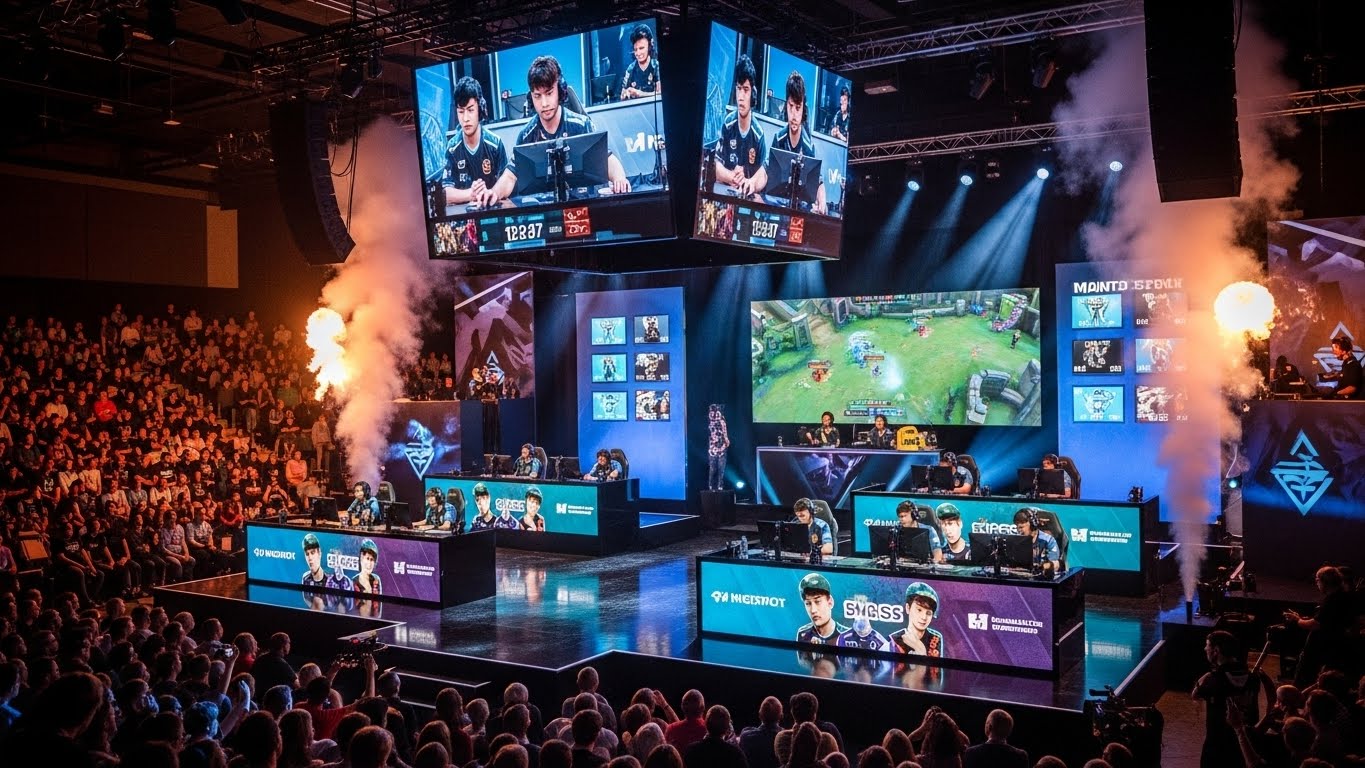







Esports has transformed from a niche hobby into a multi-billion-dollar global industry, attracting attention not just from gamers and fans but also from high-profile investors. The influx of capital has fueled professional leagues, tournament prize pools, player salaries, and the growth of esports organizations worldwide. Investors are not only funding competitive teams but also the technology, media platforms, and infrastructure that sustain the entire ecosystem.
Understanding the key players in esports investment highlights how financial backing is shaping the industry, driving innovation, and creating opportunities for new talent and markets.
Venture Capital Firms Driving Esports Innovation
Venture capital (VC) firms have been instrumental in funding startups and esports organizations, particularly in the early stages of the industry. They provide the financial resources required to scale operations, expand globally, and develop new technologies.
- Sequoia Capital
Sequoia Capital, a legendary VC firm known for early investments in companies like Apple and Google, has shown significant interest in esports. By backing gaming startups and platforms, Sequoia has helped professionalize the industry and bring new technologies to competitive gaming. - Andreessen Horowitz (a16z)
Andreessen Horowitz is a major player in the tech and gaming investment space. The firm has invested in esports platforms, streaming services, and competitive gaming infrastructure. Their approach emphasizes long-term scalability and integration with broader entertainment and tech ecosystems. - Bitkraft Ventures
Specializing in esports and gaming investments, Bitkraft Ventures focuses exclusively on startups in the competitive gaming space. They fund everything from esports teams and event organizers to technology platforms that enhance gameplay, streaming, and fan engagement.
VC investment has enabled esports organizations to grow rapidly, professionalize operations, and expand beyond regional markets into global audiences.
Traditional Sports Investors Entering the Esports Arena
Many traditional sports teams and athletes have recognized esports as a growth opportunity, bringing capital, branding, and operational expertise to the industry.
- Robert Kraft and Kraft Group
The owner of the NFL’s New England Patriots, Robert Kraft, has invested in esports organizations, including Boston Uprising in the Overwatch League. These investments bring not only funding but also organizational knowledge from traditional sports management. - David Beckham
Football legend David Beckham has invested in esports ventures, demonstrating how celebrity investors can amplify the visibility of teams and leagues. His involvement also bridges the gap between traditional sports and esports audiences. - Manchester City and Premier League Teams
Clubs like Manchester City have established esports divisions, attracting investors and sponsors while leveraging their existing brand equity to enter competitive gaming. These traditional sports investors provide stability and long-term vision for esports teams.
Tech Giants and Platform Investors
Technology companies and platform investors play a unique role in esports by providing infrastructure, streaming platforms, and media support.
- Tencent
Tencent, the Chinese tech giant, is a dominant force in esports investment. Owning Riot Games (League of Legends) and holding stakes in Epic Games (Fortnite) and Activision Blizzard, Tencent has a direct impact on the competitive landscape globally. Their investments drive tournament organization, game development, and international expansion. - Amazon (Twitch)
Amazon’s acquisition of Twitch in 2014 fundamentally changed esports broadcasting and monetization. Twitch provides a platform for streaming, fan engagement, and sponsorship exposure, and its growth has attracted investors to the broader esports ecosystem. - Google (YouTube Gaming)
Google’s YouTube Gaming supports esports content and streaming, offering monetization tools for players and teams. Investments in streaming infrastructure enhance visibility and revenue opportunities for the competitive gaming industry.
Angel Investors Shaping Emerging Talent
Individual investors and gaming enthusiasts have also contributed to the growth of esports by funding early-stage teams, tournaments, and content platforms.
- Mark Cuban
The billionaire entrepreneur has invested in esports teams and ventures, including Mavs Gaming, a professional NBA 2K League team. His involvement provides not only capital but strategic guidance and media exposure. - Alexis Ohanian
Reddit co-founder Alexis Ohanian has backed esports startups and platforms, emphasizing community-driven growth and technological innovation. His support helps new esports companies scale effectively. - Mike Novogratz
As a cryptocurrency investor and entrepreneur, Novogratz has also explored esports-related investments, particularly in areas combining digital assets and gaming economies, such as NFTs and esports merchandising.
Angel investors often take higher risks but can provide transformative funding for startups and emerging teams that lack traditional revenue streams.
Corporate Investment and Sponsorship
Beyond individual and VC investors, corporations play a critical role in funding esports organizations. Brands from technology, energy drinks, apparel, and entertainment industries provide sponsorships, equity stakes, and strategic partnerships.
- Intel, NVIDIA, and AMD provide technology sponsorships, tournament funding, and hardware partnerships.
- Red Bull and Monster Energy sponsor teams, events, and player content, amplifying visibility and engagement.
- Nike and Puma enter esports through team apparel deals, bridging traditional consumer markets with gaming audiences.
Corporate investments not only provide funding but also increase the legitimacy and mainstream acceptance of esports as a professional industry.
Impact of Investment on Esports Growth
Investor activity has directly influenced the growth and structure of esports organizations in several ways:
- Professionalization: Funding allows teams to hire coaches, analysts, psychologists, and support staff.
- Global Expansion: Investors provide resources for international tournaments, team houses, and cross-regional leagues.
- Prize Pools and Competitive Incentives: Larger investments increase tournament prize pools, attracting top-tier talent.
- Technology Integration: Funding enables advanced training software, analytics tools, and streaming infrastructure.
- Media and Branding Opportunities: Investor backing helps organizations expand fan engagement through content, merchandise, and global marketing campaigns.
These impacts collectively contribute to the sustainability and growth of esports as both a competitive and entertainment industry.
Challenges for Investors
While esports is growing rapidly, investors face challenges:
- Market Volatility: Game popularity can shift quickly, impacting team valuations and revenue.
- High Operational Costs: Salaries, travel, and facilities can strain budgets without diversified revenue.
- Talent Retention: Top players often switch teams, affecting return on investment.
- Regulatory Uncertainty: Esports contracts, intellectual property, and international laws require careful navigation.
Successful investors mitigate these risks through diversified portfolios, strategic partnerships, and long-term planning.
The Future of Esports Investment
The future of esports investment is likely to focus on:
- Franchise-Based Leagues: Investments in structured league systems like the Overwatch League and League of Legends franchising provide stability and predictable returns.
- Technology and Analytics: Funding for AI-driven performance analysis, VR/AR competitions, and fan engagement platforms.
- Content and Entertainment: Investments in streaming, esports documentaries, and influencer-driven marketing.
- Global Market Expansion: Entering emerging markets in Asia, Latin America, and Africa where esports is rapidly growing.
Investors will continue shaping the industry, fueling innovation and creating opportunities for professional players and organizations worldwide.
Conclusion
Investors are a driving force behind the explosive growth of esports. From venture capital firms and angel investors to traditional sports owners and corporate sponsors, financial backing fuels talent development, global expansion, and technological innovation.
By providing funding, strategic guidance, and media exposure, these investors help esports organizations professionalize and thrive. Their involvement ensures that competitive gaming continues to grow as a sustainable industry, offering opportunities for players, fans, and stakeholders alike.
The future of esports will increasingly rely on investor insight, creativity, and capital, making funding a critical component of the industry’s continued success.