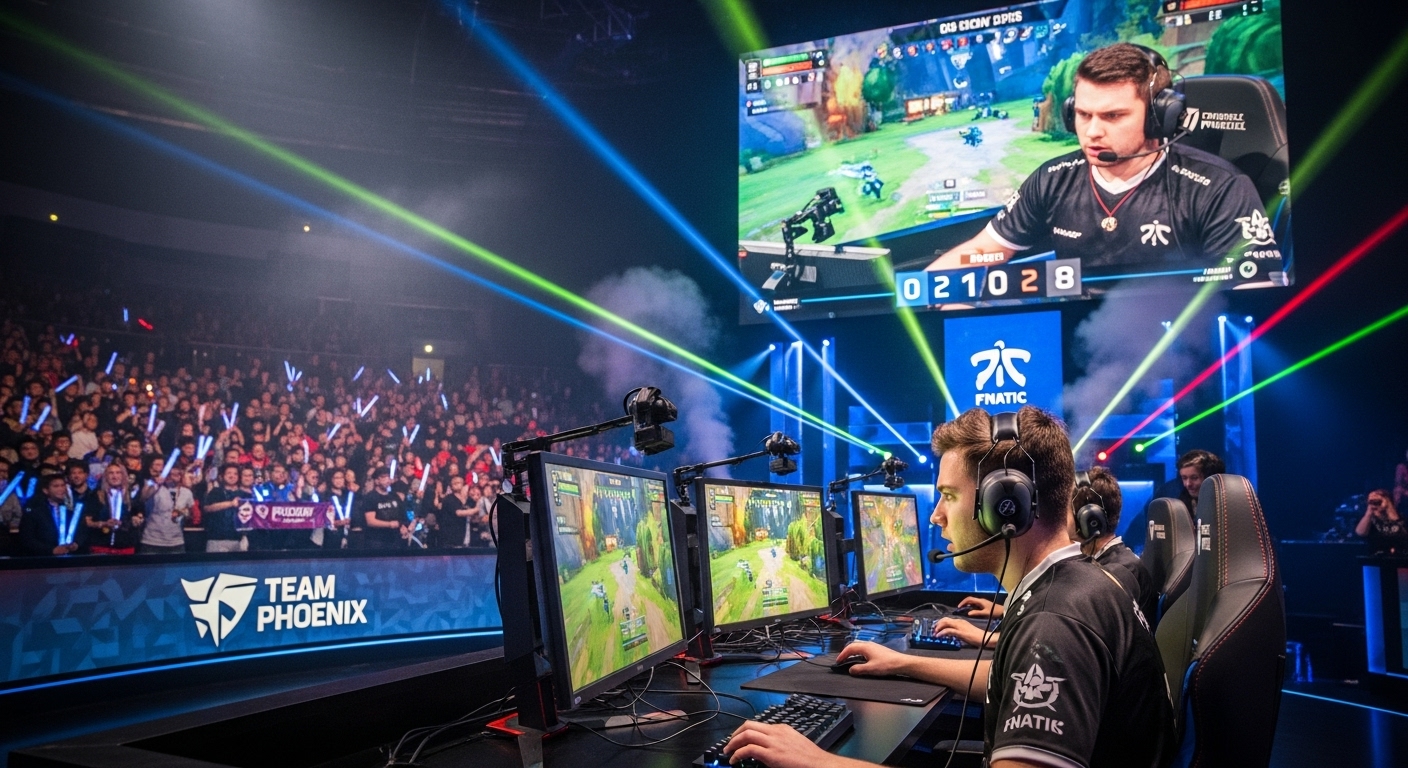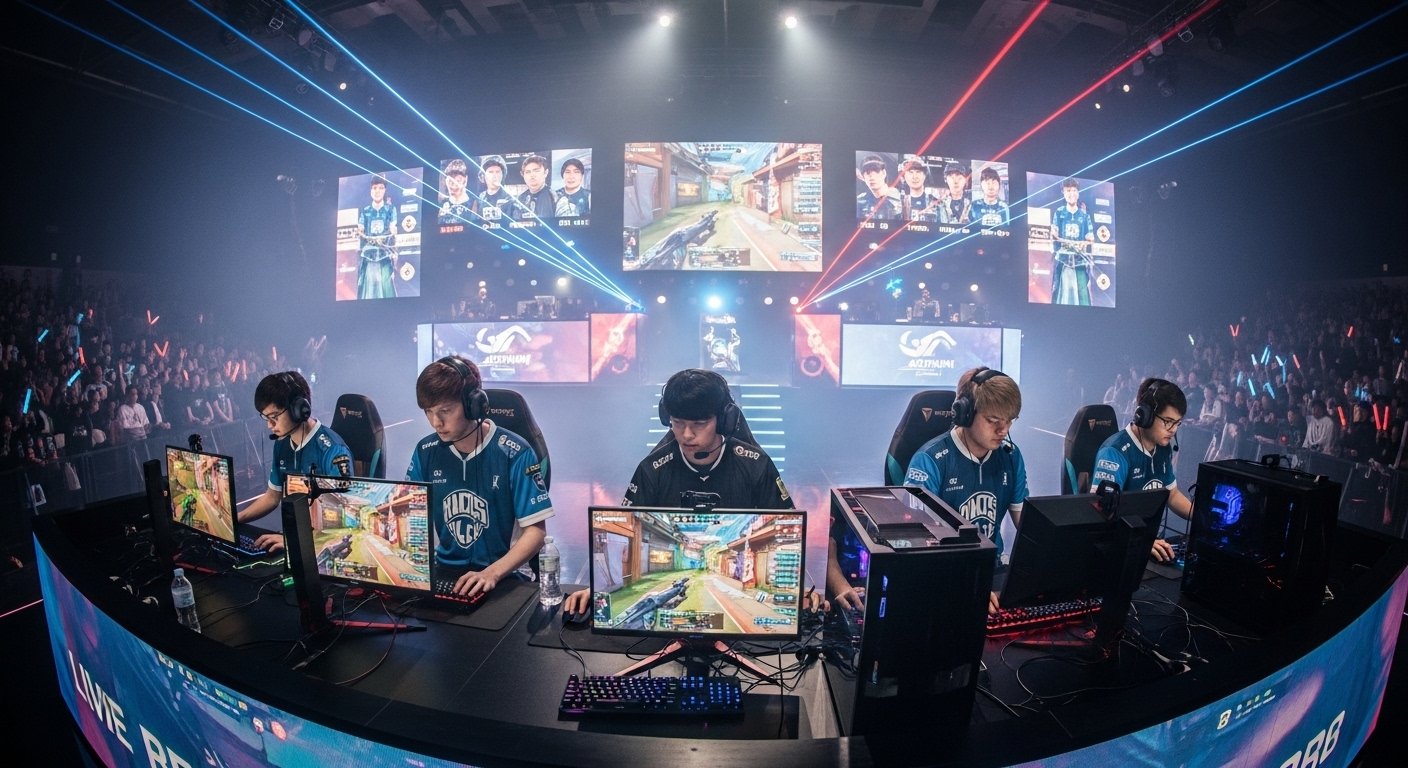






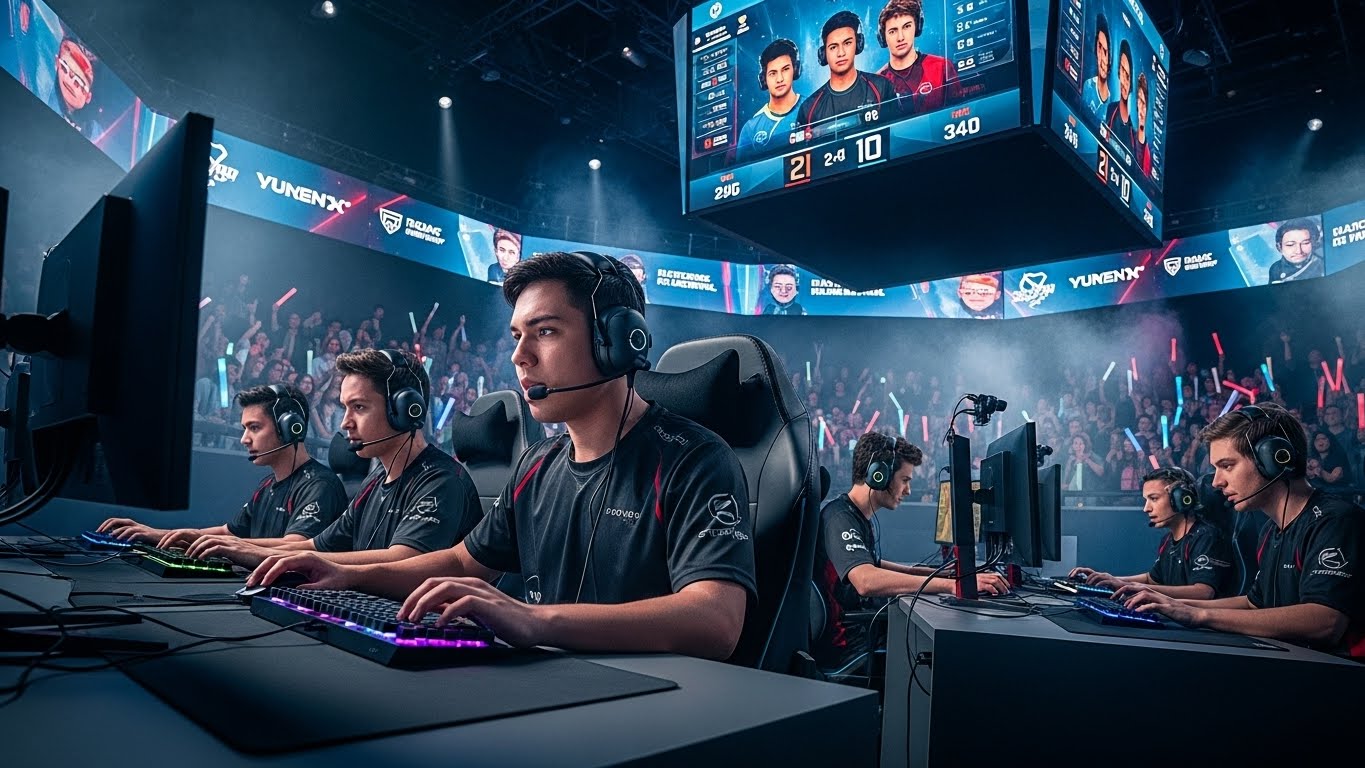
The world of sports has always been about skill, strategy, and the thrill of competition. However, the rise of esports has transformed the definition of competitive excellence. Esports, or electronic sports, refers to organized, competitive gaming where players or teams face off in video games at a professional level. Over the past two decades, esports has grown from a niche hobby into a global industry with millions of players, fans, and professional organizations. This blog explores the origins, impact, challenges, and future of esports as a cultural and competitive phenomenon.
The Origins and Evolution of Esports
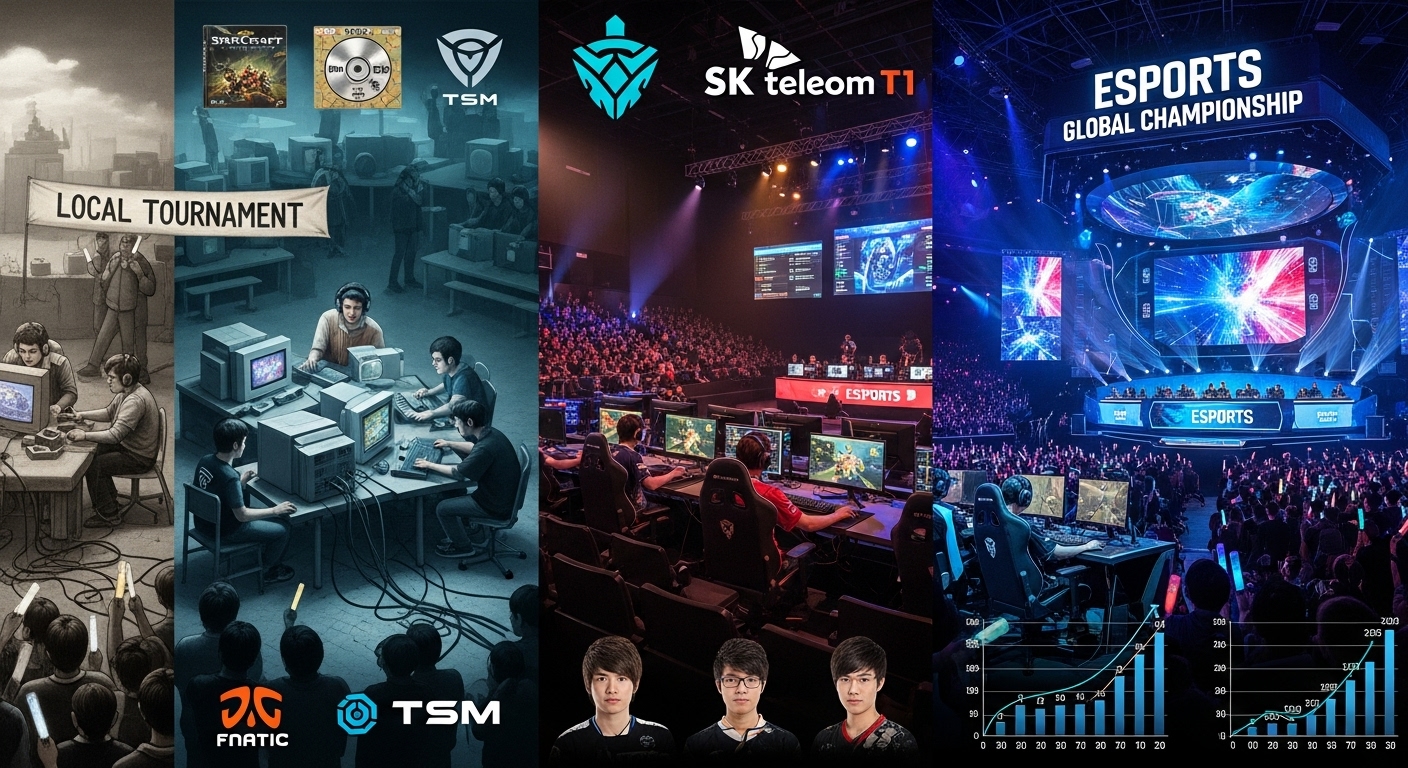
Esports began modestly in the 1970s and 1980s with arcade competitions and small tournaments. Early games like Pong and Space Invaders attracted local enthusiasts, while the 1990s saw the emergence of competitive gaming in titles such as StarCraft and Counter-Strike. These early competitions laid the groundwork for a structured and competitive gaming culture.
The internet revolutionized esports, enabling players from around the world to connect and compete. Online multiplayer games became the foundation for esports tournaments, fostering global communities. The early 2000s witnessed the rise of organized leagues and major tournaments, turning competitive gaming into a spectator sport. Today, esports is a highly professionalized industry, with international events, sponsorship deals, and millions of viewers tuning in to watch live streams and broadcasts.
The Professional Esports Ecosystem
Esports is no longer just a hobby; it is a professional ecosystem with multiple career paths. Professional players compete in tournaments and leagues, earning salaries, sponsorships, and prize money. Teams invest in coaching staff, analysts, psychologists, and nutritionists to enhance performance, highlighting the level of commitment and professionalism in esports.
Beyond players, esports offers careers in game development, content creation, broadcasting, event management, marketing, and coaching. Universities and educational institutions have begun offering esports programs and scholarships, recognizing gaming as a legitimate discipline. This professional ecosystem has elevated esports to a status comparable with traditional sports, creating opportunities for growth and innovation across industries.
Popular Esports Genres and Games
Esports spans multiple genres, each with unique strategies and fanbases. Real-time strategy games like StarCraft focus on quick decision-making and resource management. First-person shooters such as Counter-Strike and Call of Duty emphasize precision, reflexes, and teamwork. Multiplayer online battle arena games, or MOBAs, like League of Legends and Dota 2, demand coordination, strategy, and adaptability. Battle royale games such as Fortnite and Apex Legends combine survival tactics with competitive gameplay.
The diversity of esports games ensures a wide appeal, attracting different audiences and fostering unique communities. This variety also allows players to specialize and develop expertise, creating a layered competitive environment that mirrors the complexity of traditional sports leagues.
The Global Audience of Esports
Esports has cultivated a massive global audience, with millions tuning in to watch live streams, tournaments, and esports events. Platforms that host streaming content allow fans to interact with players, share experiences, and become part of vibrant online communities. This interactive aspect distinguishes esports from traditional sports, as fans can engage directly with players in real-time.
Major esports events attract viewership numbers comparable to some of the world’s largest traditional sporting events. The League of Legends World Championship, Dota 2’s The International, and Fortnite’s World Cup draw tens of millions of viewers worldwide. This growing audience demonstrates that esports is not only a participatory activity but also a cultural phenomenon with entertainment, social, and economic significance.
The Role of Technology in Esports
Technology is at the heart of esports. High-performance gaming equipment, advanced software, and stable internet connections are essential for competitive play. Technological advancements have also enhanced audience experiences through high-definition streaming, real-time statistics, and immersive graphics.
Data analytics plays a crucial role in modern esports. Teams study gameplay footage to identify patterns, improve strategies, and gain a competitive edge. Artificial intelligence and machine learning are increasingly used to simulate opponents and optimize training programs. Technology has made esports more professional, strategic, and accessible, allowing players to reach higher levels of performance and fans to engage more deeply with the competition.
Esports and Youth Engagement
Esports has had a profound impact on youth culture. For young people, gaming offers not just entertainment but also opportunities for learning, skill development, and social interaction. Esports fosters teamwork, problem-solving, communication, and strategic thinking, skills that are transferable to academics and future careers.
Schools and universities are recognizing esports as an educational tool. Many institutions now provide esports programs, host tournaments, and offer scholarships for talented players. This integration of esports into education encourages discipline, commitment, and critical thinking, showing that competitive gaming can be both fun and academically beneficial.
Health and Wellbeing in Esports
While esports offers numerous benefits, it also presents health challenges. Extended hours of gaming can lead to physical strain, including eye fatigue, repetitive strain injuries, and poor posture. Mental health concerns, such as stress, anxiety, and burnout, are prevalent among competitive players due to the intense pressure to perform.
Professional esports organizations address these concerns through structured schedules, physical exercise routines, mental health support, and proper nutrition. Promoting a balanced lifestyle is essential for sustaining long-term performance and well-being. Awareness of health and wellness ensures that esports remains a sustainable and positive environment for players and the broader community.
Diversity and Inclusion in Esports
Esports has a unique advantage over traditional sports: it can be more inclusive. Success in esports depends primarily on skill, strategy, and teamwork rather than physical attributes. This inclusivity has allowed women, players with disabilities, and individuals from diverse backgrounds to compete at high levels.
Esports organizations actively promote diversity through initiatives, mentorship programs, and inclusive tournaments. By creating opportunities for underrepresented groups, esports fosters equality, empowerment, and global participation, making it a model for inclusive competition in the digital age.
Challenges Facing the Esports Industry
Despite its rapid growth, esports faces several challenges. Lack of standardized regulations can lead to cheating, disputes, and ethical dilemmas. Online toxicity and harassment are significant issues that impact players and communities. Financial instability is also a concern, as the industry relies heavily on sponsorships, streaming revenue, and audience engagement.
Addressing these challenges requires cooperation among developers, organizations, players, and governing bodies. Implementing ethical standards, creating supportive environments, and promoting fair competition are essential for maintaining credibility and ensuring the long-term growth of esports.
The Future of Esports
The future of esports is bright, with continuous innovation and expansion. Emerging technologies like virtual reality, augmented reality, and cloud gaming promise to redefine competition, training, and audience interaction. Esports is also likely to gain further recognition from governments, educational institutions, and mainstream media, solidifying its legitimacy as a professional and cultural pursuit.
The integration of esports with traditional sports, through collaborations and hybrid events, will further enhance its global appeal. As esports continues to evolve, it will offer new opportunities for players, fans, and organizations, creating a vibrant ecosystem that blends entertainment, culture, and competition.
Conclusion: Esports as a Modern Cultural Phenomenon
Esports has transformed competitive gaming into a global cultural and professional phenomenon. It offers opportunities for personal growth, professional careers, and community engagement. With its global audience, technological innovation, and diverse participation, esports demonstrates that competition extends beyond physical boundaries.
As the industry continues to grow, esports represents more than just gaming—it embodies strategy, skill, creativity, and collaboration. It reflects the changing landscape of sports in the digital era, offering entertainment, education, and inspiration to millions worldwide. The rise of esports marks a shift in how society perceives competition, proving that the thrill of victory and the lessons of teamwork can thrive in the digital realm.