





In the world of sports, competition is the driving force behind the excitement. But as technology continues to advance, a new kind of competition has emerged that combines skill, strategy, and a global community. This is esports—electronic sports—that has quickly risen from being a niche hobby to a global phenomenon. Today, esports boasts millions of fans, a massive industry, and professional players who are regarded as athletes in their own right. In this blog post, we’ll explore how esports is shaping the future of competitive entertainment and why it’s here to stay.
What Exactly Is Esports?
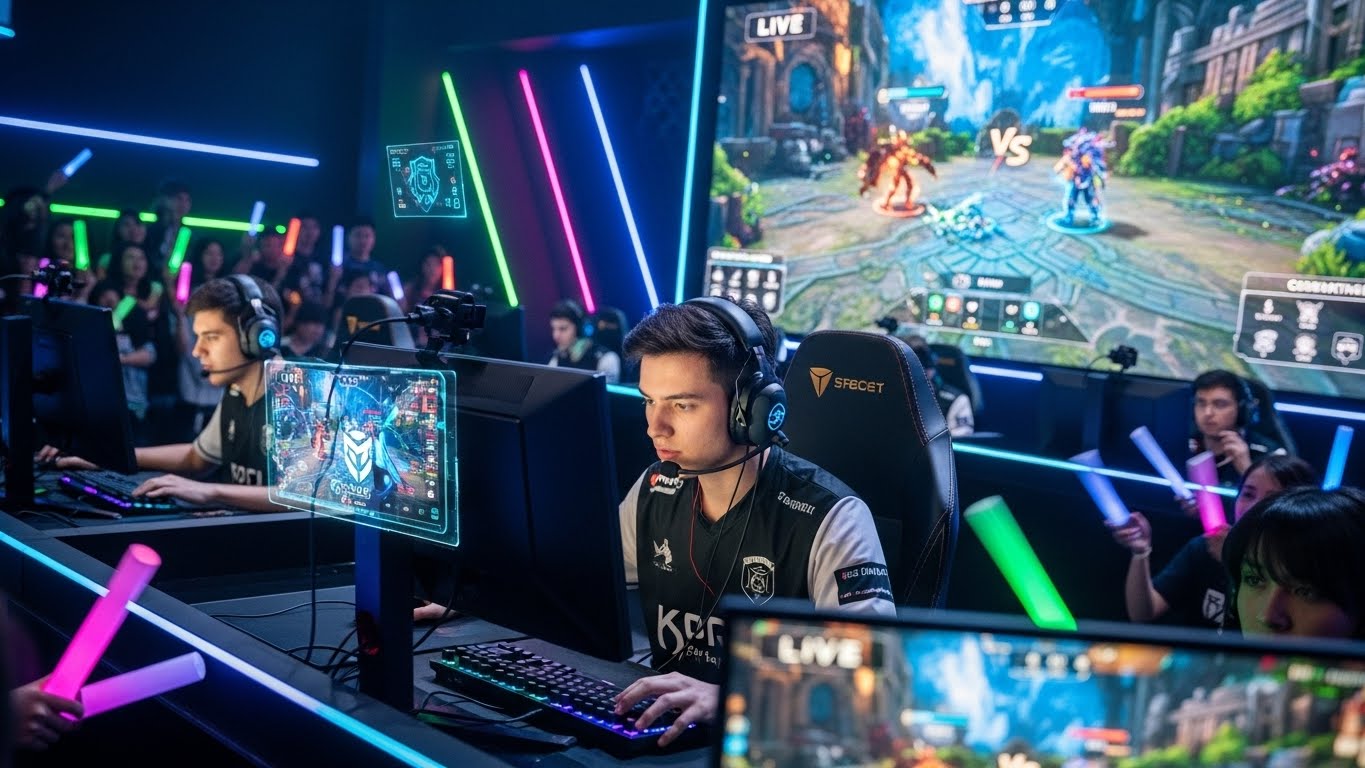
Esports is essentially competitive video gaming played professionally, often at a team level, where players battle it out in virtual arenas in front of large audiences. The games span various genres, from real-time strategy (RTS) games like StarCraft, to first-person shooters (FPS) like Counter-Strike: Global Offensive, and even multiplayer online battle arenas (MOBAs) like League of Legends. These events are broadcast online to millions of viewers, with many tournaments offering huge prize pools that can reach into the millions of dollars.
But unlike casual gaming, esports requires high-level skill and strategic thinking. Professional gamers dedicate countless hours to practicing, analyzing gameplay, and refining their techniques, much like athletes in traditional sports. The rise of esports has transformed competitive gaming into an industry that rivals traditional sports leagues in terms of viewership, sponsorship, and media coverage.
The Rise of Esports Tournaments
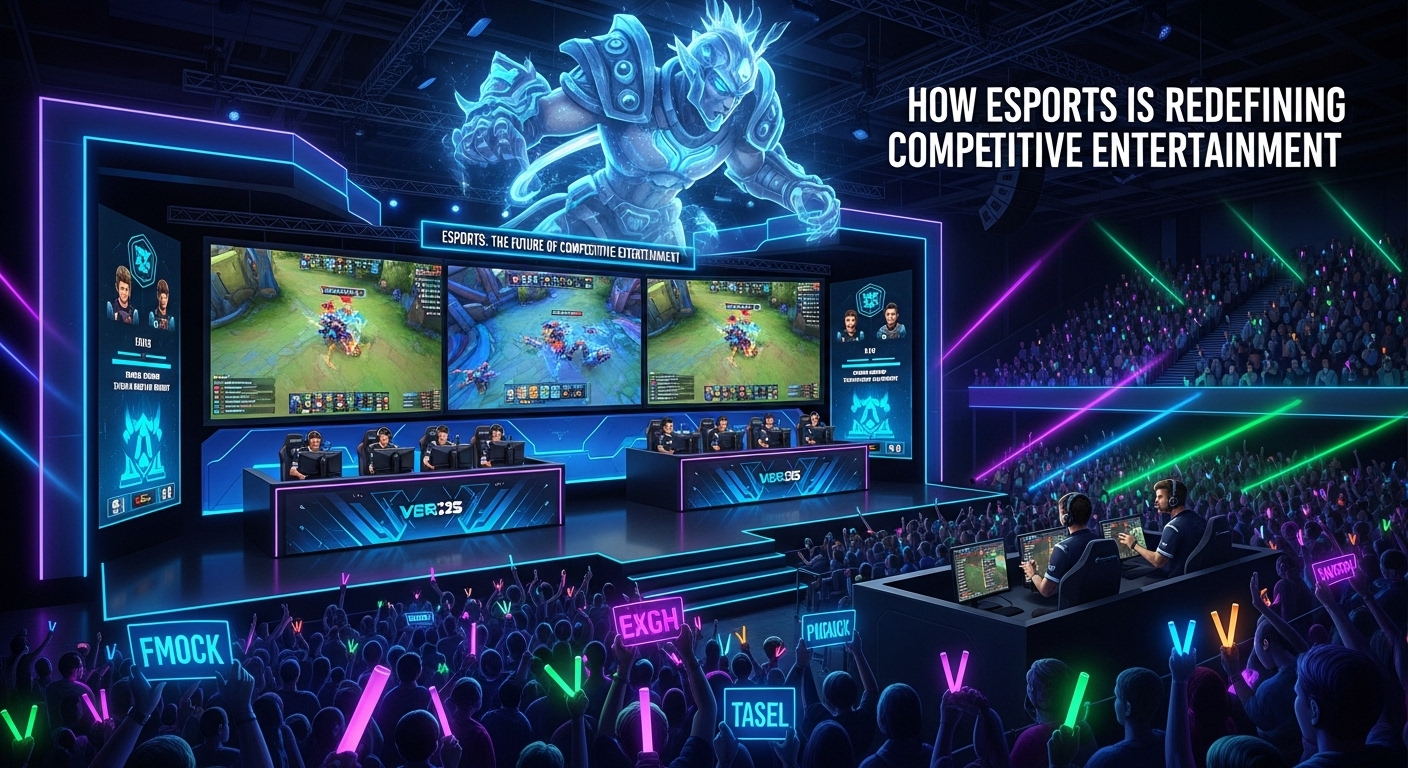
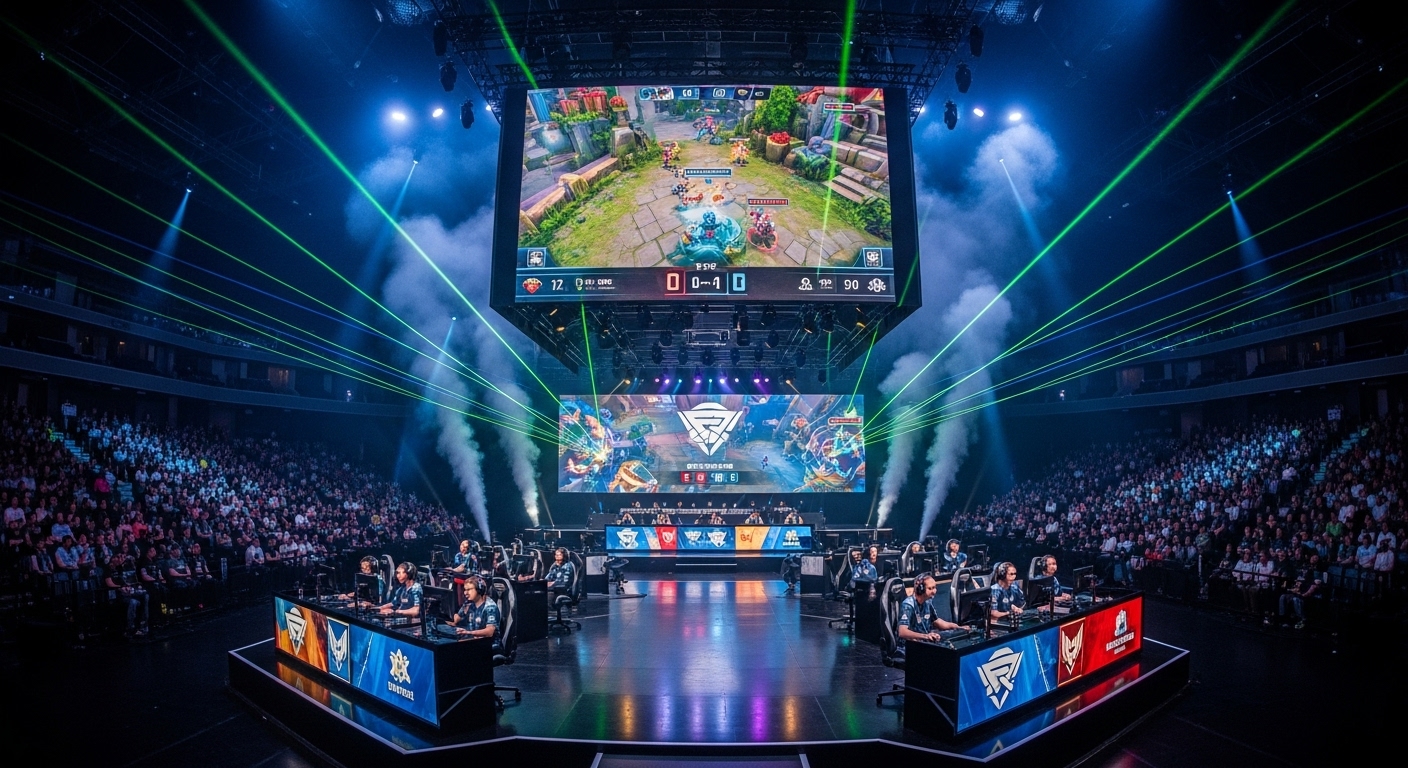
The heart of esports is found in its tournaments. Major events like The International, the League of Legends World Championship, and the Overwatch League have become global spectacles, attracting fans from all corners of the world. What sets esports tournaments apart is their accessibility. Fans don’t need to travel to massive stadiums to enjoy the action; they can watch live streams on platforms like Twitch, YouTube Gaming, and Facebook Gaming from the comfort of their homes.
These tournaments have become arenas where the world’s best players and teams showcase their skills. The prize money is often staggering, with tournaments like The International offering prize pools worth tens of millions of dollars. The stakes are high, the competition fierce, and the excitement palpable. As the popularity of these events continues to grow, so too does the scale, with some tournaments now attracting audiences in the tens of thousands of people in live arenas and millions more watching online.
Esports as a Career Path
One of the most fascinating aspects of esports is how it has opened up a viable career path for gamers. Professional players are no longer just hobbyists or amateurs—they are highly skilled athletes who can earn significant salaries through sponsorships, tournament prizes, and even streaming their gameplay.
Many esports athletes spend hours training and refining their skills in order to compete at the highest level, and just like athletes in traditional sports, they often have coaches, analysts, and teams behind them helping to strategize and improve performance. These players are also becoming more than just competitors—they are brands in their own right, with social media followings, personal streams, and sponsorships from big companies like Intel, Coca-Cola, and Nike.
The rise of esports has also created job opportunities for non-players. There are now full-time careers for coaches, analysts, event organizers, content creators, commentators, and even esports journalists. The industry has become a massive ecosystem with multiple facets, offering a wide range of career paths for anyone interested in being a part of the competitive gaming world.
The Role of Streaming Platforms in Esports Growth
Streaming platforms like Twitch, YouTube Gaming, and Facebook Gaming have been instrumental in the rise of esports. These platforms have allowed fans to engage with their favorite players and teams in real time, watch matches, and even participate in the community by chatting or donating to players. The ability to watch live tournaments and interact with commentators and fellow fans has brought a new level of intimacy and excitement to the esports experience.
Twitch, in particular, has become a hub for esports content, with top players streaming their training sessions, casual games, and even hosting Q&A sessions with fans. This interactivity makes esports not just a spectator sport but a community-driven event where fans are part of the action, regardless of whether they are watching from home or attending in person.
Streaming has also allowed esports to be more inclusive. Fans from all over the world, regardless of location or time zone, can tune in to watch their favorite games and players. The real-time accessibility has created a global community that extends far beyond the walls of the physical tournament venues.
Sponsorships and Investments Fueling Esports Growth
As the esports industry continues to grow, so does the level of investment from major brands and organizations. Companies from a variety of sectors—technology, energy drinks, apparel, and even automotive—are pouring money into esports, sponsoring events and individual players. Brands like Red Bull, Coca-Cola, and Mercedes-Benz have made significant investments, not only in sponsoring tournaments but also in producing content and collaborating with esports organizations.
These sponsorships play a crucial role in the financial ecosystem of esports, allowing tournaments to offer massive prize pools, support the growth of professional teams, and fund the infrastructure that makes these events possible. Beyond tournament sponsorships, companies are also investing in gaming hardware, peripherals, and platforms to ensure they are front and center in this booming market. As a result, the business side of esports is thriving, helping to push the industry to new heights.
Esports and Traditional Sports: A New Era of Competition
One of the most interesting developments in the world of esports is its integration with traditional sports. Major sports leagues like the NBA, NFL, and FIFA are beginning to recognize the value of esports, both as a form of entertainment and as a way to reach younger, tech-savvy audiences. The NBA 2K League, for example, is a professional esports league based around the NBA 2K video game, offering fans a new way to engage with the sport and players they love.
This crossover between esports and traditional sports is mutually beneficial. Esports brings new fans to the table, often from younger demographics who may not traditionally be drawn to physical sports. In return, traditional sports organizations gain access to a whole new world of technology, branding opportunities, and a more connected, global fanbase.
The collaboration between esports and traditional sports represents a broader shift in how competition and entertainment are defined. Fans are no longer limited to just watching physical games; they can now engage in virtual arenas, watching their favorite players compete on the same level as professional athletes.
The Global Appeal of Esports
Perhaps one of the most exciting aspects of esports is its global appeal. Unlike traditional sports, which can be limited by geography, esports is truly universal. Players from different countries, cultures, and backgrounds can compete against one another, and fans can watch from any part of the world.
Major esports events are often held in cities across the globe, from North America and Europe to Asia and South America. The virtual nature of the competitions allows for a truly international experience, breaking down the barriers that exist in traditional sports. This global connectivity has created an entirely new level of fandom, where players and fans can unite across borders to share in the excitement of the competition.
Esports also offers a level playing field that traditional sports cannot. Unlike physical sports, where natural athleticism often plays a huge role in success, esports allows players to compete based on skill, strategy, and teamwork, regardless of physical limitations. This inclusivity makes esports more accessible and diverse, helping to attract a wide range of participants and fans.
The Future of Esports
As esports continues to grow, the future is incredibly bright. The industry is evolving rapidly, with new games, technologies, and formats emerging constantly. Virtual reality (VR) and augmented reality (AR) are expected to play a major role in the future of esports, potentially creating new, more immersive ways to engage with the action. Additionally, mobile esports is on the rise, with games like PUBG Mobile and Arena of Valor attracting huge audiences and making competitive gaming accessible to even more people.
Esports is also expected to become more mainstream, with larger investments from traditional sports organizations, media companies, and global brands. We may even see esports included in the Olympic Games, as discussions about its potential for inclusion continue to heat up.
As technology improves, the reach of esports will continue to expand, and with it, the opportunities for players, fans, and industry professionals. Esports is no longer just a trend—it’s a permanent fixture in the world of entertainment, and its impact will only grow in the years to come.
Conclusion: A New Era of Competitive Entertainment
Esports has come a long way from its humble beginnings as a niche hobby. Today, it is a global industry that is reshaping the way we think about sports, competition, and entertainment. With its vast fan base, professional players, and worldwide reach, esports is proving that the future of entertainment is digital and interactive.
As the industry continues to evolve, esports will become an even bigger part of the global entertainment landscape. Whether you’re a player, a fan, or someone looking to enter the world of competitive gaming, there has never been a better time to be a part of this exciting and dynamic community. The esports revolution is here—and it’s only just beginning.