





Introduction: The New Age of Competitive Play
Just a decade ago, few could have imagined that video games would one day fill arenas, attract millions of viewers, and generate careers that rival traditional sports. Today, esports stands as one of the fastest-growing entertainment industries in the world. Its rise has been fueled by passion, technology, and a global community that thrives on competition and creativity. This blog explores how esports evolved from a hobby to a worldwide movement, why it continues to grow, and what the future holds for competitive gaming.
The Evolution of Gaming from Pastime to Professional Sport
Video games have existed for generations, but only recently have they transformed into organized, professional competitions. In the early days, gaming tournaments were small events held at local arcades or college campuses. They were friendly battles for bragging rights rather than structured sports. As technology advanced and online multiplayer games emerged, players from different countries could finally compete without being in the same room. This connectivity created a foundation for larger events, professional teams, and dedicated training, pushing gaming toward legitimacy as a competitive sport.
Why Esports Captivates Global Audiences
What makes esports so appealing is its blend of strategy, skill, personality, and unpredictability. Fans tune in for the same reasons they watch traditional sports: competition, excitement, and storytelling. Players display quick reflexes, tactical thinking, and team coordination that rival any physical sport. The digital format also allows for dynamic experiences, from imaginative characters to complex game worlds, creating narratives that traditional sports cannot replicate. The accessibility of streaming platforms has allowed anyone with an internet connection to join the audience, making esports a global spectacle.
The Rise of Professional Players and Teams
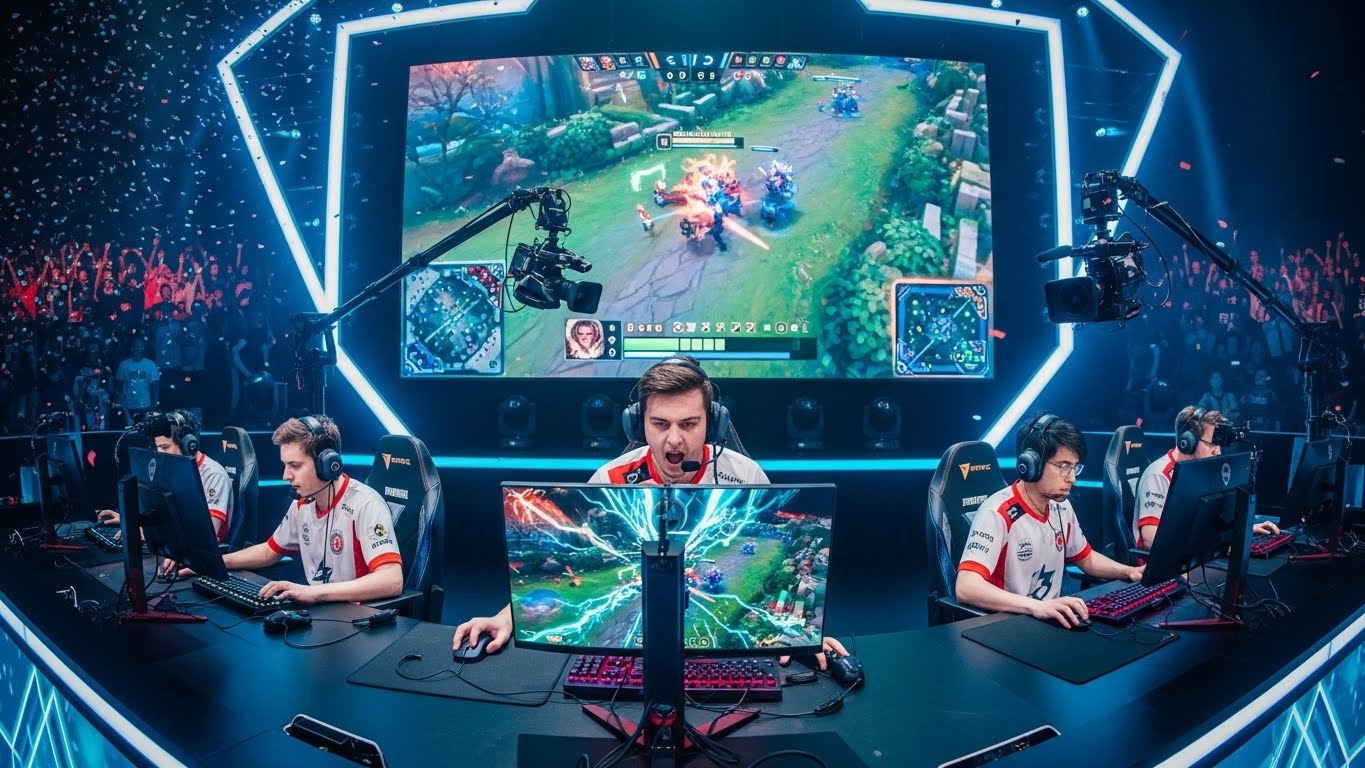
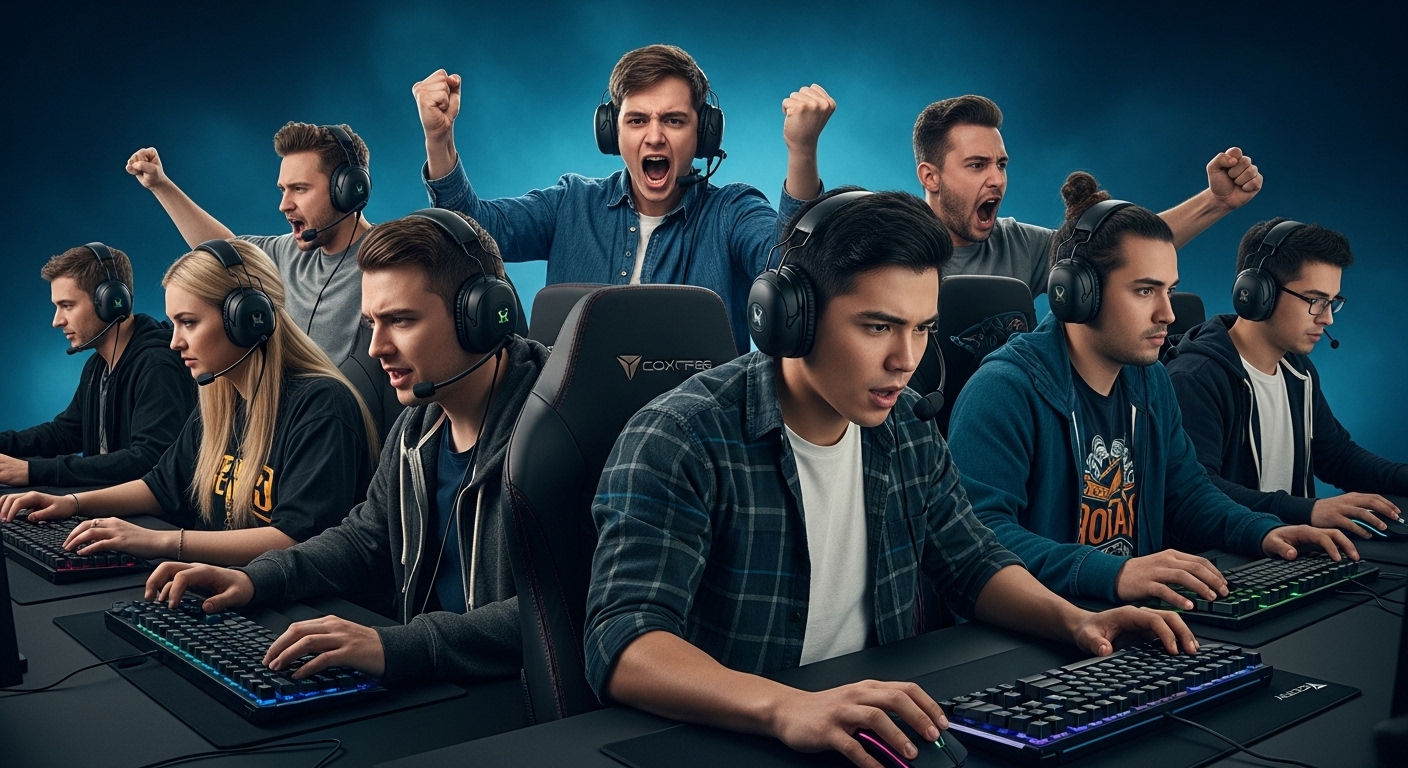
Professional esports athletes are no longer casual gamers who merely enjoy playing. They follow strict training schedules, analyze gameplay footage, and work with coaches to improve team strategies. Organizations sign players to contracts, manage sponsorships, and provide coaching staff much like professional sports teams. Young talents are scouted from ranked ladders or amateur tournaments and can quickly rise to international fame. For many, gaming is not just a hobby but a full-time career with rigorous discipline and high expectations.
Esports Arenas and the Culture of Live Events
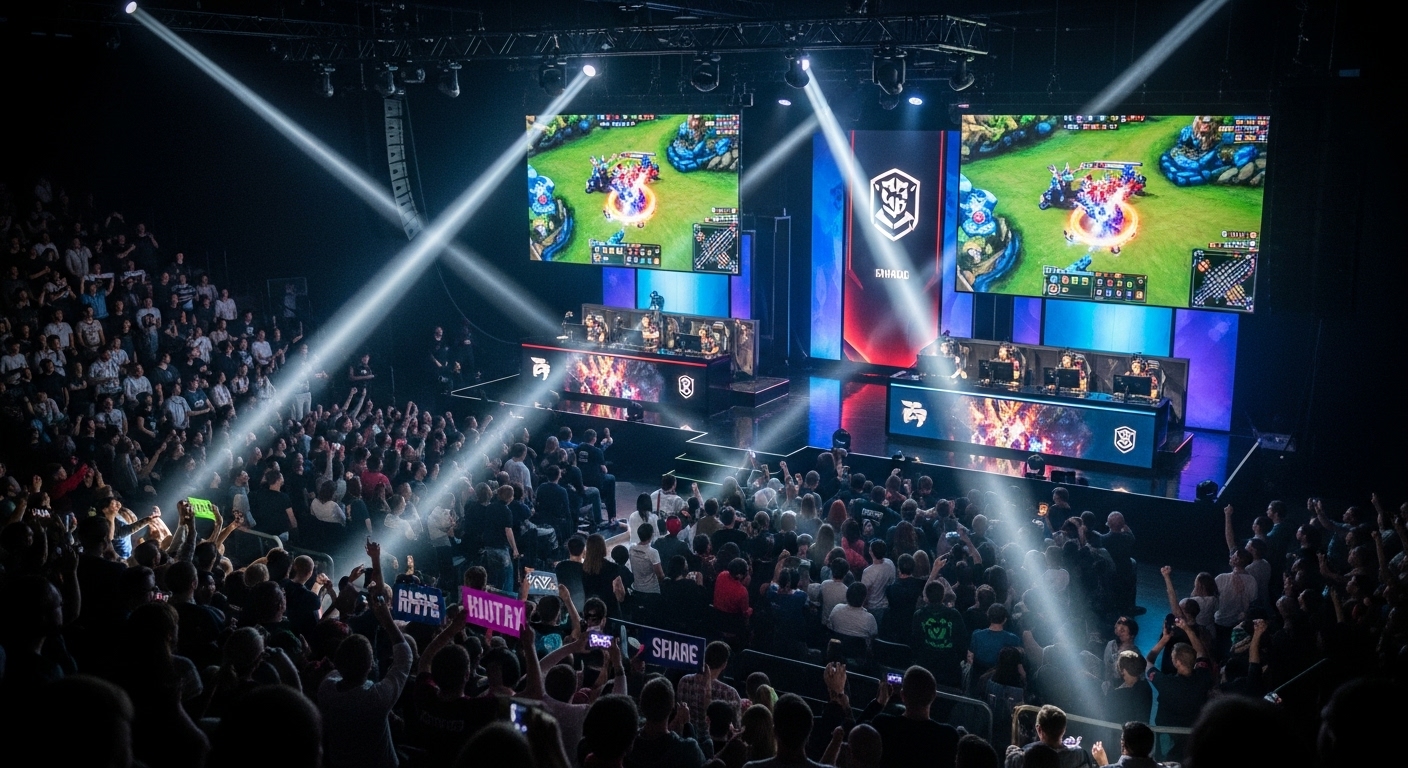
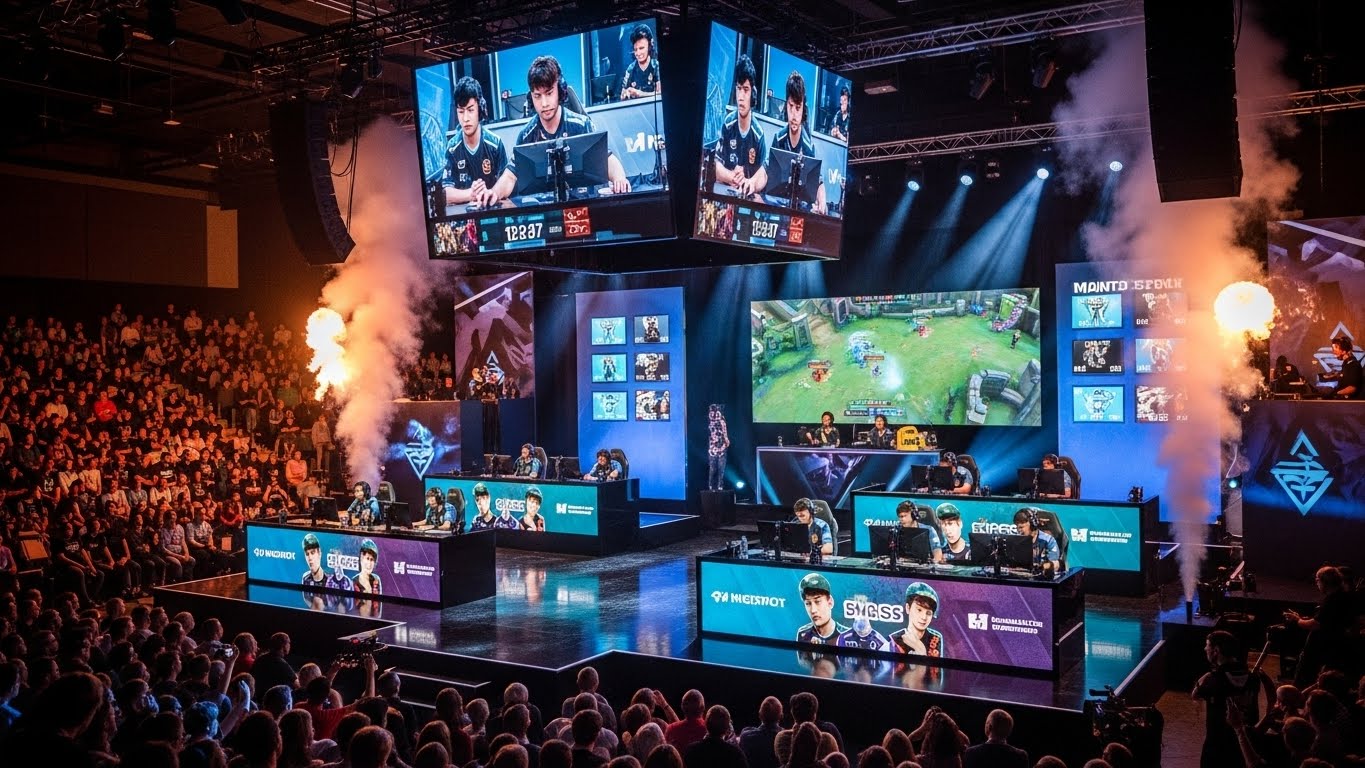
One of the most remarkable aspects of esports is its ability to pack arenas with cheering fans. These events create electric atmospheres filled with chants, music, lights, and the thrill of live competition. Fans gather to support their favorite teams, participate in fan activities, and experience gaming culture in a shared space. These events often feature elaborate stage designs, giant screens, and production quality that rivals major sporting championships. They prove that esports is more than sitting behind a screen; it is a vibrant cultural experience.
The Role of Streaming and Online Platforms
Streaming platforms revolutionized esports and turned gaming into one of the most viewed online entertainment categories. Players can broadcast their gameplay, interact with fans, and build personal communities. Many professional gamers start as streamers, growing their audience before joining teams or competing in tournaments. Streaming has also democratized access to esports, allowing fans worldwide to watch tournaments, follow their favorite players, and stay engaged with gaming cultures. It has created an entire ecosystem of content creators, analysts, commentators, and hosts who contribute to the world of esports.
The Economic Power of Competitive Gaming
The esports industry has expanded into a multi-billion-dollar market. Revenue comes from sponsorships, merchandise, media rights, advertising, and tournament prize pools. Companies ranging from gaming brands to mainstream corporations invest heavily in esports to reach younger audiences. Gaming peripherals, chairs, apparel, and team merchandise also contribute to the growing economy. Universities now offer esports scholarships, and some countries officially recognize professional gamers as athletes. The financial landscape of esports mirrors that of traditional sports, proving its long-term sustainability.
The Social Impact and Community Behind Esports
Esports is about more than competition; it fosters community, friendship, and global connection. Players from different countries unite through a shared love of gaming, forming online friendships and participating in collaborative experiences. For many, esports provides a sense of belonging and a space to express themselves. It can also boost confidence, encourage teamwork, and improve problem-solving skills. The community aspect has helped break stereotypes about gaming and reveal its positive social benefits.
Diversity and Inclusion in the Gaming World
While esports has historically been male-dominated, the industry is gradually becoming more inclusive. Women, non-binary players, and diverse communities are gaining visibility as competitors, creators, and industry professionals. Organizations and event hosts increasingly promote inclusive environments and address issues such as harassment and representation. The future of esports depends on creating spaces where everyone feels welcome and can compete without limitations.
Challenges Facing the Esports Industry
Despite its success, esports faces challenges that must be addressed for sustainable growth. Issues include player burnout, lack of regulation, inconsistent tournament structures, and concerns about long-term career stability. Maintaining player well-being is crucial, as many young competitors experience intense pressure and demanding schedules. Another challenge is balancing commercial interests with the integrity of competition. As the industry expands, strong governance and support systems are necessary to protect players and ensure fair play.
The Future of Esports: What Lies Ahead
The future of esports is incredibly promising. New technologies such as virtual reality, augmented reality, and advanced game engines will reshape competitive gaming experiences. Esports may become more integrated into education, physical training, and digital entertainment platforms. Traditional sports organizations are increasingly collaborating with esports teams, creating hybrid experiences that blend physical and digital competition. As internet access expands globally, new regions will emerge as esports powerhouses, bringing fresh talent and new audiences into the fold.
Conclusion: A Cultural Movement That Shows No Signs of Slowing
Esports has evolved far beyond what anyone predicted. What began as friendly matches between gamers has transformed into a global movement with passionate fans, professional athletes, and powerful industries supporting it. The heart of esports lies in its community, creativity, and the shared love of competition. As technology continues to advance and more people become part of this world, esports will only grow stronger. It is not just a trend but a defining part of modern entertainment and culture.