





Introduction: Esports – The New Frontier of Competitive Entertainment
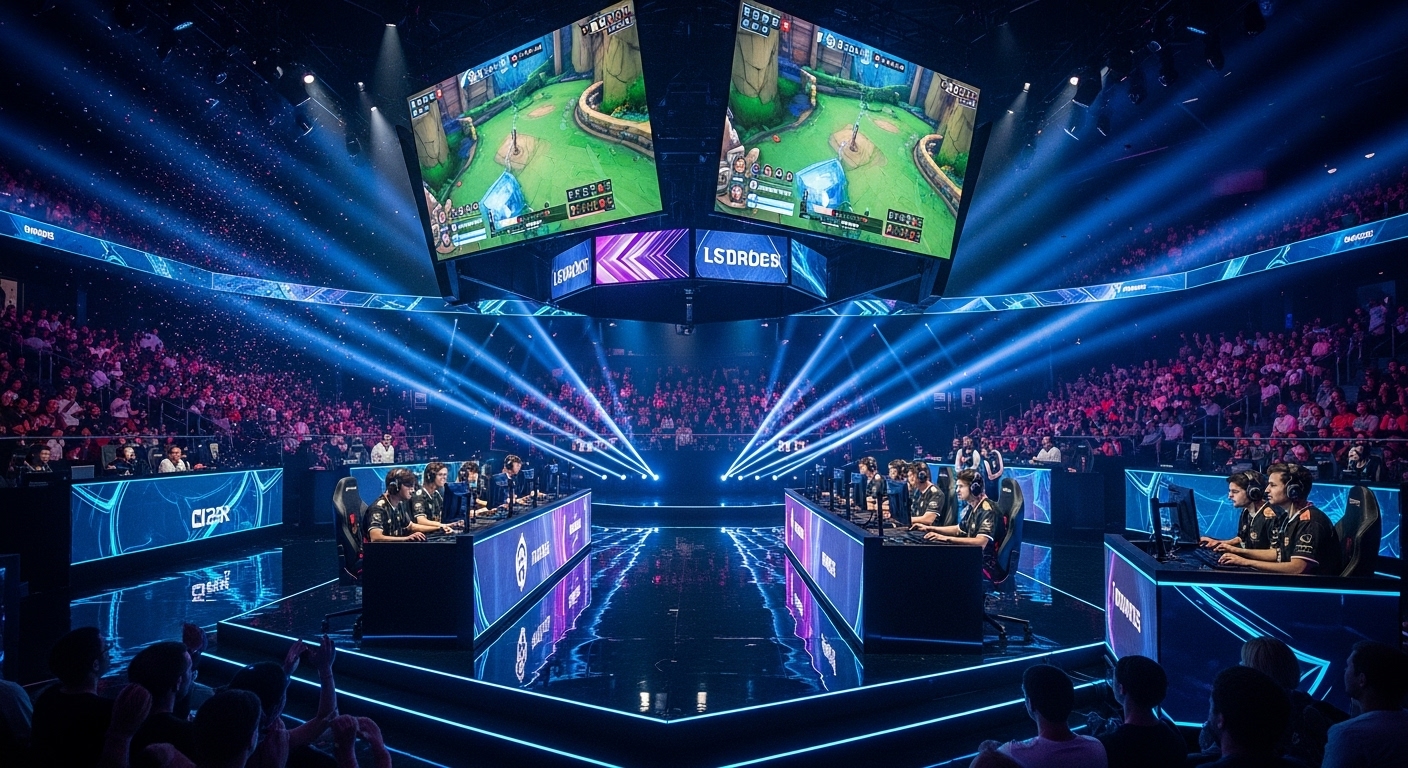
Esports, short for electronic sports, has transformed from a niche hobby into a billion-dollar industry with millions of fans worldwide. What once was seen as a pastime for a select group of gamers has now evolved into a global phenomenon, drawing massive audiences, sponsorship deals, and media attention. Competitive gaming, which began as small tournaments in basements and local arcades, has expanded into major international leagues, professional players, and broadcast events on platforms like Twitch and YouTube. This post will explore how esports has evolved, the factors behind its rapid growth, and what makes it so appealing to both players and viewers alike.
1. From Casual Games to Professional Leagues
The origins of esports can be traced back to the 1990s when early multiplayer games like “Doom” and “Warcraft” allowed players to compete against each other online. However, it wasn’t until the early 2000s that esports began to take shape as a professional industry. Games like “StarCraft,” “Counter-Strike,” and “League of Legends” played pivotal roles in popularizing competitive gaming by creating platforms for players to compete in tournaments with cash prizes.
The establishment of major leagues and organizations such as the ESL (Electronic Sports League) and MLG (Major League Gaming) set the stage for the organized structure of esports we see today. These tournaments started attracting large audiences both online and offline, with live events drawing thousands of spectators and professional teams becoming household names in the gaming community.
2. The Global Appeal of Esports
One of the primary factors behind esports’ meteoric rise is its global appeal. Unlike traditional sports, which are often limited by geography, language, and culture, esports transcends borders. Players from different parts of the world can compete against each other in real-time, breaking down barriers that typically divide traditional sports.
Games like “Dota 2,” “League of Legends,” and “Fortnite” have created international ecosystems where players, teams, and fans from all over the globe come together to celebrate their shared passion. Major tournaments such as “The International” (for Dota 2) and the “League of Legends World Championship” attract millions of viewers from every continent. Esports is truly a universal language, uniting people with a common interest in gaming, regardless of their background or nationality.
3. The Growth of Esports Viewership
The growth of esports viewership has been nothing short of extraordinary. In 2020, it was estimated that esports had a global audience of over 400 million people, and this number is expected to continue growing year after year. Streaming platforms like Twitch, YouTube Gaming, and Facebook Gaming have played a crucial role in the expansion of esports viewership, providing fans with access to live broadcasts of tournaments, as well as commentary and analysis from top-tier casters.
The appeal of watching esports is similar to traditional sports: people tune in to see skilled players compete at the highest level. However, what sets esports apart is the level of interaction it offers viewers. Fans can engage with players and other viewers in real-time through live chats, polls, and fan voting, creating an immersive and dynamic experience that’s unique to the digital age.
4. The Professionalization of Esports Players
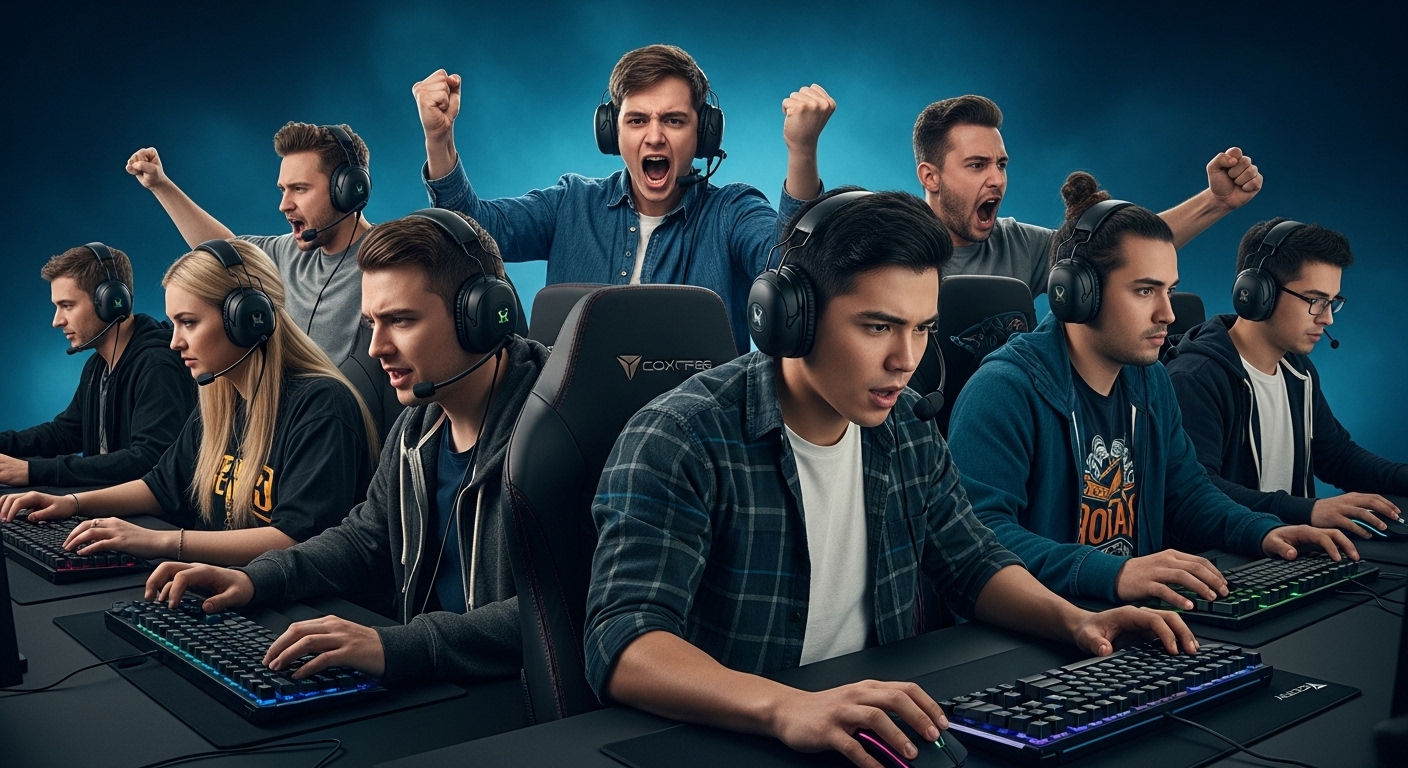
Much like professional athletes in traditional sports, esports players now enjoy sponsorships, salaries, and endorsement deals. As the esports industry grows, so too does the level of professionalism among players. Competitive gamers train for hours every day, refining their skills, mastering strategies, and preparing for tournaments with multi-million-dollar prize pools.
Top players are often regarded as celebrities in the gaming world, and many have become influencers with large followings on social media platforms. Some even venture into streaming and content creation, building their personal brands beyond the competitive gaming scene. The rise of esports organizations and management teams means that players now have access to support systems, including coaches, analysts, and performance experts, helping them reach their peak potential.
5. The Role of Sponsorships and Branding
The growth of esports has attracted significant investment from major corporations looking to tap into the expanding market of gamers and digital entertainment. Sponsorship deals, which were once reserved for traditional sports, have become commonplace in esports. Companies such as Coca-Cola, Intel, and Nike now sponsor top esports teams, tournaments, and even individual players.
These sponsorships not only provide financial backing but also help legitimize esports as a professional industry. Major brands are increasingly recognizing the potential of esports to reach younger, tech-savvy audiences. Additionally, streaming platforms like Twitch and YouTube have also attracted their own set of corporate sponsors, fueling further investment into the esports ecosystem.
6. Esports as a Career Path
For many young gamers, professional esports offers a legitimate career path. Just like athletes in traditional sports, top esports players can earn substantial incomes from tournament winnings, sponsorships, and streaming. Many esports teams and organizations have full-time staff, including coaches, analysts, and team managers, providing further opportunities for employment in the industry.
In addition to players, there are also career opportunities in broadcasting, marketing, event management, and game development, creating a multi-faceted industry that extends far beyond just the players themselves. The rise of esports has also led to the creation of college scholarships for aspiring esports athletes, further solidifying the idea that competitive gaming can be a viable career choice.
7. The Future of Esports: Challenges and Opportunities
While esports continues to grow at a rapid pace, it faces its own set of challenges. One of the main hurdles is the issue of sustainability. The esports ecosystem relies heavily on sponsorships, advertising, and tournament revenue, and there is always the question of how to maintain growth in an increasingly competitive digital entertainment landscape.
Another challenge is the lack of universal standards and regulations. As esports becomes more professionalized, there is a need for clear guidelines regarding contracts, player health and well-being, and fair play. The rise of cheating scandals and match-fixing in some games has prompted calls for greater transparency and governance within the industry.
Despite these challenges, the future of esports is incredibly promising. The continued rise of virtual reality (VR) and augmented reality (AR) technologies could take competitive gaming to new heights, creating even more immersive experiences for players and viewers alike. Additionally, the expansion of mobile esports, with games like “PUBG Mobile” and “Clash Royale,” presents new opportunities for growth and accessibility.
Conclusion: Esports – A New Era of Entertainment
Esports has undoubtedly cemented its place as a mainstream form of entertainment, attracting millions of players, fans, and investors from around the world. Its rapid rise from a niche hobby to a global industry speaks to the growing influence of digital entertainment and the evolving nature of competition. As technology continues to advance and esports becomes more accessible, it is likely that we will see even greater growth in the years to come.
What started as a passion for gaming has now evolved into a global spectacle, with its own stars, teams, and fanbases. Esports is not just a passing trend—it’s a new era of competitive entertainment, offering opportunities for everyone, whether you’re a player, fan, or aspiring professional. The world of esports is just getting started, and its future looks brighter than ever.