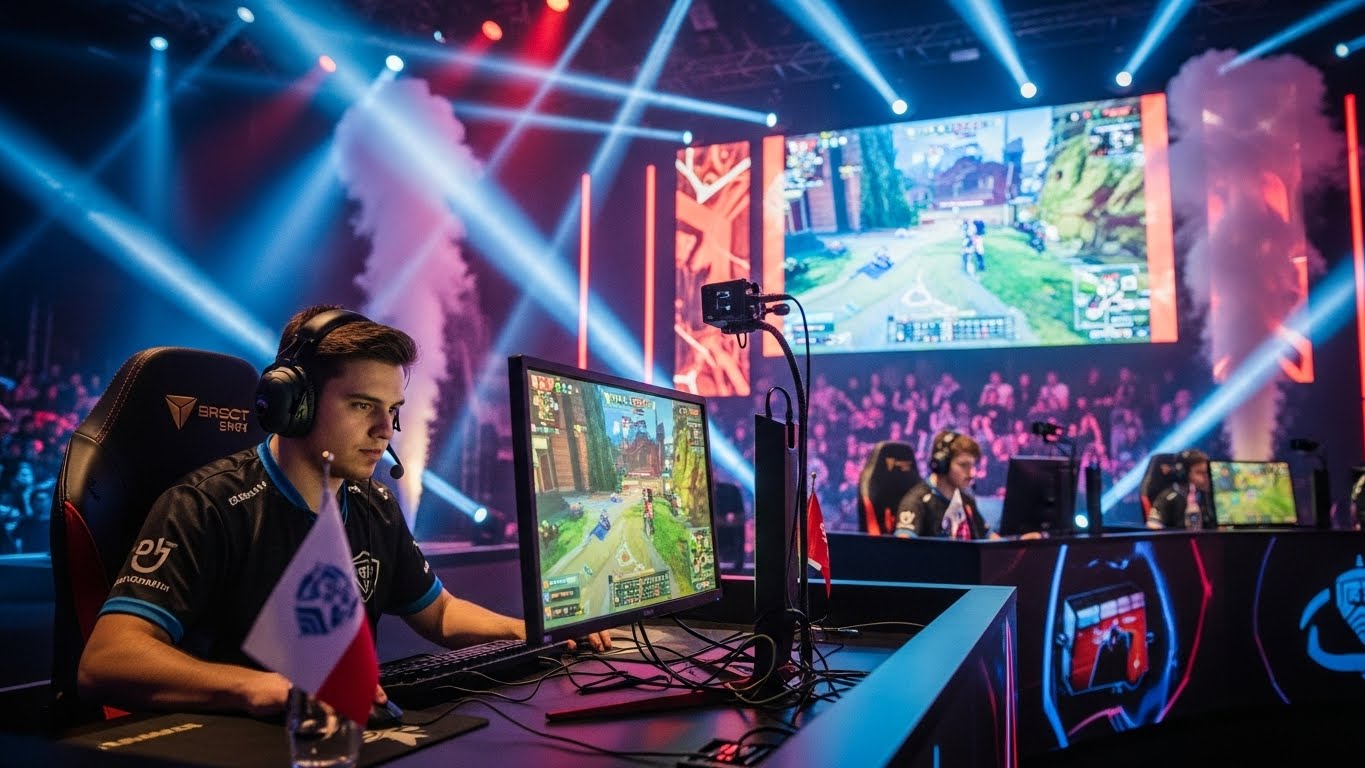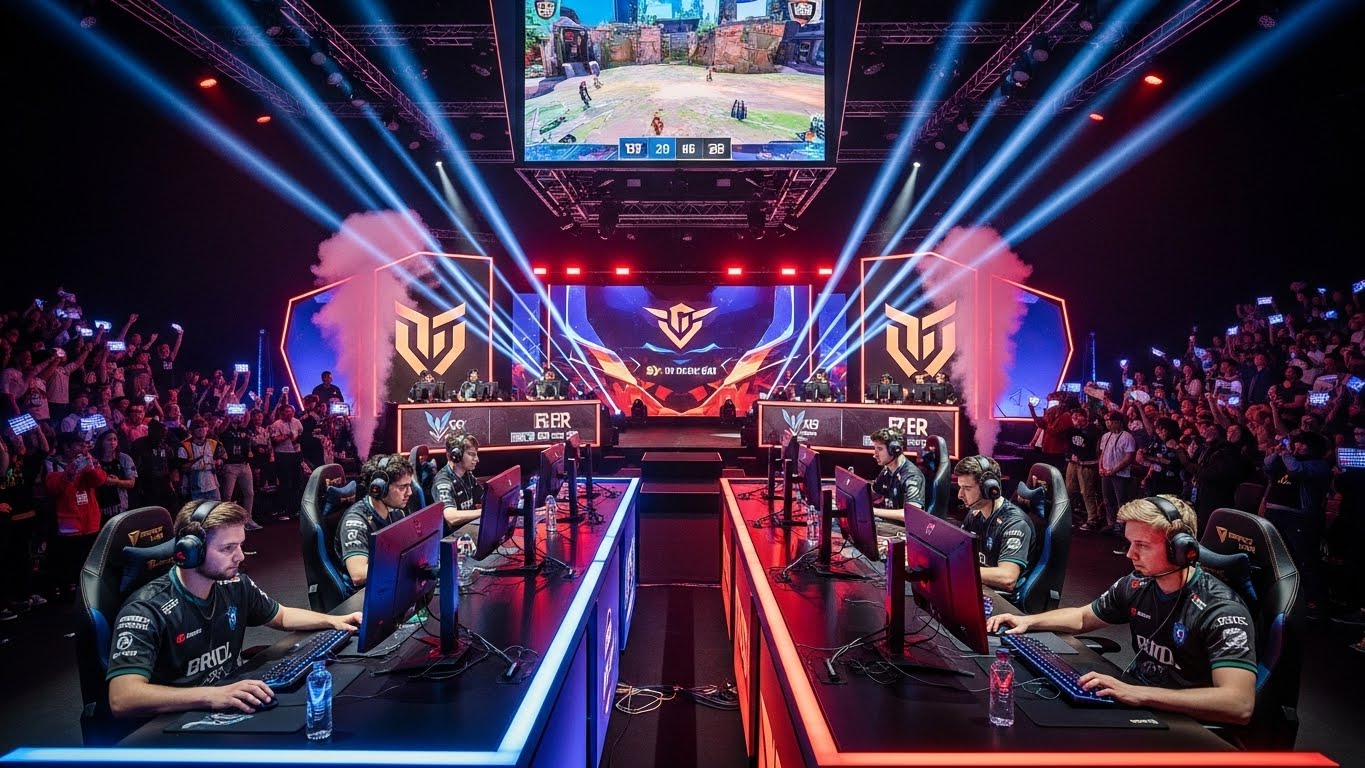





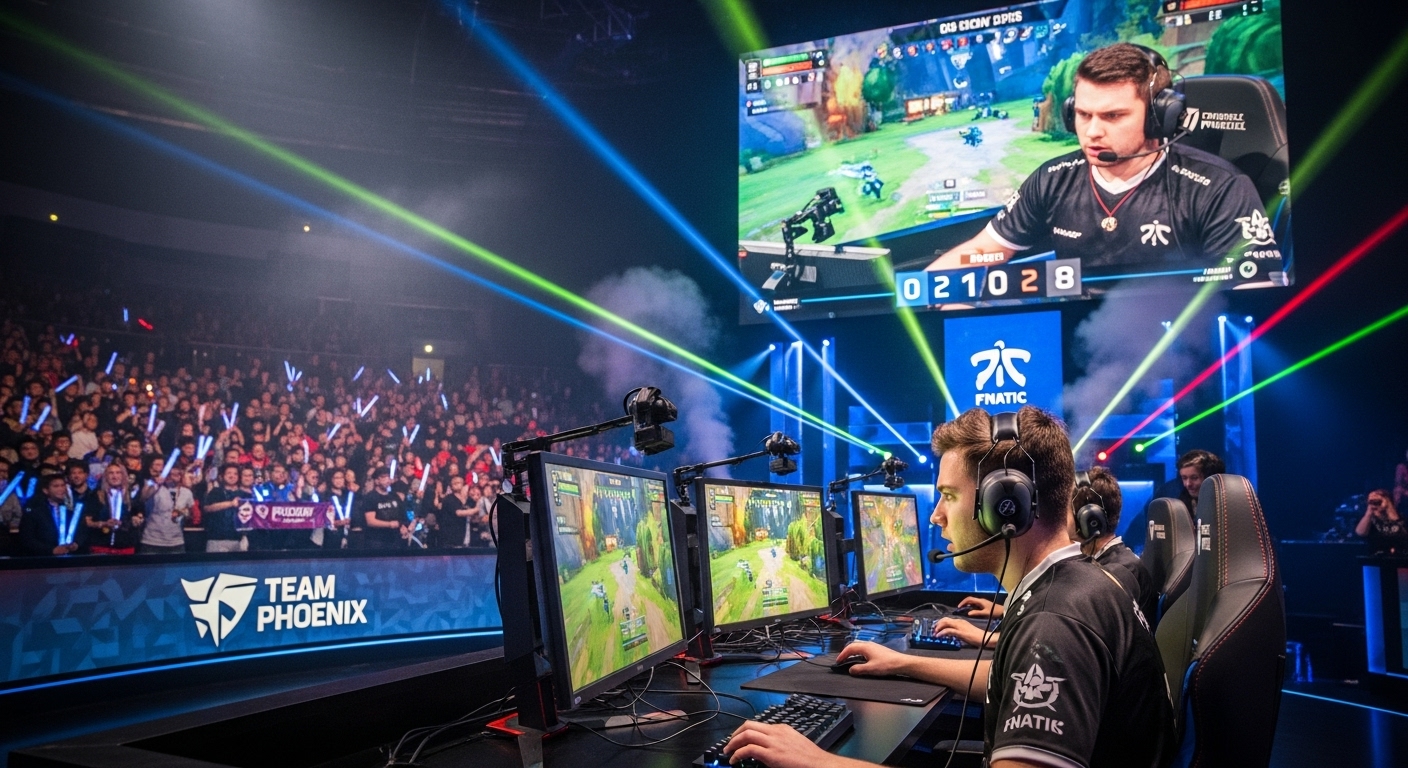
Esports, or competitive video gaming, has grown from niche hobby to global phenomenon in just a few decades. With millions of fans, professional players, and extensive media coverage, esports now rivals traditional sports in popularity and influence. But beyond entertainment and competition, esports is reshaping cultures worldwide in unique and profound ways. This blog explores how esports impacts different regions culturally, highlighting the social, economic, and generational effects it carries.
The Rise of Esports: A Global Overview
Esports started as informal competitions between gamers but quickly evolved into organized leagues with international reach. Today, it includes popular games like League of Legends, Dota 2, Counter-Strike, and Fortnite. Large tournaments offer prize pools reaching millions of dollars, attracting players from all corners of the world.
The accessibility of esports—requiring only a computer or console and an internet connection—has democratized competitive gaming and expanded its cultural footprint. This expansion brings diverse communities together, creating global connections while fostering distinct regional esports cultures shaped by local values and traditions.
Esports in Asia: The Powerhouse of Competitive Gaming
Asia, particularly South Korea, China, and Japan, is widely regarded as the birthplace and epicenter of modern esports. South Korea revolutionized esports culture by treating professional gaming as a legitimate career, comparable to traditional sports. The nation’s emphasis on discipline, training, and teamwork created a highly competitive environment that inspired global esports standards.
In South Korea, esports athletes enjoy celebrity status, with extensive fan followings, sponsorship deals, and media attention. The government’s support through infrastructure and policies has further boosted esports’ legitimacy and reach. Internet cafes, or PC bangs, are popular social hubs where players gather to compete, socialize, and watch tournaments, highlighting esports’ role in community building.
China’s esports scene is booming due to massive investments, a huge player base, and governmental recognition of esports as an official sport. The country’s cultural embrace of technology and digital entertainment supports esports growth, with many Chinese teams dominating international competitions. Esports events in China often combine gaming with other entertainment forms, such as music and celebrity appearances, making these gatherings major cultural festivals.
Japan’s esports culture developed more slowly, partly due to traditional values emphasizing physical sports and a historical stigma around video games. However, the rising popularity of mobile gaming and fighting games has revitalized Japan’s esports scene. Esports here often reflects local gaming preferences and is intertwined with anime, manga, and other pop culture elements.
North America: Commercialization and Mainstreaming of Esports
In North America, esports has flourished alongside the region’s strong entertainment and technology industries. The United States and Canada host major esports leagues, including Overwatch League and Call of Duty League, which operate similarly to professional sports franchises with dedicated teams, stadiums, and broadcasts.
The cultural impact in North America is closely tied to commercialization and media integration. Esports has become a key part of streaming culture, with platforms like Twitch and YouTube playing major roles in content distribution and fan engagement. Esports personalities often crossover into broader entertainment, influencing fashion, music, and lifestyle trends.
Moreover, North American universities and colleges now offer scholarships and varsity esports programs, legitimizing esports within academic and social systems. This integration promotes a positive cultural shift, challenging outdated stereotypes about gaming and encouraging youth participation.
Europe: Diversity and Innovation in Esports
Europe’s esports culture reflects the continent’s diversity, with each country contributing unique gaming preferences and community practices. Countries like Sweden, Germany, and France are recognized for producing top-tier players and innovative esports organizations.
European esports emphasizes grassroots development and inclusivity. Local tournaments, community-run events, and collaborative initiatives play key roles in fostering esports culture. This approach creates a vibrant ecosystem where new talent is nurtured, and diverse groups find representation.
The region also prioritizes responsible gaming and mental health awareness, addressing challenges related to the competitive pressures of esports. This focus aligns with broader European social values, influencing how esports integrates into cultural norms.
Latin America: Emerging Esports Markets and Cultural Expression
Latin America is an emerging region in the esports landscape, experiencing rapid growth despite economic and infrastructural challenges. Countries like Brazil, Mexico, and Argentina have developed passionate esports communities, driven by young populations and increasing internet accessibility.
Esports in Latin America often serves as a platform for cultural expression and social connection. For many, gaming provides opportunities for upward mobility and recognition beyond traditional paths. Regional tournaments celebrate local identity and pride, blending esports with music, art, and storytelling unique to Latin American cultures.
This growth also spurs economic development, creating jobs in event management, content creation, and marketing. Esports thus contributes to reshaping cultural and economic narratives in the region.
Middle East and Africa: Building Foundations for Future Growth
Esports is a relatively new phenomenon in the Middle East and Africa, but the interest is growing quickly. Governments and private sectors are beginning to invest in infrastructure and tournaments to support the burgeoning esports scene.
In these regions, esports represents more than competition; it offers youth empowerment and social inclusion. With large young populations, esports provides new avenues for creativity, education, and community engagement. Local tournaments also foster cross-cultural dialogue and collaboration, bridging diverse ethnic and national groups.
The cultural impact here is linked to future potential, as esports becomes part of broader efforts to modernize economies and globalize youth culture.
Esports and Social Change: Breaking Stereotypes and Fostering Inclusion
One of esports’ most significant cultural impacts is its role in breaking down stereotypes associated with gaming. Traditionally viewed as isolated or antisocial, esports is now recognized for its community-building, teamwork, and communication aspects.
Esports also promotes inclusivity by providing spaces where gender, race, and physical ability are less limiting factors. Female gamers, LGBTQ+ communities, and differently-abled individuals find representation and opportunities within esports, helping reshape cultural narratives about diversity and acceptance.
Moreover, esports encourages global connectivity, bringing together people from vastly different backgrounds to compete and collaborate, thus fostering mutual understanding and cultural exchange.
The Role of Technology and Media in Shaping Esports Culture
Technology and media platforms are crucial in shaping esports culture worldwide. Live streaming, social media, and online communities enable fans to engage with games and players continuously. This constant interaction helps build dynamic and evolving cultures around esports.
Virtual reality, augmented reality, and advanced analytics are beginning to influence how esports is played and consumed, offering immersive experiences and deeper insights. These technological advancements contribute to esports becoming an integral part of future entertainment and cultural life.
Conclusion: Esports as a Cultural Force Shaping the Future
Esports is more than just competitive gaming—it is a powerful cultural force influencing societies globally. From Asia’s rigorous professionalization to Latin America’s vibrant community expressions, esports reflects and reshapes the values, identities, and social dynamics of different regions.