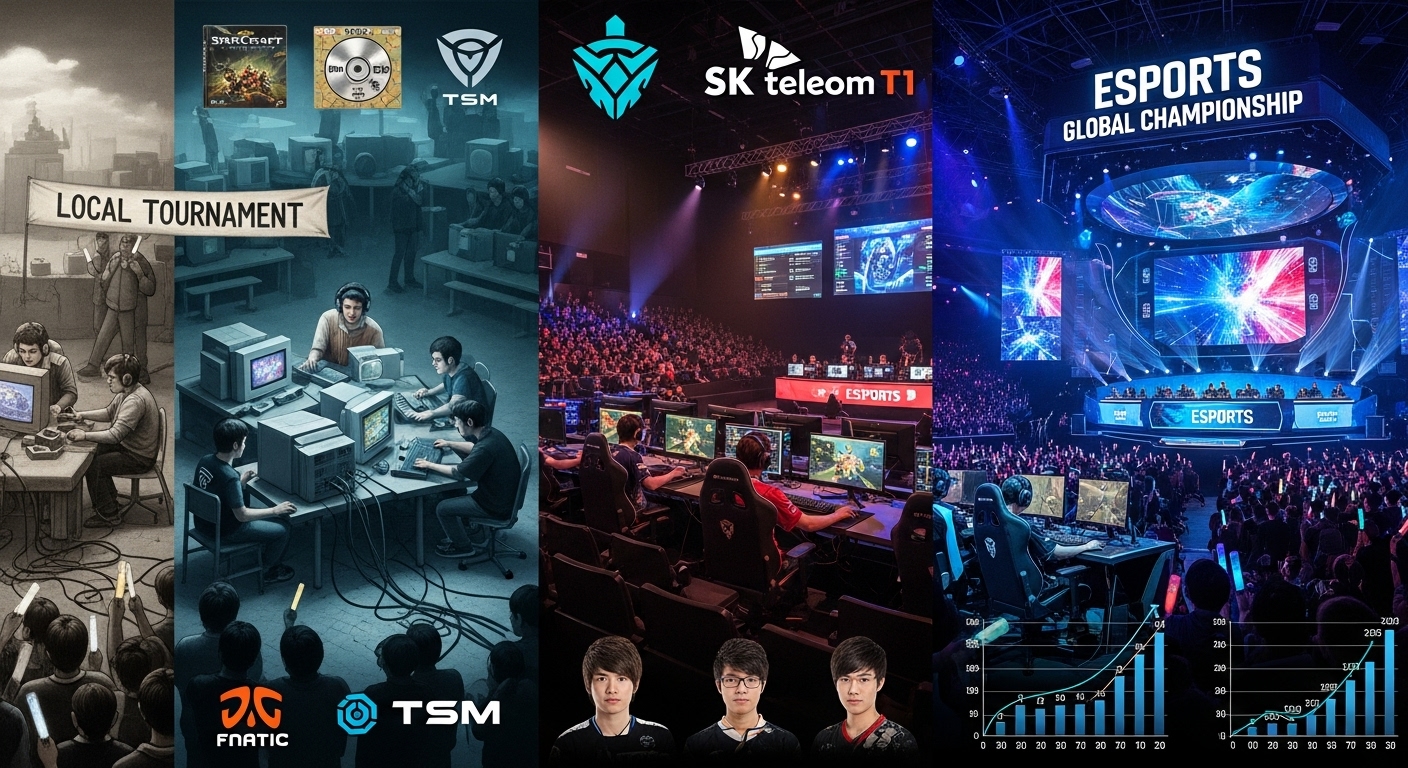






Esports, once a niche activity enjoyed by a small community of gamers, has rapidly transformed into a global phenomenon. What began as casual competitions between friends has evolved into a massive industry, with professional players, dedicated fans, and multi-million-dollar prize pools. Today, esports is not only an entertainment medium but also a viable career path for many. This blog post explores the explosive rise of esports, its cultural impact, and the future of the digital arena.
The Early Days of Esports
Esports, short for electronic sports, refers to competitive video gaming where individuals or teams compete for prizes, recognition, and glory. The roots of esports can be traced back to the 1970s and 1980s when arcade games like Pong and Space Invaders became the basis for informal competitions. However, it wasn’t until the late 1990s and early 2000s that esports began to emerge as a more structured competitive scene.
The launch of games like StarCraft, Quake, and Warcraft III set the stage for organized tournaments. In South Korea, a country that would go on to play a pivotal role in esports’ development, StarCraft became a national pastime, with tournaments being broadcast on television. The rise of platforms like Battle.net and LAN (Local Area Network) events allowed gamers to compete at a larger scale, giving birth to the first professional gaming leagues.
The Growth of Esports Infrastructure
As the internet became more widely accessible, online gaming saw a meteoric rise. With platforms like Steam, Xbox Live, and PlayStation Network, players could compete against each other without ever leaving their homes. This led to the creation of larger tournaments and events, some of which were broadcasted live on streaming platforms like Twitch.
One of the most significant developments in the growth of esports infrastructure was the introduction of live streaming. Twitch, launched in 2011, revolutionized how gamers interacted with their audience. For the first time, fans could watch their favorite players live in action, often providing real-time commentary and interacting with streamers in the chat. This level of engagement helped elevate esports to mainstream recognition, turning gamers into influencers and content creators.
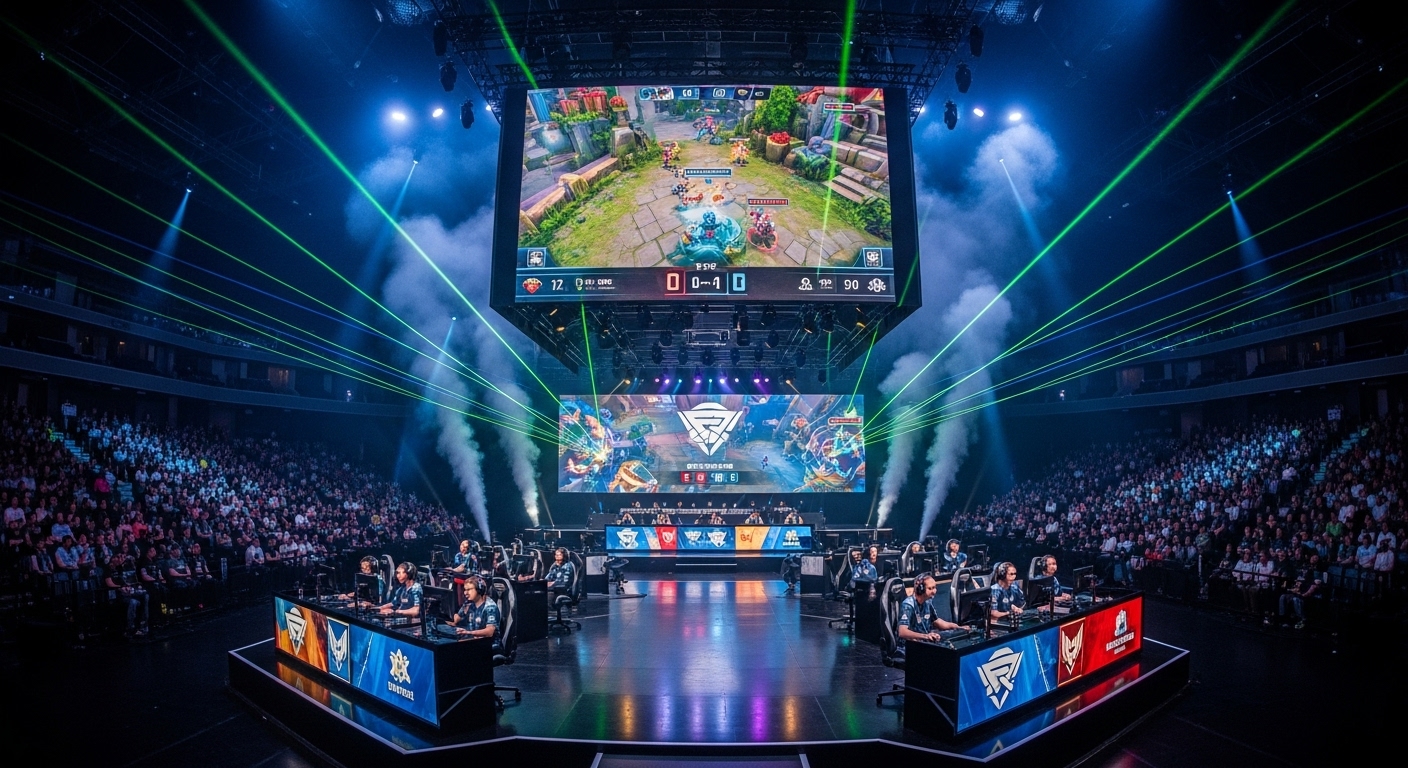
Tournaments such as The International for Dota 2 and League of Legends World Championship became some of the most-watched events in the world. Prize pools for these events reached millions of dollars, attracting top-tier talent from around the globe and solidifying esports as a legitimate and lucrative industry.
The Evolution of Esports Genres
While esports initially began with strategy games like StarCraft and Warcraft, the genre pool has since expanded significantly. Today, esports spans multiple genres, each offering unique challenges and opportunities for players.
Multiplayer Online Battle Arenas (MOBAs)
Games like Dota 2 and League of Legends are perhaps the most popular esports titles worldwide. These Multiplayer Online Battle Arenas (MOBAs) require players to work together as teams, using strategy, skill, and precise coordination to outsmart their opponents. With matches lasting anywhere from 30 minutes to over an hour, the stakes are high, and the action is intense.
The rise of MOBAs marked a shift in competitive gaming, emphasizing teamwork and strategic depth. The MOBA genre has become a cornerstone of the esports landscape, with dedicated leagues and millions of dollars in prize money up for grabs.
First-Person Shooters (FPS)
First-person shooters have always been a mainstay of competitive gaming, and titles like Counter-Strike, Overwatch, and Call of Duty continue to be popular in the esports scene. These games focus on fast reflexes, aiming precision, and team coordination, with players often competing in team-based formats.
Counter-Strike: Global Offensive (CS:GO) is one of the oldest and most enduring FPS games in esports, with its competitive scene dating back to the early 2000s. Tournaments such as the CS:GO Major Championships attract millions of viewers worldwide and boast some of the largest prize pools in the industry.
The rise of games like Overwatch, which blends first-person shooting with team strategy, has expanded the appeal of FPS games beyond traditional shooter fans. The Overwatch League (OWL), launched in 2018, is an example of how esports has branched out into new formats, with city-based teams and franchised leagues.
Battle Royale
The Battle Royale genre has exploded in recent years, with games like Fortnite, PUBG (PlayerUnknown’s Battlegrounds), and Apex Legends capturing the imagination of players and spectators alike. These games combine survival elements with last-man-standing gameplay, where players are dropped into a large map and must scavenge for weapons and resources while fighting to be the last survivor.
The competitive scene for Battle Royale games is still in its infancy, but tournaments for titles like Fortnite have already seen massive participation, with the Fortnite World Cup offering a $30 million prize pool in 2019. The Battle Royale format has introduced new dynamics to esports, particularly in terms of audience engagement, as games can be played solo or in teams and often feature unpredictable outcomes.
Esports as a Career Path
One of the most intriguing aspects of esports is the potential for players to turn their passion into a full-time career. As esports has grown, so too have the opportunities for professional players, content creators, and streamers.
Professional esports players can earn significant amounts of money through tournament winnings, sponsorships, and streaming. The highest-earning esports player, Johan “N0tail” Sundstein, has accumulated over $7 million in career earnings, largely through his success in Dota 2. However, esports careers are not just limited to players. Coaches, analysts, commentators, and content creators all play vital roles in the ecosystem, creating new job opportunities within the industry.
Streaming platforms like Twitch and YouTube have allowed gamers to reach an audience of millions and turn their gaming skills into a lucrative career. Top streamers like Ninja, Shroud, and Pokimane have signed lucrative brand deals and amassed large followings, demonstrating that being a content creator is as much a part of the esports ecosystem as professional competition.
The Global Impact of Esports
Esports has transcended geographical boundaries, with tournaments and players representing countries from all over the world. Countries like South Korea, China, and the United States have been at the forefront of the esports revolution, while emerging markets in Latin America, Southeast Asia, and Europe are rapidly developing their own esports scenes.
One of the defining aspects of esports is its accessibility. Anyone with a computer or gaming console can participate, watch, and enjoy esports, which has contributed to the global spread of gaming culture. International tournaments like The International and the League of Legends World Championship attract millions of viewers from all corners of the world, making esports one of the most inclusive forms of entertainment.
Esports has also found its place in mainstream sports culture. Several major sports teams have invested in esports, with organizations like FC Barcelona and Manchester City entering the esports scene by sponsoring teams or launching their own esports divisions. Even traditional sports leagues such as the NBA have begun to recognize the value of esports, with the NBA 2K League providing a bridge between esports and professional sports.
The Future of Esports
As esports continues to grow, the future of the industry looks incredibly promising. Industry experts predict that esports will soon rival traditional sports in terms of revenue, viewership, and cultural influence. With major tech companies like Amazon, Google, and Microsoft investing in esports infrastructure and streaming services, the stage is set for even greater developments in the coming years.
The integration of esports into mainstream culture will only deepen, with more universities offering esports scholarships, and even the possibility of esports being included in the Olympic Games. Virtual reality (VR) and augmented reality (AR) could also play a role in the evolution of esports, offering new ways for players and viewers to engage with the game.
As the esports ecosystem continues to expand, we can expect to see new genres emerge, new forms of competition, and more professional players making a living from their gaming skills. The future of esports is bright, and it will undoubtedly continue to shape the landscape of entertainment and competition for years to come.
Conclusion
Esports has come a long way from its humble beginnings, evolving into a global industry that has captured the imagination of millions. From grassroots competitions to multi-million-dollar tournaments, esports is now a dominant force in the world of entertainment. Whether you’re a player, fan, or casual observer, there’s no denying the incredible impact that esports has had—and will continue to have—on our digital lives. As the industry grows and evolves, it’s clear that esports is here to stay, changing the way we think about competition, entertainment, and career possibilities in the 21st century.