





Esports, or competitive video gaming, has rapidly evolved from a niche hobby into a global phenomenon. With millions of fans, professional leagues, and multi-million-dollar tournaments, esports has transformed how people perceive competition, skill, and entertainment. Unlike traditional sports that rely on physical prowess, esports emphasizes strategy, reflexes, teamwork, and mental endurance, making it a unique form of modern athleticism.
This blog explores the evolution of esports, its cultural and economic impact, the skills required to succeed, the opportunities it creates, and the challenges it faces, while examining how it is shaping the future of competition.
Understanding Esports: More Than Just Gaming
Esports refers to organized, competitive gaming where players or teams compete in structured formats, often for prizes, rankings, and recognition. Popular genres include first-person shooters, multiplayer online battle arenas, real-time strategy games, and sports simulations. Titles like League of Legends, Dota 2, Counter-Strike: Global Offensive, and Fortnite have become household names in the esports ecosystem.
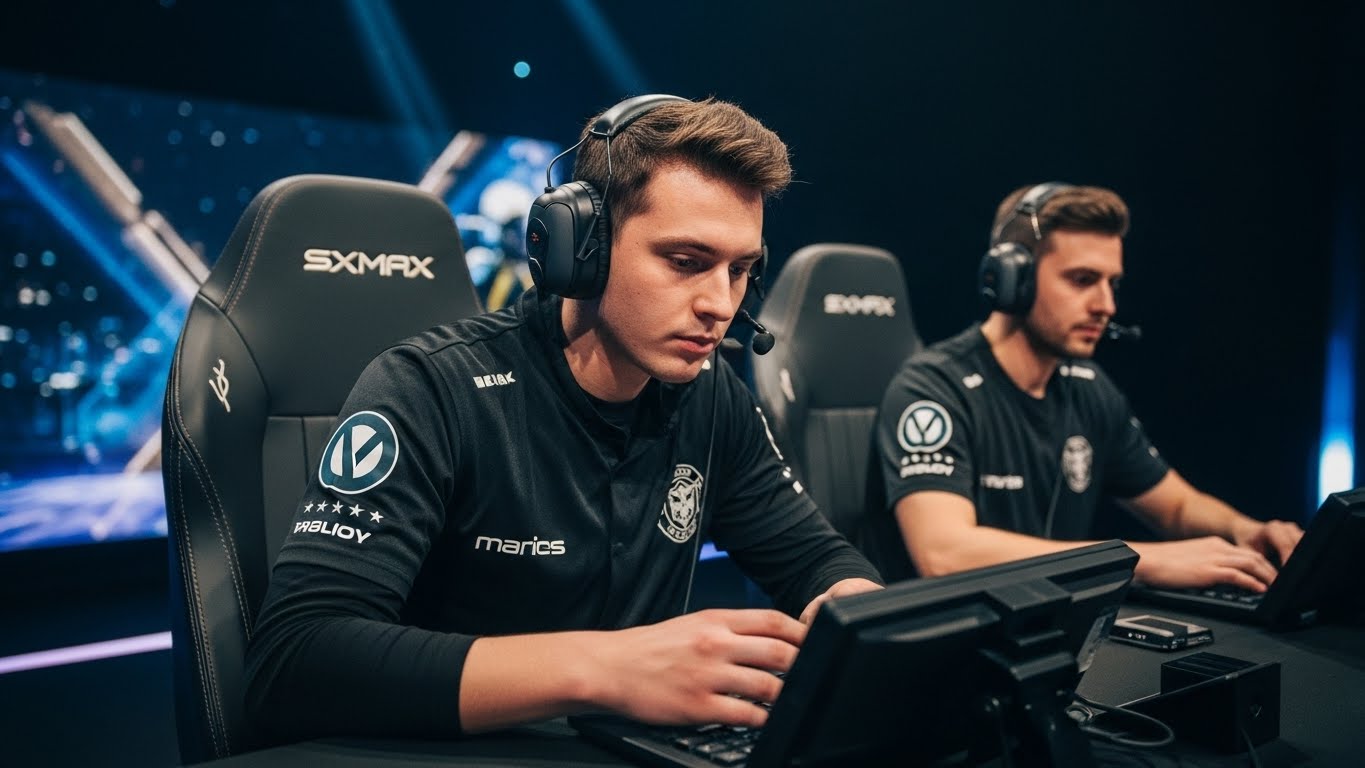
What separates esports from casual gaming is structure and professionalism. Matches are played according to official rules, players often sign contracts, and teams have coaches, analysts, and managers. Training, strategy development, and mental preparation are critical, making esports comparable in intensity and rigor to traditional sports.
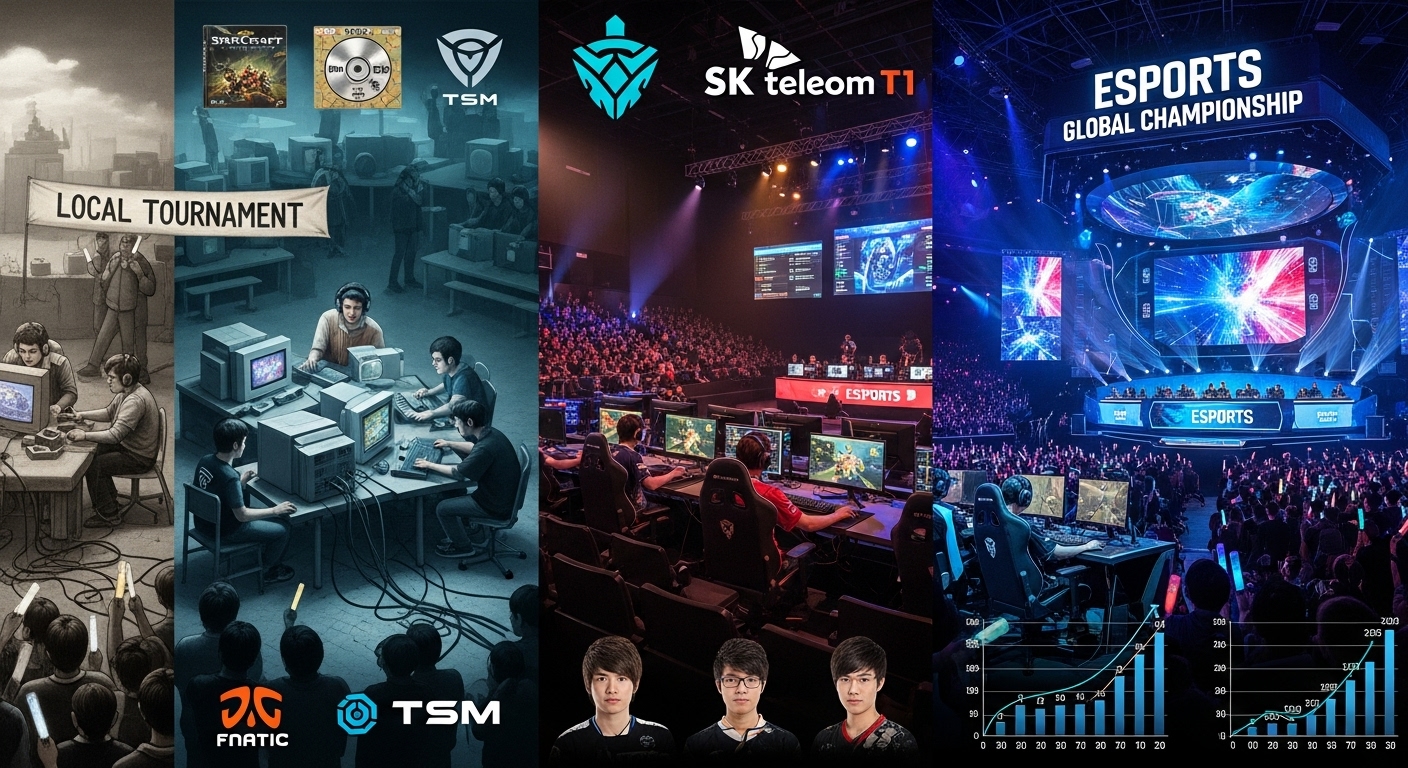
The Origins and Early Growth of Esports
The roots of esports trace back to the late 1970s and 1980s, when arcade competitions and local tournaments offered players the first taste of organized gaming. Early competitions focused on high-score challenges for games like Space Invaders and Pac-Man. With the rise of home computers and gaming consoles in the 1980s and 1990s, competitive gaming began expanding beyond arcades.
The development of online multiplayer platforms in the late 1990s and early 2000s revolutionized esports. Players could now compete globally, forming teams, leagues, and communities. South Korea became a pioneer in professionalizing esports, establishing gaming houses, televised leagues, and a culture of competitive gaming that influenced the global industry.
The Global Expansion of Esports
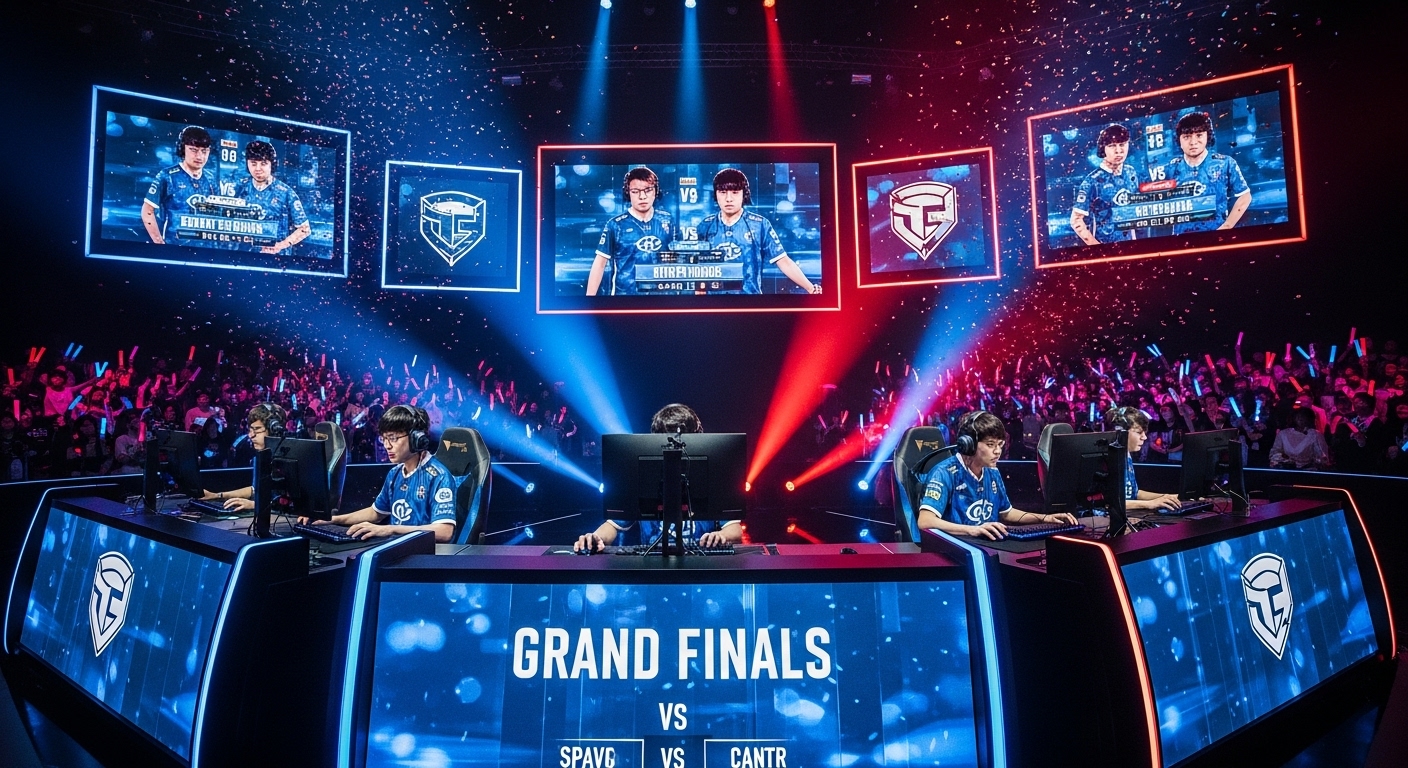
Esports has experienced explosive growth in recent years. Major tournaments now attract millions of viewers worldwide, both in live arenas and through online streaming platforms. Multi-million-dollar prize pools, sponsorships, and media coverage have elevated esports to a legitimate and highly visible professional domain.
International competition has expanded, creating global fan communities that follow their favorite teams and players. Online streaming and social media have enabled fans to interact directly with athletes, share strategies, and celebrate victories, fostering a unique participatory culture that distinguishes esports from traditional sports.
Skills and Discipline in Competitive Gaming
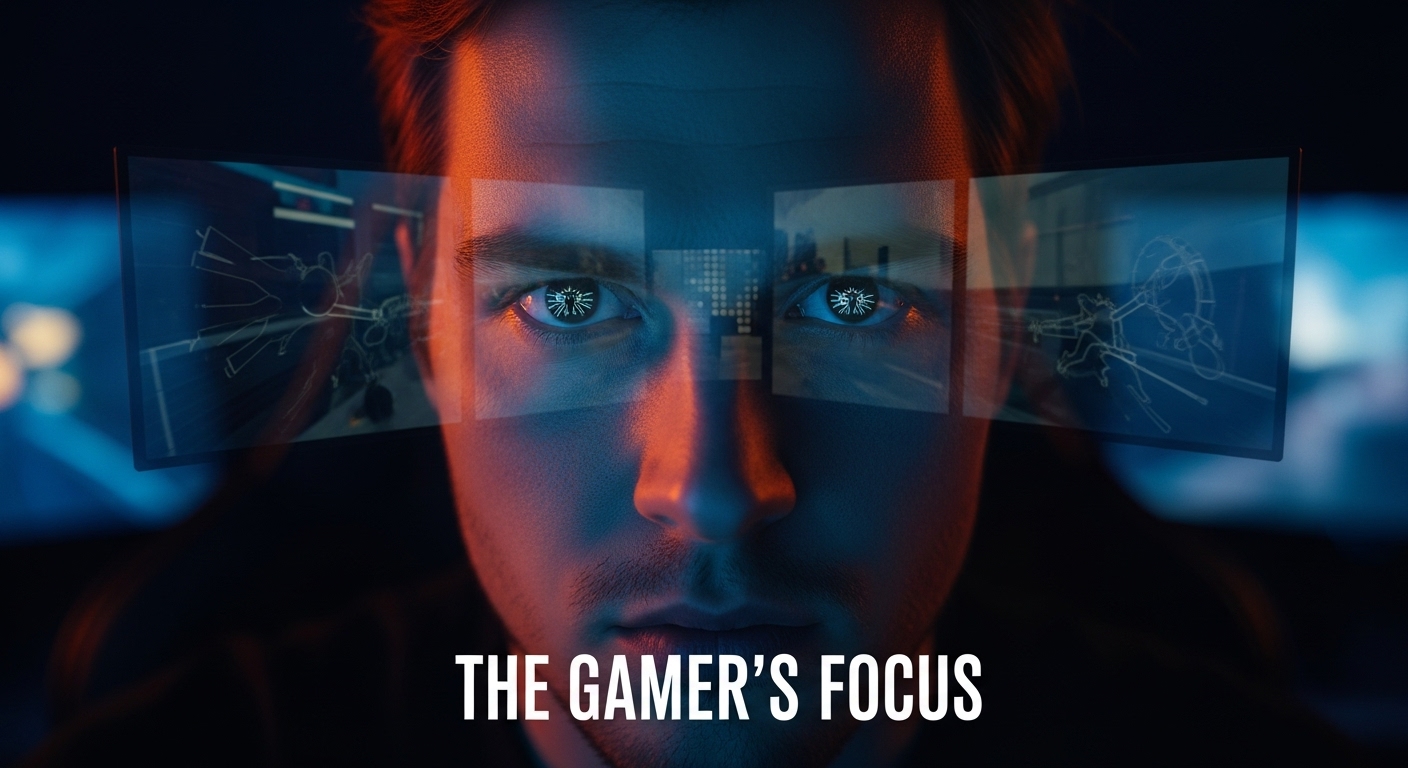
Esports demands a unique blend of mental, cognitive, and social skills. Reflexes, precision, and hand-eye coordination are critical in fast-paced games. Strategic thinking, pattern recognition, and adaptability are equally important, as players must anticipate opponents’ moves and adjust tactics in real-time.
Team-based esports require exceptional communication, collaboration, and leadership. Players coordinate complex strategies under pressure, making trust and emotional intelligence essential. Mental resilience is key, as high-stakes competitions demand focus, confidence, and the ability to recover from setbacks.
Training and Lifestyle of Esports Athletes
Professional esports athletes often train for several hours daily. Practice routines include individual skill development, team scrimmages, strategy reviews, and performance analysis. Coaches and analysts help players refine techniques, study opponents, and optimize gameplay.
Physical fitness is increasingly emphasized to support long-term performance. Many players engage in regular exercise, maintain proper nutrition, and prioritize rest to prevent burnout. Mental health is also a focus, with organizations offering psychological support to help players manage stress, focus, and maintain balance.
Esports as a Cultural Phenomenon
Esports has become more than competition; it is a cultural force. Gaming communities connect people globally, creating shared experiences and fostering friendships. Esports celebrities influence fashion, language, and digital culture, while tournaments are celebrated as social events that blend entertainment, competition, and spectacle.
This cultural impact extends to media, music, and art, with gaming themes appearing in movies, merchandise, and fan creations. Esports also challenges traditional perceptions of athletics, demonstrating that competition can thrive in digital environments and that intellectual skill and teamwork are as important as physical prowess.
Career Opportunities in Esports
While professional players often gain the spotlight, esports offers diverse career paths. Coaches, analysts, team managers, event organizers, broadcasters, marketers, and content creators all play vital roles. Game developers and designers also benefit, as esports communities drive innovation and engagement.
Educational programs are emerging to prepare students for careers in esports, focusing on management, media, marketing, and event production. The industry provides financial opportunities and professional growth, making esports a viable and rewarding career path.
Educational Benefits of Esports
Esports is increasingly integrated into educational institutions. Schools and universities establish clubs, teams, and competitions to teach teamwork, strategy, communication, and digital literacy. Participation develops leadership, time management, and problem-solving skills, preparing students for professional environments.
These programs also emphasize balance, ensuring students engage responsibly with gaming while pursuing academics. Scholarships for esports talent highlight recognition of gaming as a constructive and skill-based activity.
Economic Impact of Esports
The esports industry generates substantial revenue globally. Income comes from sponsorships, advertising, media rights, merchandise, ticket sales, and streaming. Major tournaments boost local economies through tourism, event staffing, and infrastructure investment.
Beyond professional players, esports supports jobs in coaching, event production, broadcasting, marketing, and content creation. The economic ecosystem of esports continues to grow, influencing technology, media, and entertainment industries worldwide.
Challenges Facing Esports
Despite its rapid growth, esports faces challenges. Player burnout, mental health pressures, and long training schedules can negatively affect athletes. Ethical concerns such as cheating, harassment, and match manipulation threaten competitive integrity.
Access remains an issue, as aspiring players in underdeveloped regions may lack resources, training facilities, or mentorship. Ensuring diversity, equity, and inclusion is essential for sustainable growth and global expansion.
Technology’s Role in Esports Evolution
Technology underpins esports and drives its evolution. High-speed internet, powerful hardware, streaming platforms, and analytics software enhance gameplay and fan experiences. Artificial intelligence and data analysis are used to refine strategies, monitor performance, and improve training.
Emerging technologies like virtual reality, augmented reality, and cloud gaming promise to create more immersive and interactive competitive experiences. Technology continues to redefine how players compete and how audiences engage with esports.
The Future of Esports
Esports is poised for continued growth and mainstream recognition. Greater integration with traditional sports, increased investment, and expanded educational programs will strengthen the industry. Inclusivity, ethical governance, and health initiatives will play critical roles in sustaining success.
As technology evolves and global audiences expand, esports will continue to shape the future of entertainment, competition, and professional athletics. Digital arenas are becoming as respected and exciting as traditional sports venues, signaling a lasting transformation in how humans compete and connect.
Conclusion: Esports as a Modern Competitive Revolution
Esports represents a new era of competition. It combines skill, strategy, teamwork, and technology to create a professional ecosystem that rivals traditional sports. From grassroots communities to international tournaments, esports unites people, inspires ambition, and fosters innovation.
While challenges remain, esports has proven its legitimacy, cultural impact, and economic potential. It is more than a trend; it is a lasting movement that redefines athleticism and competitive excellence in the digital age. The rise of esports demonstrates that in the modern world, competition is no longer limited to physical arenas—it thrives in virtual landscapes, and its influence will continue to grow.