





Introduction: The Phenomenon of eSports
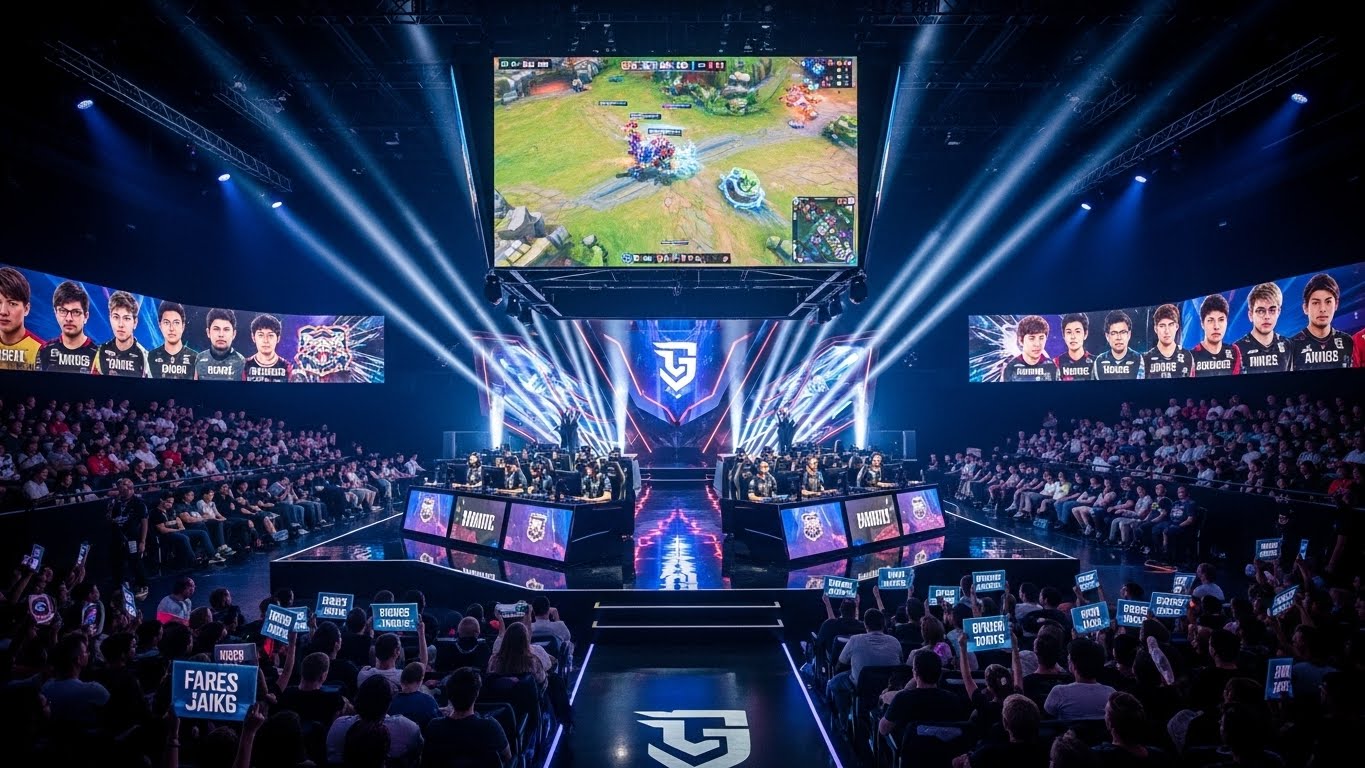
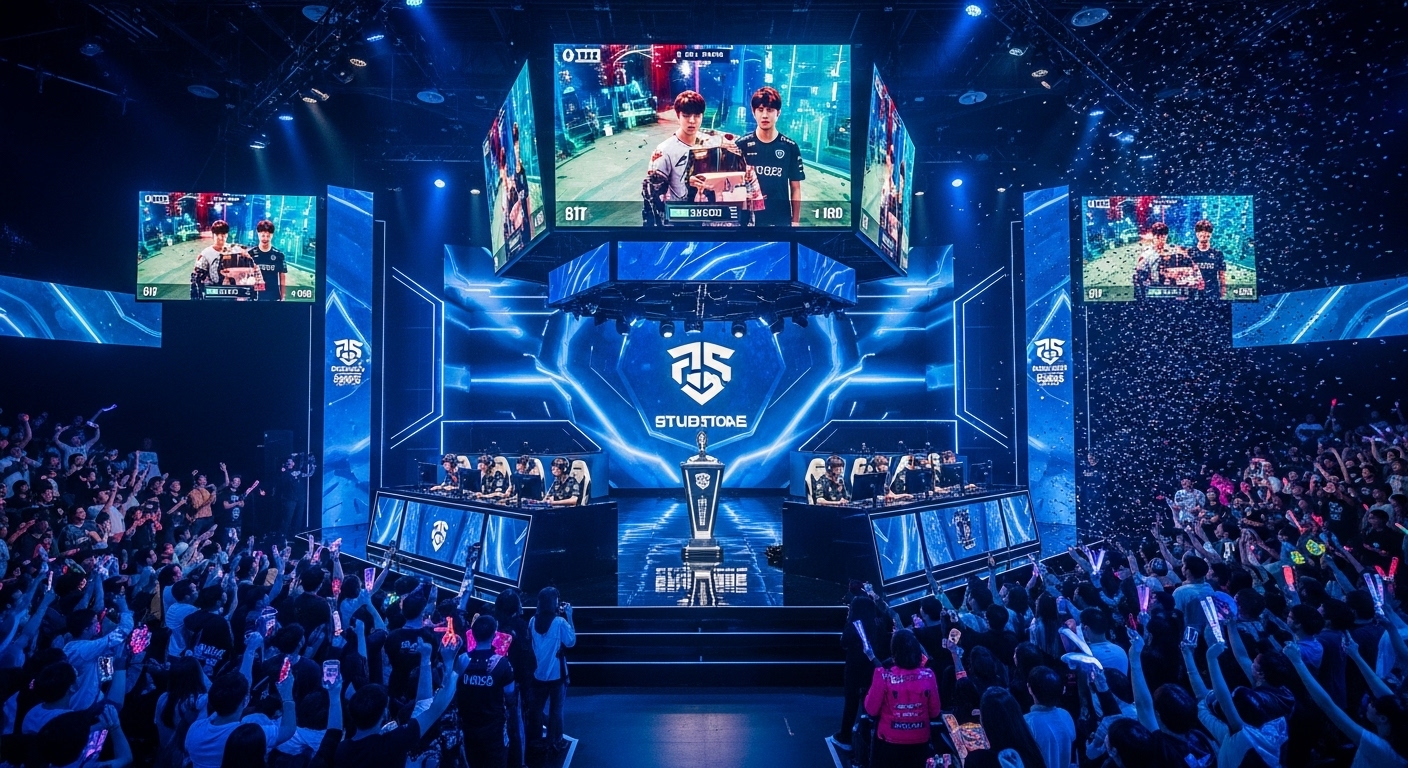
In the past two decades, the world of eSports has evolved from a niche hobby to a multi-billion-dollar industry. Once a pastime reserved for die-hard gamers, competitive gaming has now become a global entertainment phenomenon. Major tournaments attract millions of viewers, professional players earn multi-million-dollar salaries, and brands are eager to invest in the eSports ecosystem. What started as small gatherings of players competing in local tournaments has blossomed into a global spectacle where eSports athletes compete for huge prize pools, and fans cheer them on from around the world.
This blog will take you through the rise of eSports, the games that define the genre, its economic and social impact, and where this industry is headed in the future. eSports has firmly secured its place in the broader entertainment landscape, and this post explores the remarkable journey of competitive gaming and the incredible potential it holds.
The Origins of eSports: A Humble Beginning
The roots of eSports can be traced back to the early 1970s when players gathered to compete in arcade games like “Space Invaders” and “Pong.” However, it wasn’t until the 1990s that the concept of organized competitive gaming truly began to take shape. The advent of the internet and personal computers allowed gamers to connect and compete against each other from different locations. Early titles like “Doom” and “Warcraft” saw the first LAN (Local Area Network) tournaments, where players would connect their computers to compete against each other in real-time.
As the 2000s arrived, games like “StarCraft” and “Quake” set the stage for larger-scale online tournaments. Events such as the World Cyber Games, which started in 2000, provided a platform for global competition. This period marked the beginning of competitive gaming as a serious profession. Major corporations began to take notice of the growing eSports scene, recognizing the large audience potential and the opportunity for sponsorships. These early events were primarily focused on a small, dedicated community, but the growing interest in competitive gaming laid the groundwork for the massive global industry eSports would become.
The Games That Defined eSports
For eSports to become a global industry, the games that defined it had to offer the perfect balance of accessibility, competition, and entertainment. Over the years, several games have emerged as cornerstones of the eSports world, each contributing to the scene’s explosive growth. These games vary in genre, but they all share one thing in common: they are highly competitive and demand skill, strategy, and teamwork.
Multiplayer Online Battle Arenas (MOBAs)
One of the biggest contributors to eSports’ rise is the Multiplayer Online Battle Arena (MOBA) genre. Games like “League of Legends” and “Dota 2” dominate the competitive scene. These games feature teams of players who control individual characters with unique abilities, and their goal is to defeat the opposing team while also defending their own base. MOBAs are strategic, fast-paced, and require teamwork, making them perfect for eSports. Tournaments such as “The International” (Dota 2) and the “League of Legends World Championship” offer massive prize pools, sometimes exceeding $20 million, and attract millions of viewers worldwide.
First-Person Shooters (FPS)
First-person shooters like “Counter-Strike: Global Offensive” (CS:GO) and “Overwatch” have also carved out a significant space in eSports. FPS games typically focus on precision, reflexes, and teamwork, with players working together to complete objectives such as planting bombs or securing key locations. Tournaments like the CS:GO Major Championships are highly prestigious, with teams competing for both pride and substantial financial rewards. FPS games are often thrilling to watch because of their fast-paced action and unpredictable outcomes.
Battle Royale Games
The Battle Royale genre, popularized by games like “Fortnite” and “Apex Legends,” has added a fresh dimension to eSports. These games throw dozens of players into a shrinking arena, where the last one standing wins. The format is exciting because it combines individual skill with strategic decision-making. “Fortnite” in particular has made waves, with massive prize pools and an international player base. The fast-paced nature of Battle Royale games makes them perfect for live streaming, and these tournaments have become a major part of the eSports calendar.
Sports Simulation Games
Sports simulation games such as “FIFA,” “NBA 2K,” and “Madden NFL” have also become popular in the eSports world. These games are virtual representations of traditional sports, and competitive players replicate real-life strategies and tactics in digital form. The “FIFA eWorld Cup” and “NBA 2K League” are prime examples of how virtual sports can reach the same level of excitement as traditional sports. These titles offer an accessible entry point for casual gamers while also attracting sports fans who want to watch their favorite athletes in a different format.
The Social and Cultural Impact of eSports
One of the most remarkable aspects of eSports is its ability to build communities and foster social interaction among players and fans. Unlike traditional sports, where physical location often limits fan interaction, eSports allows people from all over the world to participate, watch, and engage with each other. Streaming platforms such as Twitch and YouTube Gaming have created an ecosystem where players can build large followings by live-streaming their gameplay.
These platforms have turned professional eSports players into global celebrities. Streamers like Ninja, Shroud, and Pokimane are just as well-known as traditional athletes, and they have leveraged their fame to build brands, launch merchandise lines, and attract sponsorships. Watching eSports isn’t just about the competition—it’s about following the journeys of players, learning from their skills, and being part of a community. Fans can interact with players in real-time through live chat, offering a sense of intimacy that traditional sports broadcasts don’t always provide.
Moreover, eSports has become an avenue for breaking down barriers. While gaming was once stereotyped as a male-dominated space, eSports has seen an increase in female participation, both as players and fans. There is also a growing movement to promote mental health awareness within the eSports community, highlighting the importance of balance, self-care, and support in a highly competitive and demanding environment.
The Economic Impact of eSports
The financial growth of eSports is nothing short of staggering. According to recent reports, the eSports industry is worth over $1 billion and is expected to continue growing at a rapid pace. Revenue is generated from multiple streams, including sponsorships, advertising, media rights, ticket sales, and merchandise. Companies from outside the gaming industry, such as Coca-Cola, Red Bull, and Intel, are investing heavily in eSports because they see the potential to reach a younger, tech-savvy audience.
Prize pools for major tournaments continue to increase, with “The International” Dota 2 tournament offering one of the largest prize pools in eSports history, often surpassing $30 million. Top-tier eSports players can earn significant salaries, sometimes exceeding those of professional athletes in traditional sports. In addition to tournament earnings, players and teams can secure endorsement deals, live-streaming revenue, and other sponsorship opportunities.
The rise of eSports has also led to the growth of jobs beyond playing. Event organizers, commentators, analysts, coaches, content creators, and even team managers are now working full-time in the eSports ecosystem. Universities are also beginning to offer scholarships and degree programs in eSports management, marketing, and broadcasting, further legitimizing eSports as a professional career path.
Technological Innovation: Fueling eSports Growth
Technology has played a key role in the success of eSports, from improving game performance to enhancing the spectator experience. High-speed internet, powerful gaming computers, and cutting-edge streaming technology allow eSports to be played and viewed at the highest level. The use of advanced broadcasting tools allows organizers to present live events in a way that rivals traditional sports broadcasts. Real-time statistics, in-depth player analysis, and multiple camera angles give viewers an immersive experience.
Virtual Reality (VR) and Augmented Reality (AR) are expected to further elevate the eSports experience in the coming years. These technologies could provide players with even more immersive gameplay, while spectators might experience games from a new perspective, offering an interactive viewing experience. Cloud gaming services, such as Google Stadia and Xbox Cloud Gaming, are also making it easier for players to access high-quality games without needing expensive hardware, potentially opening the door for a new generation of eSports players.
eSports and Traditional Sports: The Convergence of Two Worlds
As eSports continues to gain popularity, there is an increasing overlap between the gaming and traditional sports industries. Traditional sports teams and leagues are beginning to invest in eSports teams or sponsor eSports tournaments. The NBA, for example, has launched the “NBA 2K League,” bringing professional basketball players and gamers together. Other sports organizations, including football and soccer leagues, are also creating their own eSports divisions.
This convergence is likely to increase as eSports becomes more mainstream. Many eSports teams are modeled after traditional sports franchises, with managers, coaches, and even team owners. This crossover is helping to elevate the status of eSports and solidify its place as a legitimate and respected form of competition.
The Future of eSports: Unlimited Potential
Looking ahead, the future of eSports is incredibly promising. The global audience for eSports continues to grow, particularly in regions like Asia, Europe, and North America. As internet access improves worldwide and mobile gaming becomes more widespread, eSports will become even more accessible to players and fans everywhere.
The integration of new technologies, the development of new game genres, and the continued support from global brands will ensure that eSports remains at the forefront of entertainment. The potential for eSports to become part of the Olympic Games