





Introduction
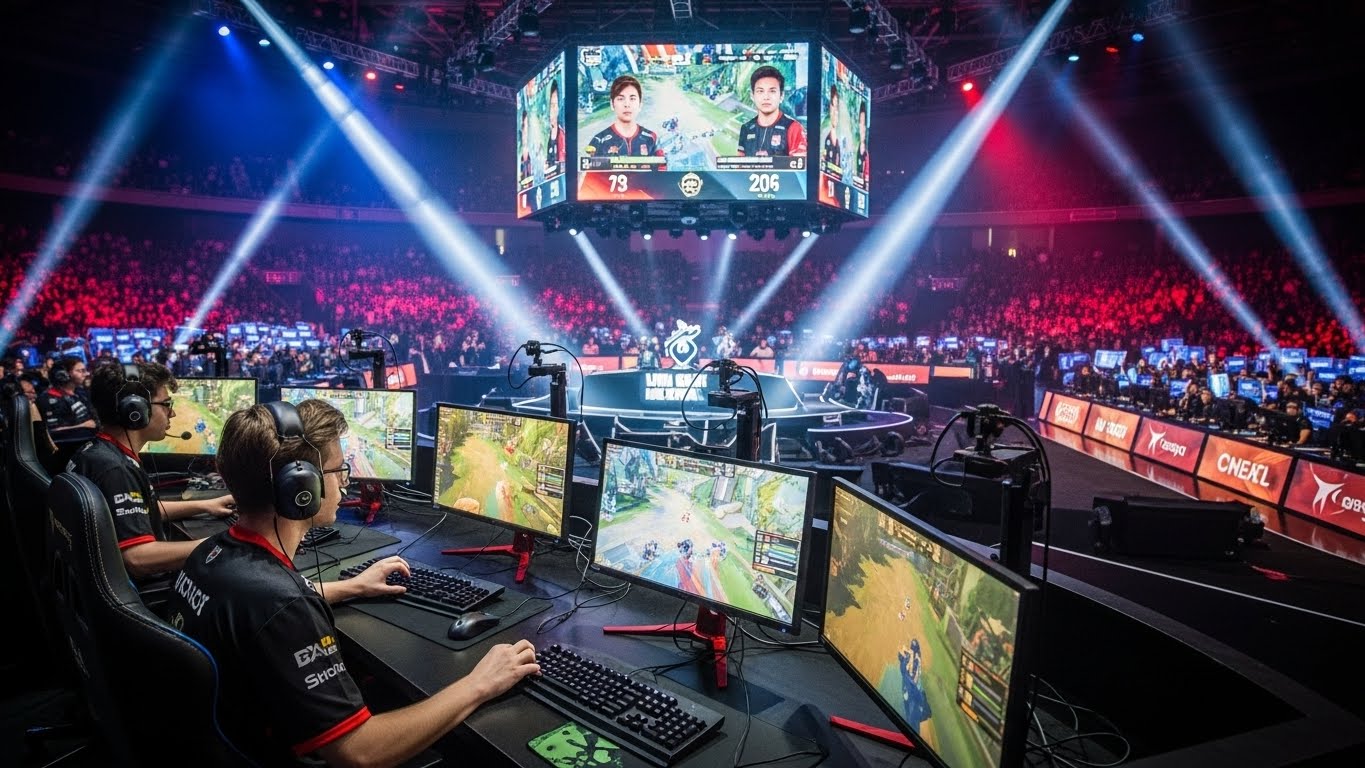
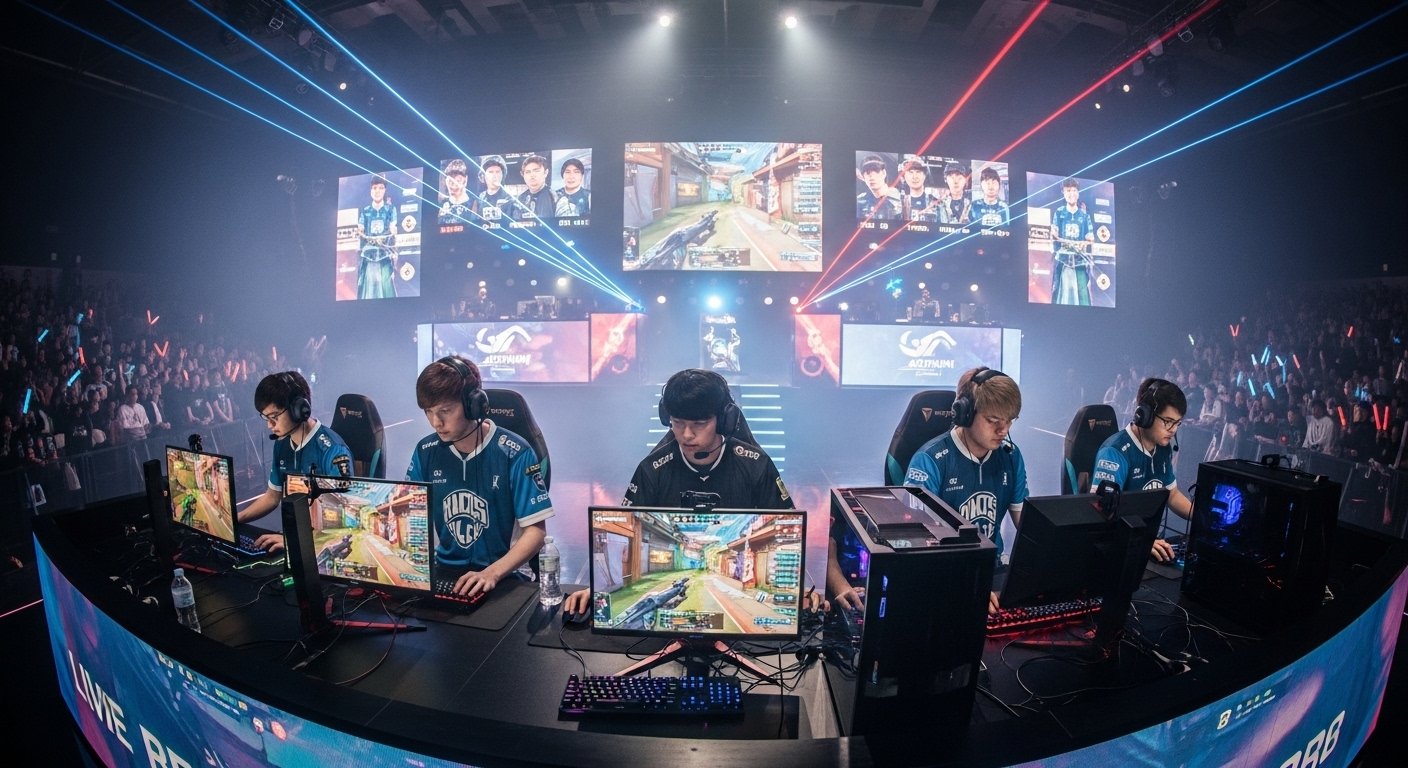
eSports, short for electronic sports, has become one of the most exciting and rapidly growing industries in the world. Unlike traditional sports, eSports takes place entirely in the digital realm, where players compete in video games that demand skill, strategy, and quick thinking. From casual gamers to professional teams, millions of people are now part of this global phenomenon, making eSports a major player in entertainment and competition.
The Growth of eSports
Over the past decade, eSports has transformed from small, local tournaments into international spectacles. Popular games like League of Legends, Dota 2, Counter-Strike, and Fortnite have become central to competitive gaming, attracting millions of viewers and large prize pools. Streaming platforms allow fans to watch live matches, follow their favorite players, and engage with global communities, creating a sense of connection and excitement that rivals traditional sports.
Skills and Strategy in eSports
Success in eSports requires more than fast reflexes. Players must develop critical thinking, strategic planning, and teamwork to excel. Team-based games emphasize coordination, communication, and leadership, while individual competitions focus on precision, adaptability, and focus. Professional players often dedicate hours of practice each day, demonstrating that eSports demands discipline, mental strength, and dedication similar to any elite athletic pursuit.
Social and Cultural Impact
eSports has a unique ability to connect people worldwide. Online communities allow players and fans to share experiences, strategies, and stories, fostering a sense of belonging. Tournaments and live events bring together diverse audiences, promoting cultural exchange and inclusivity. eSports has also opened new career opportunities, including professional gaming, coaching, commentary, and event management, making it an influential cultural and economic force.
Challenges Facing eSports
Despite its popularity, eSports faces challenges. Extended gaming hours can impact physical and mental health, while online toxicity and cheating can negatively affect players’ experiences. Additionally, regulation and fair play remain concerns for the industry. To thrive sustainably, players and organizers must prioritize responsible gaming, ethical competition, and community support.
The Future of eSports
The future of eSports looks brighter than ever. Advances in technology, such as virtual reality, augmented reality, and artificial intelligence, are creating even more immersive and interactive experiences. With growing sponsorships, professional leagues, and media coverage, eSports continues to gain legitimacy as a recognized form of competition. Its global reach and innovation suggest that eSports will remain a central part of digital entertainment for years to come.
Conclusion
eSports is not just a form of entertainment—it is a platform for skill, strategy, and global connection. It challenges players to think critically, work collaboratively, and continuously improve, while providing fans with exciting, immersive experiences. As technology evolves and the industry grows, eSports will continue to redefine competition in the digital age, proving that the virtual arena is just as thrilling and impactful as any traditional sport.
I can also create a shorter, more engaging version of this blog that highlights famous