





The Evolution of Esports
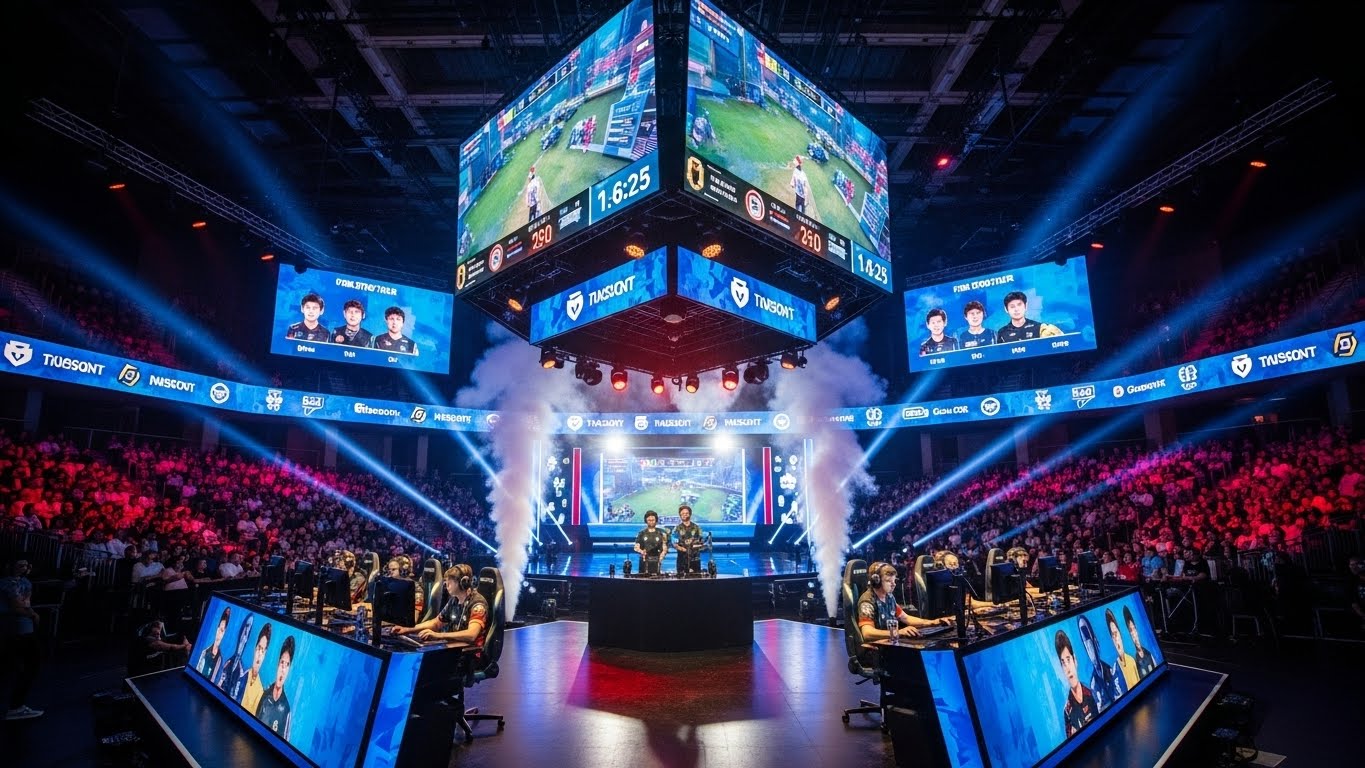
Esports, short for electronic sports, has grown from a niche hobby into a global entertainment powerhouse. In the early days, competitive gaming consisted of small tournaments among friends or local communities. Today, esports events fill stadiums, attract millions of online viewers, and generate significant revenue. It has become a legitimate profession, offering careers for players, coaches, commentators, and organizers alike.
The Structure of Competitive Gaming
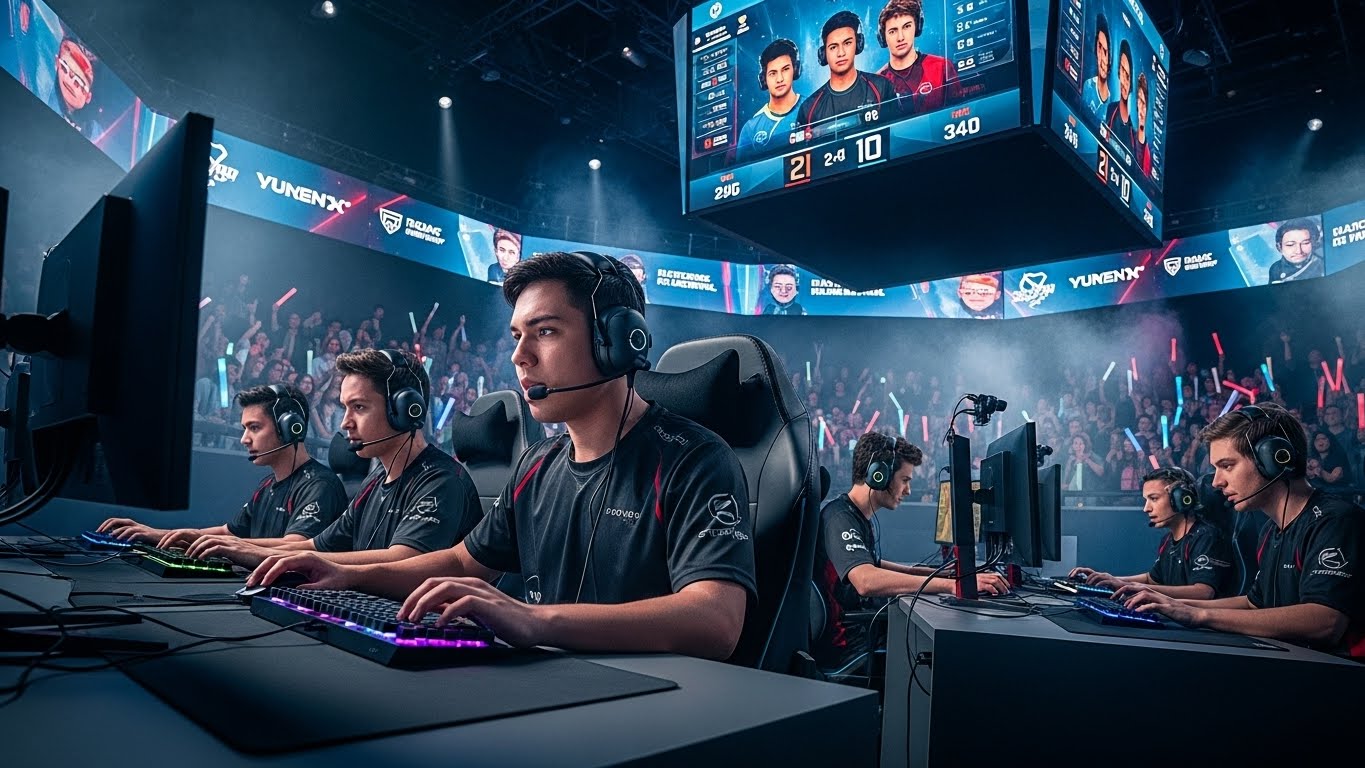
Esports is more than just playing video games—it is a complex ecosystem. Professional players compete in games ranging from first-person shooters and strategy games to battle royale and sports simulations. Each team has coaches, analysts, and managers who study gameplay strategies and improve performance. Major tournaments are broadcast worldwide, complete with commentary, live analysis, and fan interaction, bringing the excitement of competitive gaming to millions.
Why Esports Appeals to Fans
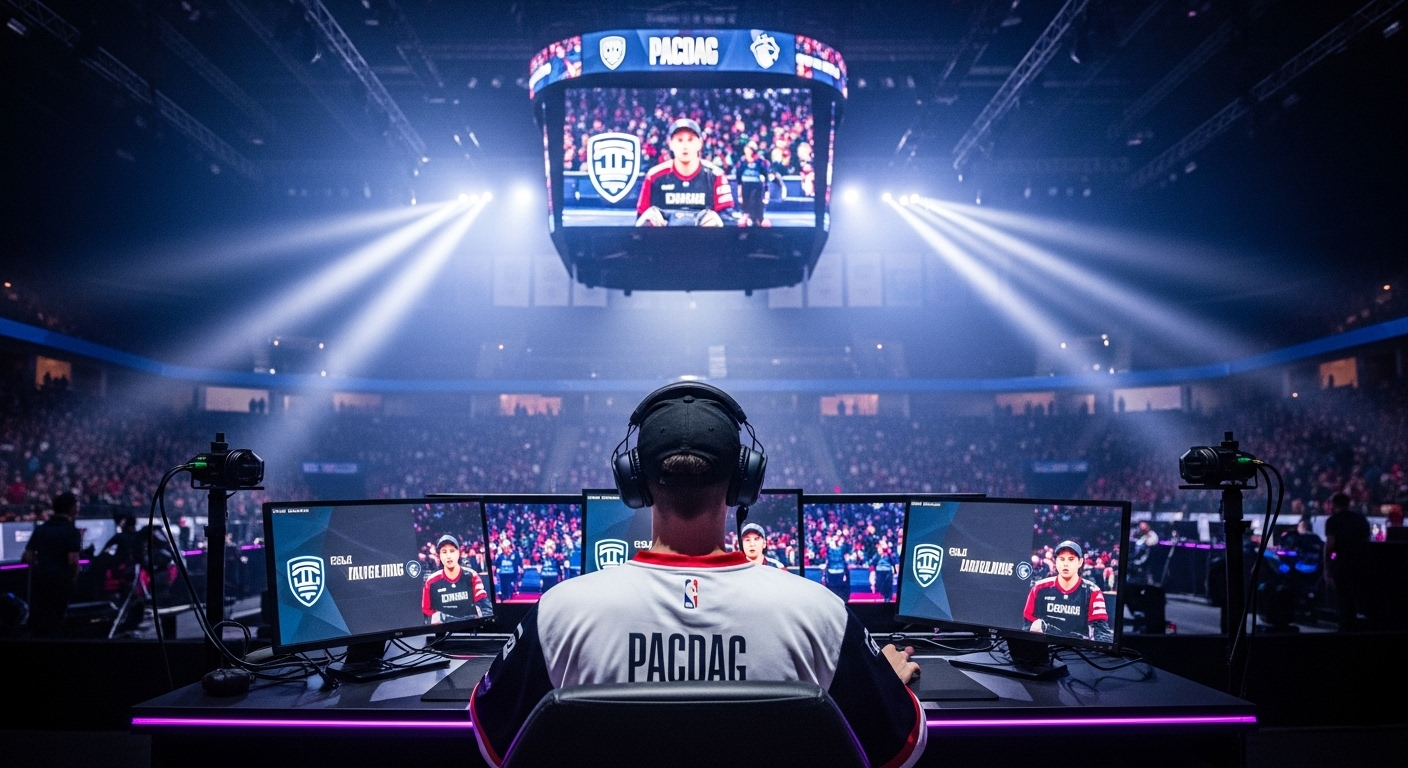
Esports has a universal appeal due to its accessibility and excitement. Unlike traditional sports, fans from anywhere in the world can watch tournaments online or participate in competitions. The fast-paced gameplay, strategic depth, and teamwork involved make esports thrilling to watch and play. Additionally, the sense of community and shared passion among fans strengthens the connection to the games and players they love.
Technology as a Driving Force
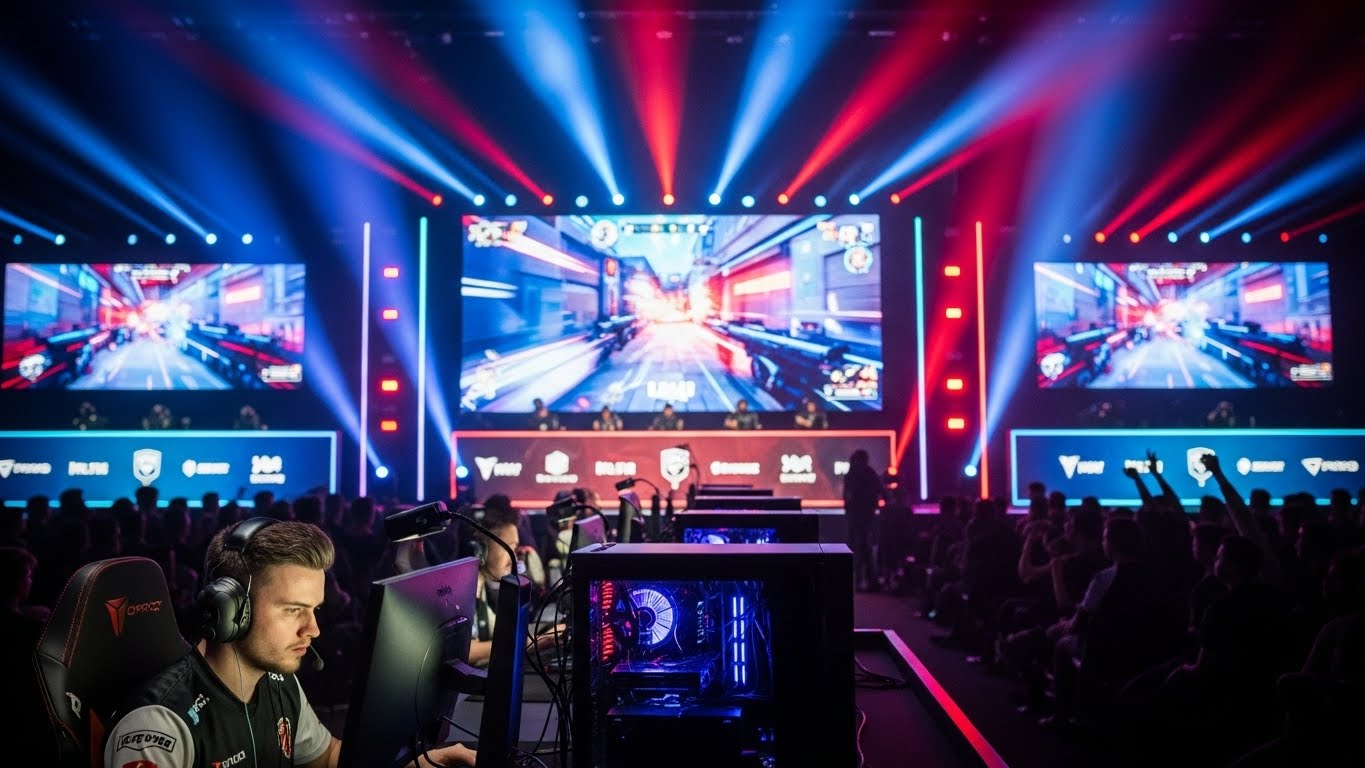
The growth of esports is closely tied to advancements in technology. High-speed internet, powerful gaming hardware, and streaming platforms have made global competition possible. Emerging technologies such as virtual reality and AI-driven coaching tools are enhancing both gameplay and training. Streaming services allow fans to watch events live and interact with players, creating an engaging and immersive experience that traditional sports cannot always offer.
Challenges Facing the Industry
Despite its rapid rise, esports faces notable challenges. Professional players often experience intense pressure, long hours, and mental or physical strain. Regulatory concerns, such as fair play, contracts, and prize management, also need attention. Ensuring player well-being and maintaining industry standards are critical for sustainable growth and long-term credibility.
The Future of Esports
The future of esports is full of promise. Universities and colleges are introducing esports programs, traditional sports organizations are investing in esports teams, and media coverage is expanding. As technology evolves and the audience grows, esports is likely to become an even more integral part of entertainment, shaping how people compete, watch, and engage with games worldwide.
Conclusion
Esports is not just about playing video games—it is a cultural movement that is redefining competition, entertainment, and community. Its growth demonstrates the potential of digital skill, strategy, and dedication in virtual arenas. As the industry continues to evolve, esports will continue to captivate audiences, inspire new talent, and influence the future of global entertainment.