






Introduction
In the modern era, where technology and entertainment have merged seamlessly, eSports has emerged as one of the most influential and rapidly growing industries worldwide. Once a niche interest for gamers, competitive gaming has evolved into a global phenomenon with massive tournaments, devoted fanbases, and substantial financial investments. eSports, short for electronic sports, refers to organized, multiplayer video game competitions, often between professional players or teams. While it was initially perceived as an activity for enthusiasts, eSports has now become a mainstream form of entertainment, attracting millions of viewers and challenging the boundaries of traditional sports. This blog post takes a deeper look into how eSports has evolved, the factors contributing to its growth, and what its future might hold.
The Early Beginnings of eSports
The concept of competitive gaming dates back to the early days of video games. In the 1970s, the first video game competitions began taking place around arcade games such as Pong. These early tournaments were small in scale but marked the beginning of what would become a much larger global trend. However, it wasn’t until the advent of more complex and interactive games in the 1990s that the foundation for eSports as a professional competitive activity was laid.
In the mid-1990s, games such as Quake, Warcraft II, and StarCraft allowed players to connect to local area networks (LAN) and, for the first time, compete with others over the internet. The ability to connect with players from all over the world was a game-changer, both for gaming and the future of competitive play. During this time, the first major gaming tournaments and events began to surface, such as the World Cyber Games and the Electronic Sports World Cup. These events gathered players from different countries, and although the scene was still in its infancy, it was clear that competitive gaming had potential beyond just local events and internet cafes.
The Evolution of eSports
From the late 1990s through the early 2000s, eSports began to gain momentum. With the rise of high-speed internet and advancements in gaming technology, the infrastructure necessary for organizing larger events and reaching a broader audience was established. Major titles like StarCraft, Counter-Strike, and Warcraft III became the mainstays of early competitive gaming. These games provided a platform for players to compete in tournaments, sometimes with substantial prize money, attracting the first wave of professional gamers.
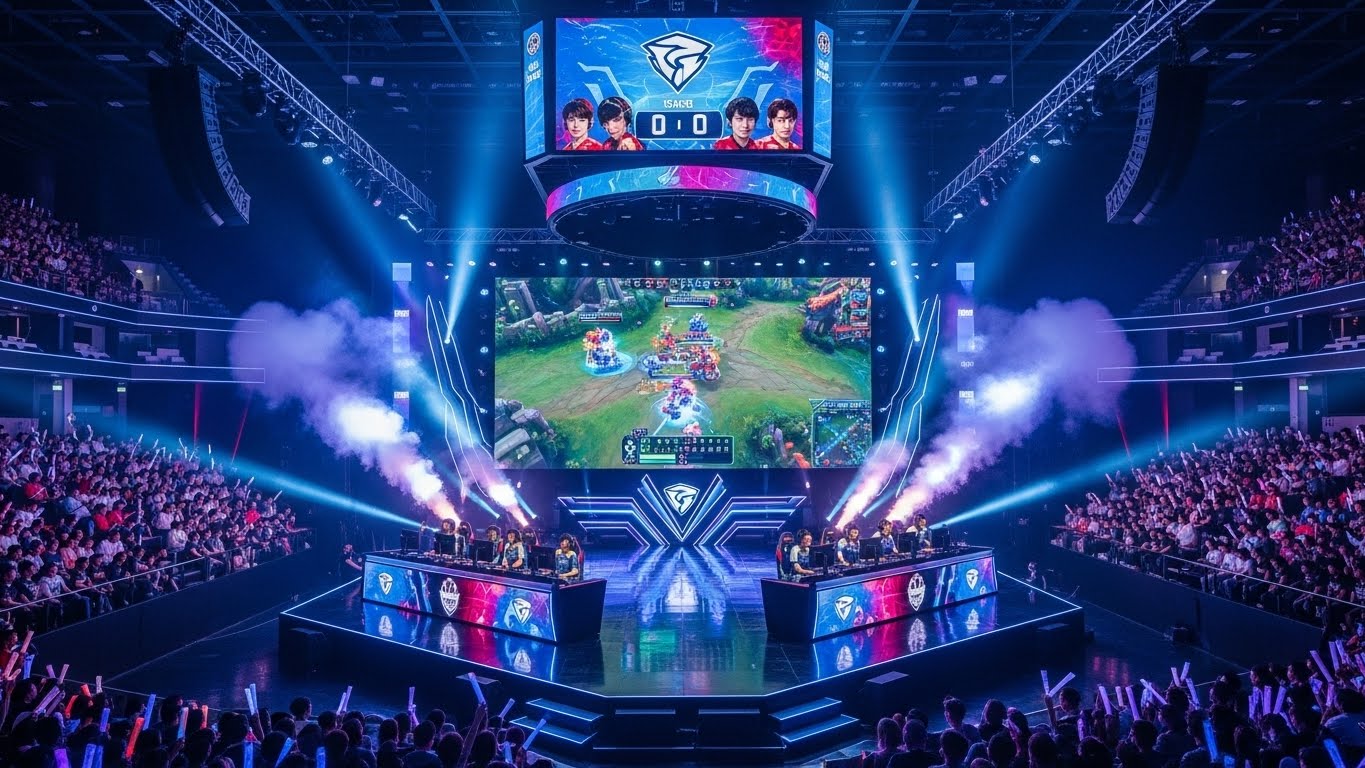
The mid-2000s witnessed the first significant eSports tournaments with a professional structure. By this time, leagues and teams began to form around popular games, creating the foundations of modern eSports. One of the most notable events was the creation of the League of Legends World Championship, which first took place in 2011. This event is considered one of the milestones that helped solidify eSports as a serious competitive endeavor. Riot Games, the developer behind League of Legends, invested heavily in the tournament’s infrastructure, making it one of the most-watched and prestigious events in the gaming world.
As the internet grew more accessible globally, streaming platforms such as Twitch, YouTube Gaming, and Facebook Gaming became key drivers of eSports’ growth. These platforms allowed fans to watch live gameplay, interact with players in real time, and create their own communities around specific games or teams. The ability to watch professional-level gameplay from the comfort of one’s own home became a game-changer in terms of audience engagement and fan loyalty. The explosion of streaming further contributed to the rapid rise of eSports as an international spectator sport.
eSports: A Professional Industry
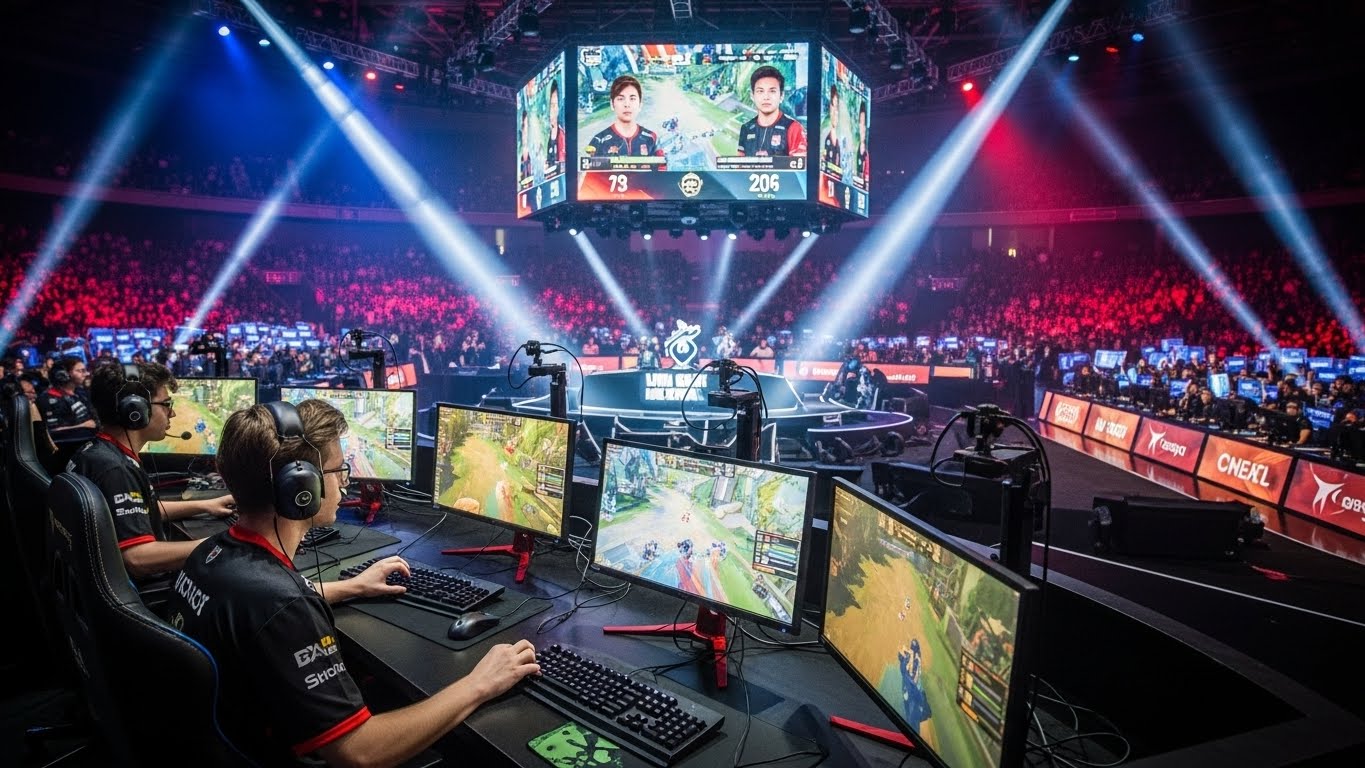
What was once seen as a casual activity for gaming enthusiasts has now become a highly professionalized and lucrative industry. eSports athletes—players, coaches, analysts, and even team managers—now treat gaming as a full-time profession. The landscape of competitive gaming has shifted from informal LAN parties and local tournaments to fully-fledged professional leagues with multi-million-dollar prize pools, media rights, sponsorship deals, and career opportunities.
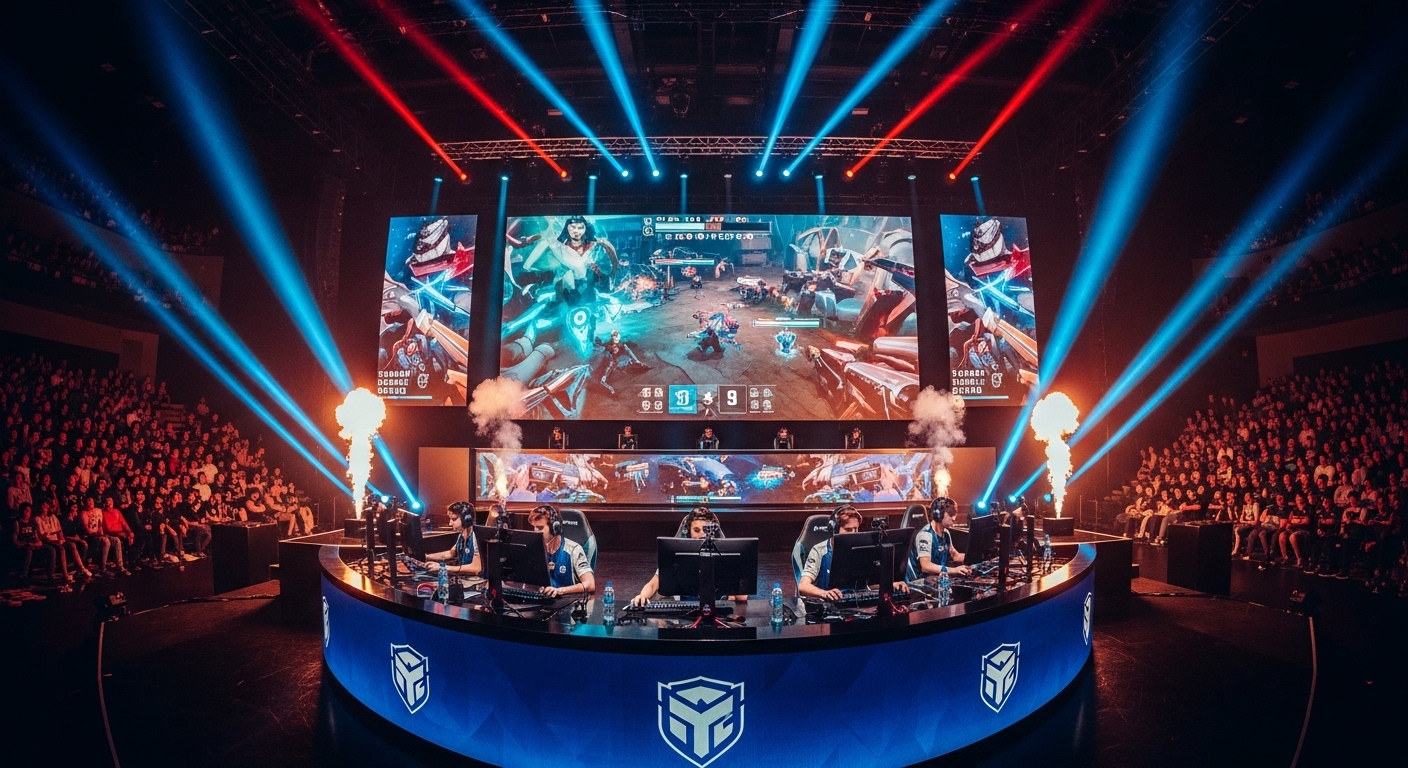
Professional eSports leagues, such as the League of Legends Championship Series, Overwatch League, and Call of Duty League, have adopted a franchise-based model similar to traditional sports leagues like the NBA and NFL. This model has brought stability and structure to the eSports ecosystem, with teams competing for top-tier talent and generating revenue through sponsorships, merchandise, and live event ticket sales.
The rise of eSports organizations has also led to the creation of full-fledged team facilities and dedicated training centers, where players can practice, strategize, and improve their skills. These teams often employ a range of professionals, from analysts who study opponents’ gameplay to psychologists who help players maintain peak mental health. Just as in traditional sports, the pressure to perform is immense, and the commitment to daily practice, preparation, and teamwork is central to the success of eSports organizations.
The Economics of eSports
The financial side of eSports is a testament to its rapid growth. The eSports industry is projected to generate billions of dollars annually, with revenue streams coming from a variety of sources, including sponsorships, advertising, media rights, merchandise, and ticket sales. In fact, major tournaments, such as The International for Dota 2, feature prize pools that dwarf those of many traditional sports events. The 2021 prize pool for The International reached over $40 million, making it one of the largest single-event prize pools in competitive gaming history.
Sponsors and advertisers have taken notice of eSports’ enormous potential, with brands such as Coca-Cola, Intel, Red Bull, and Nike entering the market. These companies view eSports as a way to reach the younger demographic that traditionally spends more time playing video games than watching traditional TV. Sponsorships have become a cornerstone of the eSports business model, with companies backing tournaments, teams, and players to increase their visibility within the gaming community.
Moreover, media companies have also recognized the financial potential of broadcasting eSports events. In addition to streaming platforms like Twitch and YouTube, traditional media outlets like ESPN and Turner Sports have started broadcasting eSports tournaments, giving competitive gaming more mainstream exposure. As more people tune in to watch live tournaments, advertising revenue and broadcasting rights will continue to be a driving force behind the growth of eSports.
The Global Reach of eSports
One of the defining features of eSports is its ability to transcend borders. Unlike traditional sports, which often rely on regional leagues and physical stadiums, eSports operates on a global scale, with players and fans connecting from all over the world. International tournaments like the League of Legends World Championship and The International draw viewers from every corner of the globe, creating a truly global fanbase.
eSports’ worldwide appeal is further reinforced by its digital nature. Players do not need to travel to a physical location to compete; they can play from their homes, using the internet to connect with others. This level of accessibility has made eSports a global spectacle, where fans from countries as diverse as South Korea, Brazil, the United States, and China can all share in the excitement of a high-stakes match.
Streaming platforms have also played a crucial role in breaking down geographical barriers. Viewers from different countries can tune in to watch events in real-time, often with live translations and commentary available in multiple languages. This accessibility has allowed eSports to build communities and fanbases across the globe, uniting people from different cultures under the shared banner of competitive gaming.
The Social Aspect of eSports
Beyond the competition itself, eSports has also had a significant social impact. It has created vibrant online communities where fans and players can interact, share content, and celebrate their love of gaming. Platforms like Twitch allow viewers to not only watch games but to communicate with players and other fans in real-time. Fans can cheer on their favorite players, ask them questions, or simply engage in discussions about the game.
In addition, eSports has provided players with a platform to build personal brands and develop direct connections with their audiences. Many professional eSports athletes have become influential personalities, leveraging their fame and following to promote products, stream their gameplay, or create content on platforms like YouTube and Instagram. This personal connection between players and fans has helped solidify eSports as not just a form of entertainment but a shared cultural experience.
The Future of eSports
The future of eSports looks incredibly promising. As technology continues to advance, new opportunities for innovation will emerge. One of the key developments that could further revolutionize eSports is the integration of virtual reality (VR) and augmented reality (AR) into competitive gaming. These technologies have the potential to offer players and fans an entirely new level of immersion, allowing them to experience gameplay in ways that were previously impossible.
Mobile gaming is also an area of immense potential for the future of eSports. Games like PUBG Mobile, Clash Royale, and Arena of Valor have shown that competitive gaming can thrive on mobile platforms, which are accessible to a much larger global audience. With mobile devices becoming more powerful and feature-rich, the future of mobile eSports looks bright, opening up new possibilities for both players and spectators.
As eSports continues to grow, it will also likely attract more investment from traditional sports organizations and major corporations. The lines between eSports and traditional sports will continue to blur, with more partnerships, sponsorships, and cross-industry collaborations on the horizon.
Conclusion
eSports has come a long way since its early beginnings, transforming from a hobby into a global, multi-billion-dollar industry. As the digital world continues to evolve, so too does the world of competitive gaming. With its vast global reach, professional leagues, and growing fanbase, eSports is set to redefine the way we view competition and entertainment.