





Introduction
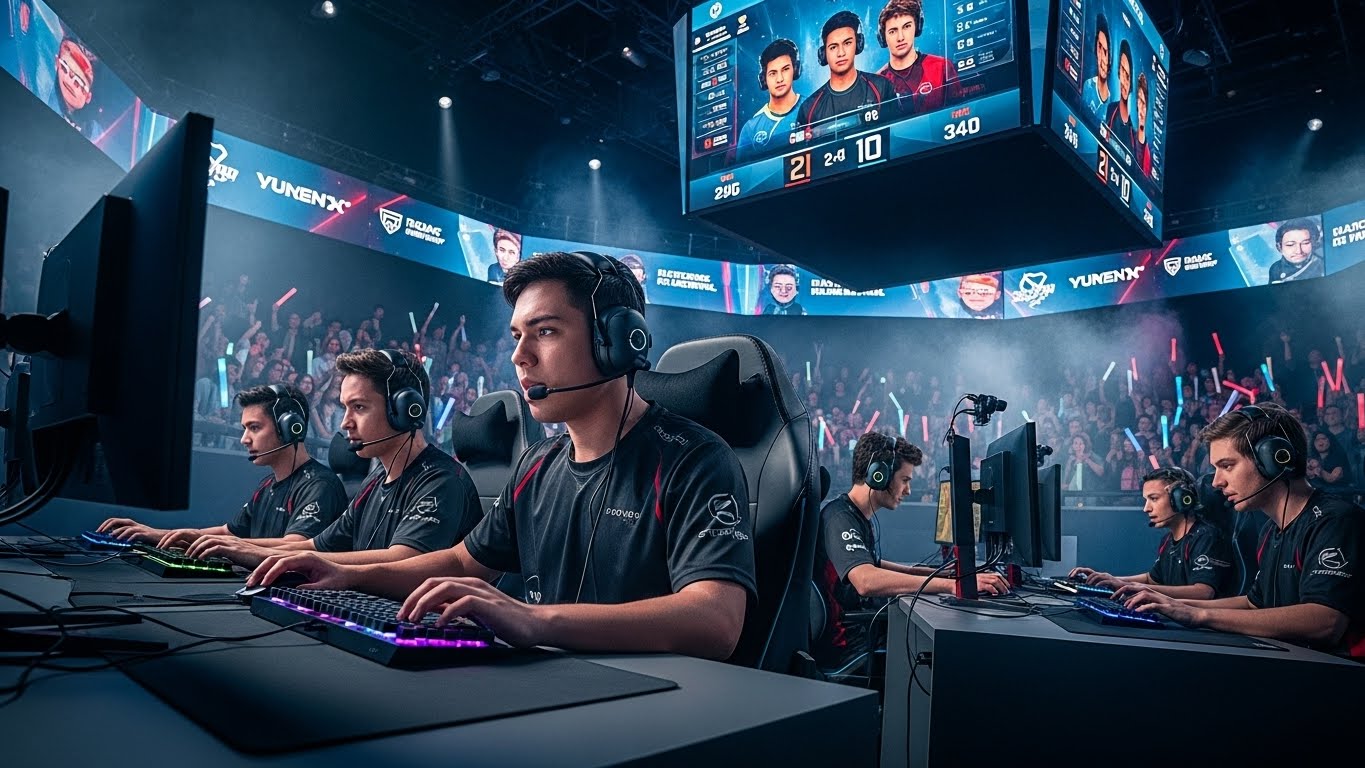
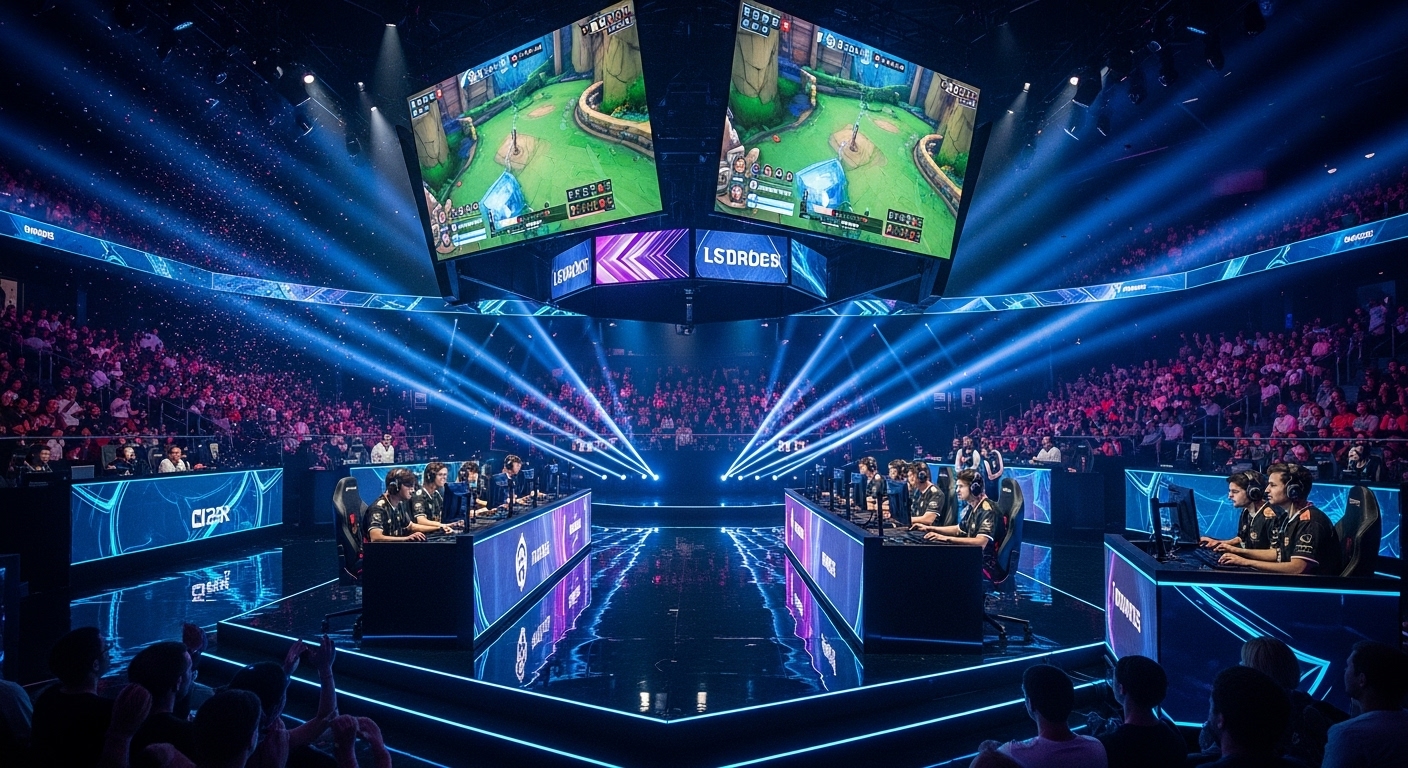
In the past decade, eSports has emerged as one of the fastest-growing industries in the world. What began as friendly gaming sessions among friends has evolved into a global spectacle watched by millions. Today, eSports represents not just digital entertainment but also a new form of athleticism, teamwork, and dedication. It has bridged the gap between technology and competition, creating a cultural movement that continues to shape the future of sports.
The Beginning of eSports
The concept of competitive gaming can be traced back to the late 1970s and 1980s when arcade tournaments began to gain popularity. However, it was the rise of the internet that truly transformed gaming into a competitive global event. Early online games like StarCraft and Counter-Strike introduced multiplayer experiences that laid the foundation for modern eSports. As technology improved, online tournaments expanded, drawing players from every corner of the world.
From Hobby to Professional Sport
In the early days, gaming was seen as a pastime rather than a career. But the evolution of eSports changed that perception. Professional players now train rigorously, studying strategies, improving reflexes, and developing mental endurance. Teams are managed like traditional sports clubs, complete with coaches, analysts, and sponsors. This professional structure has elevated gaming into a respected competitive field, earning recognition on global platforms.
The Business of eSports
eSports is no longer just about playing games; it has become a billion-dollar business. Tournaments attract massive audiences, both live and online, and generate substantial revenue through sponsorships, advertising, and media rights. Major brands and companies now invest in eSports teams and events, recognizing the immense marketing potential within the gaming community. This commercial success has solidified eSports as a key player in the entertainment industry.
The Role of Technology
Technology is the heartbeat of eSports. High-speed internet, advanced graphics, and powerful gaming hardware have made professional gaming possible at an unprecedented scale. The rise of virtual reality and artificial intelligence is expected to further revolutionize the way games are played and experienced. These innovations continue to push the boundaries of what competitive gaming can achieve, offering both players and fans an immersive experience.
The Global Community
One of the most remarkable aspects of eSports is its global reach. Players and fans from different countries, cultures, and languages come together to celebrate their shared passion for gaming. International tournaments foster unity and cultural exchange, proving that competition can bring people closer rather than divide them. eSports has built a digital community that transcends borders and inspires collaboration across the world.
Challenges in the eSports Industry
Despite its success, eSports faces several challenges. Issues like player burnout, mental health concerns, and lack of regulation remain significant hurdles. Ensuring fair play, preventing cheating, and maintaining diversity are ongoing priorities for the industry. Addressing these challenges will be crucial for building a sustainable future for eSports and protecting the well-being of its players.
Education and Career Opportunities
As eSports grows, it is opening new doors in education and career development. Many universities now offer scholarships and degrees related to gaming, digital media, and eSports management. Beyond playing, there are career paths in commentary, coaching, event organization, and game design. This expansion shows that eSports is not just entertainment—it is a gateway to innovation and professional growth.
The Future of eSports
The future of eSports looks incredibly bright. With new technologies, improved accessibility, and growing recognition, it is expected to become one of the most influential industries of the 21st century. Mobile gaming, virtual arenas, and augmented reality competitions will take the eSports experience to new heights. The boundaries between physical and digital competition will continue to blur, creating a future where gaming becomes an integral part of global culture.
Conclusion
eSports has redefined the meaning of competition in the digital age. It is a celebration of skill, strategy, and creativity that connects millions of people worldwide. From humble beginnings to a global powerhouse, eSports stands as a symbol of how technology and passion can create something extraordinary. As the world continues to embrace digital transformation, eSports will remain at the forefront—leading the charge into the future of competitive entertainment.