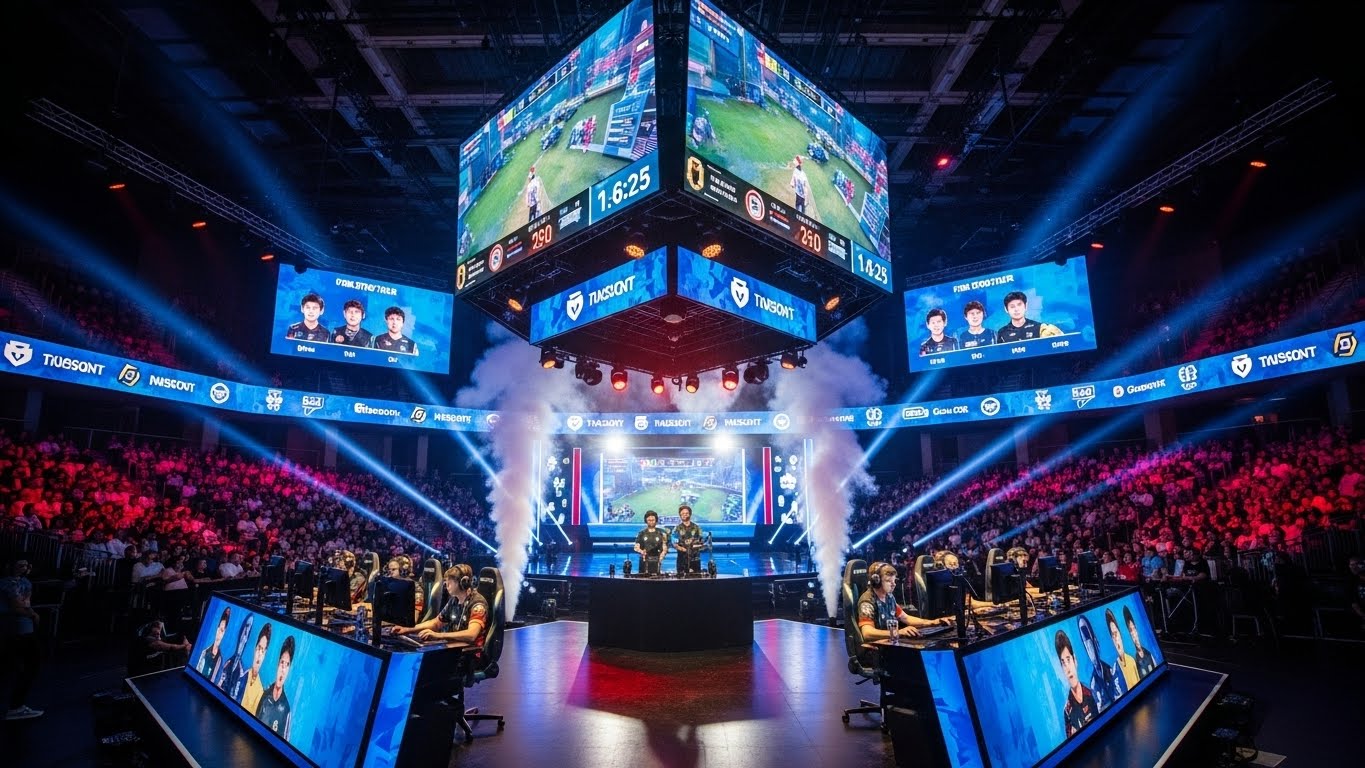





In the past two decades, eSports has evolved from a niche hobby to a massive global phenomenon. What was once considered a pastime for a small group of gamers has transformed into a multi-billion-dollar industry with millions of fans, professional players, and a rapidly expanding ecosystem. Today, eSports is a major part of the entertainment landscape, with competitive gaming attracting large audiences both online and in person, rivaling traditional sports in terms of viewership and revenue.
This blog post will delve into the evolution of eSports, its growth, key milestones, and what the future holds for competitive gaming. Whether you are a newcomer to the world of eSports or a seasoned fan, understanding the industry’s journey, current trends, and future direction is essential for appreciating the true scope and impact of eSports on the global entertainment sector.
What is eSports?
At its core, eSports refers to organized, multiplayer video game competitions, often between professional players, individually or as teams. These competitions are typically held online or in large arenas, and they feature games that emphasize skill, strategy, and teamwork. Some of the most popular eSports games include titles such as League of Legends, Dota 2, Counter-Strike: Global Offensive, Fortnite, and Overwatch.
While casual gaming is often about enjoyment and relaxation, eSports takes gaming to a higher level by turning it into a competitive and professional pursuit. Professional players train rigorously, participate in tournaments, and even earn sponsorships and salaries, similar to athletes in traditional sports. Additionally, eSports events are often streamed live on platforms like Twitch, YouTube, and Facebook Gaming, where millions of viewers watch their favorite players and teams battle for glory and prize money.
The Origins of eSports: From LAN Parties to Global Competitions
The roots of eSports can be traced back to the early days of gaming, where local tournaments, known as LAN (Local Area Network) parties, were held in private homes or small venues. Players would bring their own computers or consoles to compete against each other in games like Warcraft, Quake, and StarCraft. These events were often small, community-driven affairs, but they laid the groundwork for the competitive scene that would eventually explode into the global industry we see today.
In the late 1990s and early 2000s, the rise of online gaming platforms like Battle.net and GameSpy allowed players to compete against others around the world, turning LAN parties into large-scale, international tournaments. One of the first major events that helped solidify eSports as a legitimate form of competition was the Red Annihilation Tournament in 1997, which was organized by John Carmack of id Software and attracted top players from around the world. It was here that the winner, Dennis “Thresh” Fong, earned a Ferrari as the grand prize, helping to elevate eSports to a whole new level of recognition.
By the early 2000s, organizations and sponsors began taking notice of competitive gaming’s potential, and tournaments like World Cyber Games (WCG) and Electronic Sports World Cup (ESWC) were established, further legitimizing the competitive gaming scene. These early events marked the beginning of a new era for eSports—one where players could compete for significant prizes, recognition, and even sponsorship deals.
The Growth of eSports: From Niche to Mainstream
The real breakthrough for eSports came in the 2010s, when streaming platforms, increased internet accessibility, and larger corporate investments helped fuel the industry’s rapid growth. What was once a small, underground community quickly became a mainstream entertainment industry.
The Rise of Streaming Platforms
One of the key factors in eSports’ rise to prominence has been the advent of live streaming. Platforms like Twitch, which launched in 2011, allowed eSports fans to watch live tournaments and gameplay from professional players in real time. The ability to stream high-quality, real-time content made it easier for eSports to gain a global following. Twitch became the go-to platform for gamers and eSports enthusiasts alike, attracting millions of viewers to watch major tournaments, player streams, and casual gameplay.
In addition to Twitch, YouTube Gaming and Facebook Gaming have also emerged as major players in the streaming landscape, helping to bring competitive gaming to new audiences. The accessibility of live-streaming not only allowed fans to watch eSports events but also gave gamers the chance to build their own personal brands and communities.
Major Tournaments and Prize Money
As streaming platforms grew, so did the scale of eSports competitions. The introduction of large-scale tournaments with hefty prize pools drew the attention of professional players and investors. The most notable of these tournaments is the Dota 2 International, which first launched in 2011 and has since become one of the biggest eSports events in the world. With prize pools reaching over $40 million, the International offers an unprecedented level of rewards and prestige to its winners.
Another high-profile eSports tournament is the League of Legends World Championship, held annually by Riot Games. Since its inception in 2011, the tournament has grown to attract millions of viewers and offers millions of dollars in prize money. Counter-Strike: Global Offensive (CS:GO) tournaments, Overwatch League, and Fortnite World Cup are just a few of the other major competitions that contribute to the ever-expanding world of eSports.
The increased prize money, sponsorships, and media coverage have turned eSports into a lucrative industry, attracting talent from around the world. Players can earn significant income not only from tournament winnings but also from sponsorships, streaming, merchandise sales, and advertising deals.
The Role of Sponsorships and Media Rights
Corporate sponsorships have played a crucial role in the growth of eSports. Major brands from industries such as technology, energy drinks, and even automotive companies have partnered with eSports organizations, teams, and players to reach younger, tech-savvy audiences. Companies like Red Bull, Intel, Coca-Cola, and NVIDIA are all active sponsors of eSports events and players, providing the funding necessary to support professional gaming circuits.
In addition to corporate sponsorships, the sale of media rights has become a key revenue stream for eSports organizations. Broadcasting deals with platforms like Twitch, YouTube, and even traditional sports networks have expanded the reach of eSports to a broader audience. In 2020, the global eSports audience surpassed 450 million people, with projections indicating continued growth in the coming years.
The Structure of eSports: Teams, Leagues, and Organizations
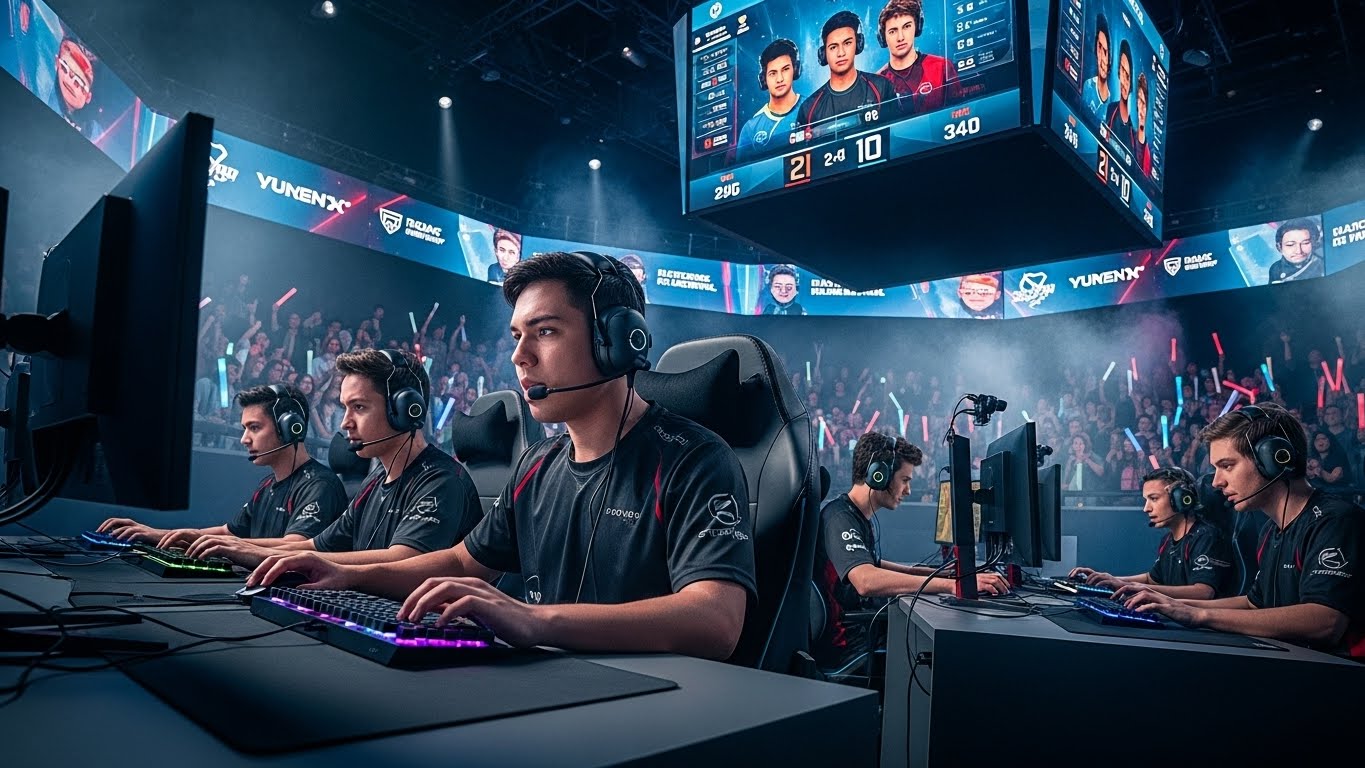
Like traditional sports, eSports has evolved into a complex ecosystem involving professional teams, coaches, analysts, broadcasters, and more. Teams typically consist of five to six players who specialize in different roles and work together to compete in a specific game. Just like in other sports, eSports teams practice regularly, develop strategies, and compete in national and international tournaments.
Professional Teams and Players
Professional eSports players are highly skilled individuals who have dedicated countless hours to mastering their respective games. Some of the most well-known eSports organizations include Cloud9, Team Liquid, Fnatic, and G2 Esports. These organizations employ top-tier players and support staff, helping to foster a competitive environment that is similar to traditional sports teams.
Professional players are often recognized as celebrities in the gaming world. They have large followings on platforms like Twitch, where fans can watch them practice, interact with them, and cheer them on during major tournaments. Some players have even transcended the eSports community, becoming mainstream figures and brand ambassadors for major companies.
Leagues and Tournaments
In addition to individual tournaments, there are also eSports leagues that operate throughout the year, offering a structured format for competitive play. The Overwatch League, for example, is a professional league that features teams from cities around the world. The league operates on a regular season format, followed by playoffs and a championship.
Other popular eSports leagues include the League of Legends Championship Series (LCS), Call of Duty League, and ESL Pro League for CS:GO. These leagues offer players a consistent competitive environment, with matches taking place throughout the year and culminating in championship events with massive prizes.
The Future of eSports: What Lies Ahead?
As eSports continues to grow, the future looks bright, with more innovations and opportunities on the horizon.
Mainstream Acceptance
One of the biggest questions for eSports is whether it will continue to gain acceptance from traditional sports audiences. While eSports has already achieved mainstream popularity in many parts of the world, it is still working to gain full recognition as a legitimate sport. Some professional sports leagues, such as the NBA and NFL, have already started investing in eSports, which could lead to greater cross-pollination between traditional and digital sports.
Virtual Reality and Augmented Reality
In the coming years, virtual reality (VR) and augmented reality (AR) are expected to play a major role in shaping the future of eSports. As VR technology becomes more accessible, players could compete in fully immersive environments, enhancing the spectator experience as well. Similarly, AR could be used to provide real-time stats, player information, and game data during live tournaments, adding a new layer of interaction for viewers.
Increased Global Expansion
The global reach of eSports is another area that will continue to expand. While eSports is already massive in North America, Europe, and East Asia, emerging markets like Latin America, Southeast Asia, and the Middle East are beginning to embrace competitive gaming. With increased internet access and more local tournaments, eSports could become even more popular in these regions in the coming years.