






Introduction: The Rise of a Digital Sport
In the last two decades, the world of competitive gaming, commonly known as esports, has transformed from a niche hobby into a global cultural and economic phenomenon. What started as casual matches among friends has grown into an industry that fills arenas, draws millions of online viewers, and produces professional athletes with worldwide recognition.
Esports is more than just playing video games; it is a test of skill, strategy, teamwork, and mental endurance. The digital age has created a unique platform where players can achieve fame, fortune, and influence, redefining the idea of what it means to be an athlete. This blog will explore the evolution of esports, its global impact, the economics behind it, challenges it faces, and the promising future that lies ahead.
The Origins of Esports
Competitive gaming traces its origins to the late 1990s and early 2000s. Games like StarCraft, Warcraft III, and Counter-Strike became popular as players formed teams and competed in local and regional tournaments. These early competitions, often held in small venues or internet cafes, laid the groundwork for organized esports.
The widespread adoption of the internet played a critical role in esports’ growth. Online connectivity allowed players from across the globe to compete against each other in real time. This expansion fueled the formation of dedicated communities and fan bases, and game developers began to support competitive scenes through structured tournaments and balanced gameplay updates.
Professionalization of Competitive Gaming
One of the most significant shifts in esports has been its professionalization. Modern esports athletes are no longer casual gamers. They dedicate hours each day to rigorous training that focuses on reaction time, strategy, teamwork, and communication. Many top teams employ coaches, analysts, nutritionists, and psychologists to ensure peak performance.
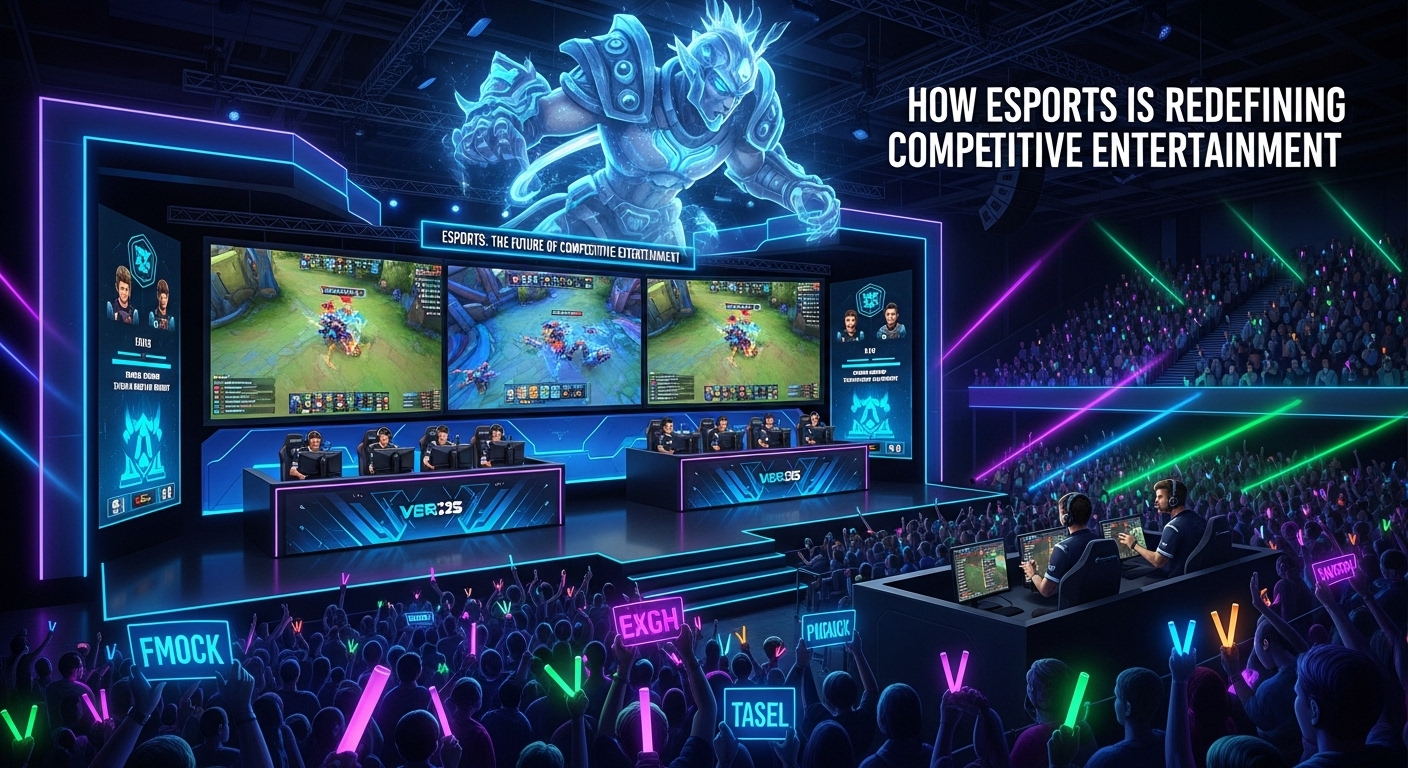
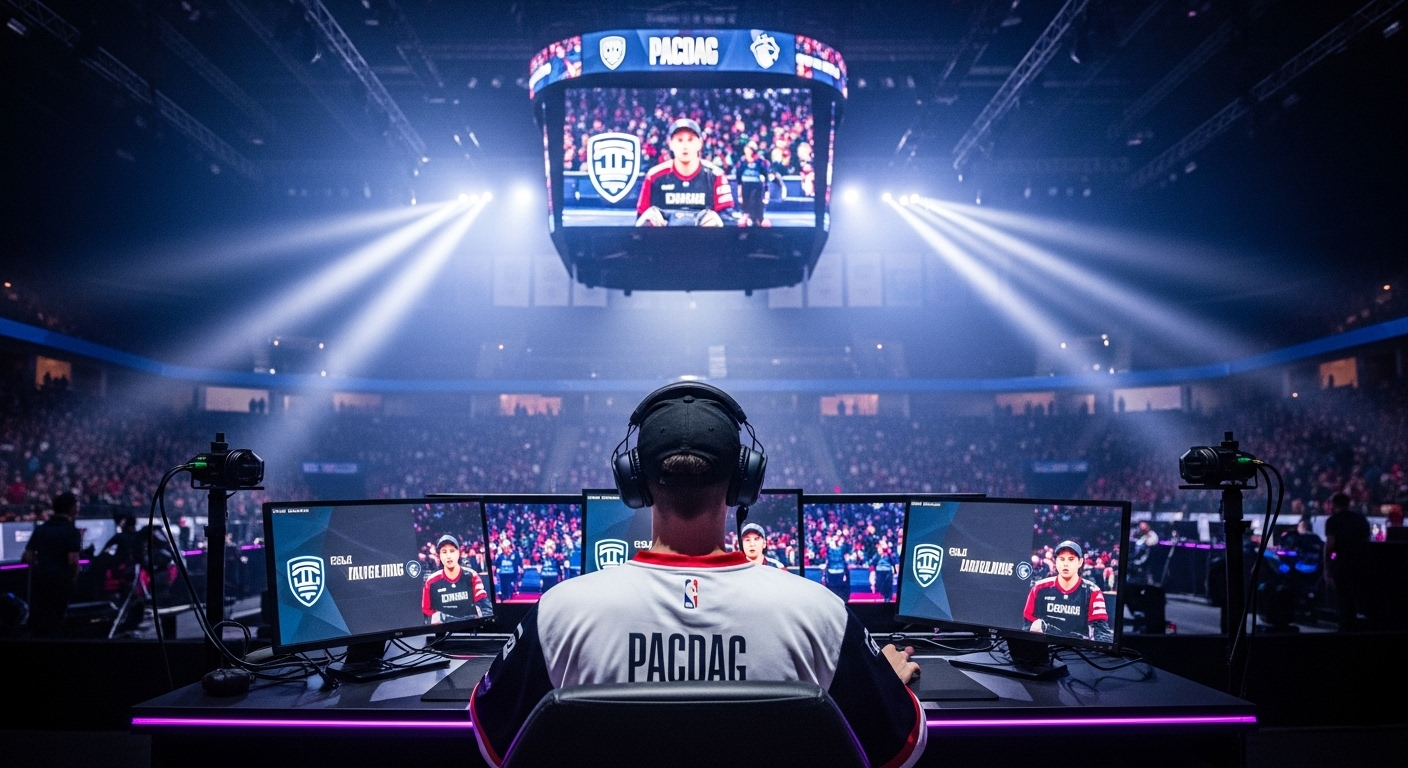
Major tournaments are now held in arenas filled with cheering fans, advanced lighting, live commentary, and elaborate production setups. Professional players can earn substantial salaries and sponsorships, with some becoming household names in the gaming world. Franchise-based leagues, structured tournaments, and corporate sponsorships have made esports a viable long-term career path.
Iconic Esports Games
Certain games have defined the esports industry and shaped the competitive landscape:
League of Legends introduced a highly strategic, team-based approach to multiplayer online battle arenas, culminating in global championships watched by millions.
Dota 2 is known for its complexity and massive prize pools, especially through its flagship tournament, The International, which engages the global player community in funding and support.
Counter-Strike: Global Offensive remains a staple of first-person shooters, requiring precision, teamwork, and tactical intelligence. Its competitive scene has lasted for over a decade.
Fortnite popularized battle royale esports and introduced creative building mechanics that challenged players’ reflexes and strategy.
Valorant combines tactical shooting with hero-based abilities, requiring players to balance precision with team coordination and in-game strategy.
These games have created a global ecosystem, fostering communities, competitions, and professional opportunities for players at all levels.
Global Impact of Esports
Esports has become a worldwide cultural phenomenon, transcending borders, languages, and social backgrounds. Unlike traditional sports, competitive gaming requires only a device and internet connection, making it accessible to millions. Countries such as South Korea, China, and the United States have become major players in esports, producing teams and athletes who dominate international competitions.
South Korea pioneered esports with the rise of StarCraft, turning professional gamers into national celebrities. China dominates in games like Dota 2 and Honor of Kings, leveraging its massive player base and governmental support. The United States and Europe excel in shooters and MOBAs, fostering high-level competition and innovative strategies.
Esports has even reached educational institutions, with universities offering scholarships for talented players and creating programs to train competitive athletes. This legitimization has helped redefine gaming as a recognized sport and career path.
Streaming and the Digital Audience
Streaming platforms have played a crucial role in esports’ growth. Platforms like Twitch and YouTube Gaming allow fans to watch live matches, interact with players, and engage in real-time discussions. Unlike traditional sports, esports thrives on interactivity, where audiences are active participants rather than passive viewers.
Social media amplifies this effect, enabling highlights, viral clips, and memorable moments to spread globally within minutes. Teams and players use these platforms to build personal brands, connect with fans, and promote events, transforming esports into an interactive entertainment experience.
The Economics of Esports
Esports has grown into a multibillion-dollar industry. Revenue streams include sponsorships, advertising, media rights, merchandise, and ticket sales. Top teams and players can earn significant salaries, with additional income from streaming and endorsements.
The industry also generates employment opportunities beyond the players themselves. Casters, coaches, analysts, event managers, marketers, and content creators are all essential to the ecosystem. The demand for high-performance gaming hardware, software, and production equipment continues to fuel innovation and investment in the gaming and technology sectors.
Challenges Facing Esports
Despite its growth, esports faces several challenges. Player burnout is a common issue due to long training hours and intense competition. Many professional gamers peak at a young age, leading to short career spans and post-competitive challenges.
Integrity issues, including cheating and match-fixing, remain concerns. The lack of a centralized governing body complicates the standardization of rules, player contracts, and welfare protections.
Perception also poses a challenge. While esports has gained recognition, some still view gaming as entertainment rather than a legitimate sport. Changing this perception requires continued education, mainstream exposure, and institutional support.
The Future of Esports
The future of esports is promising. Emerging technologies such as virtual reality and augmented reality may create immersive competitive experiences that combine physical skill with digital strategy. Mobile esports are rapidly expanding, particularly in regions where access to PCs or consoles is limited, making competitive gaming accessible to a broader audience.
Esports is increasingly included in mainstream sporting events and international competitions, further legitimizing its role as a professional pursuit. Its influence may extend beyond entertainment into education, health, and digital innovation, creating diverse opportunities for players, developers, and entrepreneurs.
Conclusion: Esports as a Modern Phenomenon
Esports is more than a trend—it is a modern revolution in competition and entertainment. It combines skill, strategy, and community to create experiences that resonate worldwide. For players, it offers a platform to achieve fame and professional success. For fans, it provides excitement, engagement, and a sense of belonging.
As technology continues to evolve and esports becomes increasingly integrated into mainstream culture, competitive gaming is redefining the boundaries of sport, entertainment, and global culture. The digital arena is here to stay, inspiring passion, dedication, and innovation for generations to come.